Cargando...
7.4·2024·107 min·English·Dirigida por Greg Kwedar
Confía en el método
Drama
Sinopsis
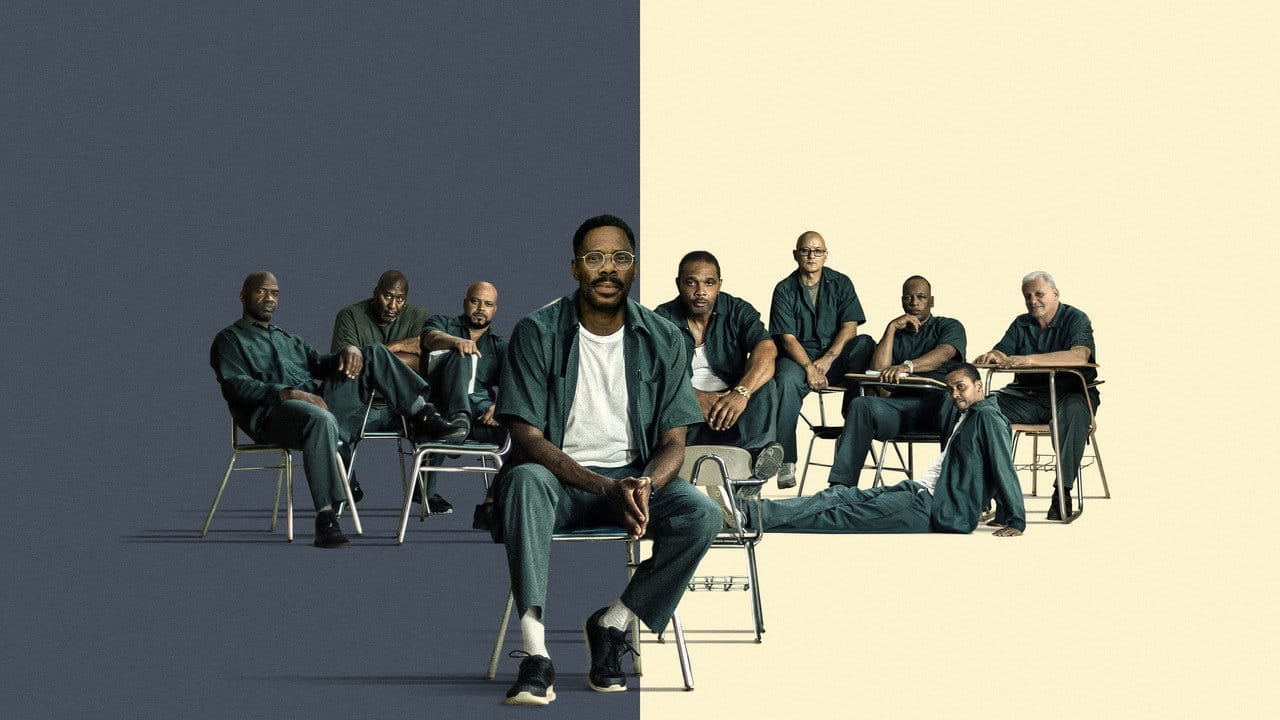
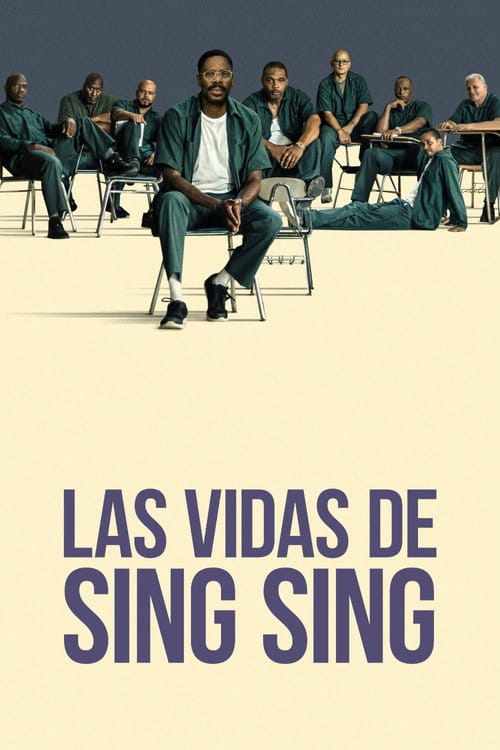
Un pequeño grupo de personas encarceladas en el Centro Correccional Sing Sing, una de las prisiones de máxima seguridad más famosas del mundo, intenta montar su propia producción original como parte de un taller de teatro. A través de las artes escénicas, estos hombres consiguen ver el mundo como un lugar por el que luchar.
Reparto principal
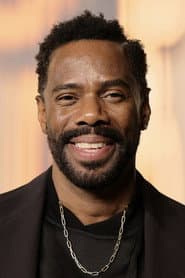
Colman Domingo
John 'Divine G' Whitfield

Clarence Maclin
Clarence 'Divine Eye' Maclin
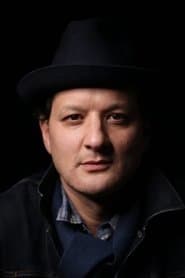
Sean San Jose
Mike Mike

Paul Raci
Brent Buell
David "Dap" Giraudy
David 'Dap' Giraudy
Patrick "Preme" Griffin
Patrick 'Preme' Griffin
Mosi Eagle
Mosi Eagle
James "Big E" Williams
James 'Big E' Williams

Sean Dino Johnson
Sean 'Dino' Johnson
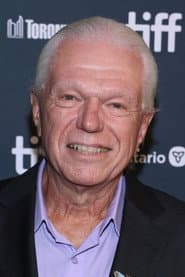
Brent Buell
Más como esto







Communauté
7.9
Note Trakt
2.0K votes
10
344
9
311
8
608
7
406
6
213
5
50
4
38
3
6
2
2
1
14
6.4KSpectateurs
24.5KCollectés
8.1KListes
Avis de la communauté (12)
J
JimDarko★9/10Dec 23, 2024
A real triumph on the power of the arts and harnessing your expression and creativity. All the cast is really great and the end credit reveals hits perfectly.
♥10
R
RyeZoo★9/10Jan 2, 2025
Wow, incredible third act that raised a good movie into a great one. Powerful performances and a story that really makes you feel something. Glad I finally watched.
♥9
S
sixhoursagoVIP★8/10Jan 25, 2025
Theatre kids, this is our 'Shawshank'.
♥7
H
heyflpCritique★10/10Jan 24, 2025
“Sing Sing” is one of those movies that sneaks up on you quietly, without much fuss, but leaves a deep impression. Director Greg Kwedar, along with screenwriter Clint Bentley, builds a narrative that could have easily fallen into the usual prison redemption clichés but does the exact opposite—it creates an authentic, sensitive, and unpretentious portrayal of art as a tool for humanity. Steering clear of tired formulas, the film takes on a documentary-like approach, letting scenes breathe and unfold with a rare naturalness in conventional cinema. The result is an engaging and nuanced drama that stands out for its honest perspective and lack of forced sentimentality. Colman Domingo delivers a subtle, restrained performance as Divine G, a man who finds refuge in theater within the brutal confines of prison. Domingo carries the film with a magnetic presence, without ever overplaying it. His character isn’t a classic hero or a martyr, but just a man trying to find himself within the cold, oppressive prison walls. The camera, often in close-up, captures every subtle expression, conveying a whirlwind of emotions without the need for explanatory dialogue. His relationship with theater feels almost spiritual, and the film conveys this devotion in a genuine way, without idealizing it. The prison environment is portrayed in a raw, unfiltered way. Kwedar avoids glamorizing violence or overdramatizing suffering, opting instead for a more observational approach. The day-to-day scenes, from humiliating strip searches to the constant tension between inmates and guards, are shown directly—without a manipulative soundtrack or editing tricks to amplify the impact. The sense of claustrophobia and powerlessness permeates every frame, making the contrast with the almost liberating atmosphere of the theater sessions even more striking. The dynamic within the theater group is the beating heart of the film. The rehearsals, filled with genuine interactions and moments of improvised humor, show how art becomes a safe space for these men. There’s something deeply human about watching them discuss acting, timing, and meaning, as if, for a few hours, they could stop being just numbers in the prison system. Paul Raci, in a quiet but essential role, plays the group’s mentor with a sensitivity that never veers into condescension. He understands that theater isn’t just entertainment here—it’s emotional survival. Another layer of depth comes with the arrival of Divine Eye, played by Clarence Maclin, who, like many in the cast, portrays a fictionalized version of himself. The initial tension between him and Divine G hints at a possible clash of egos, but the script surprises by not taking the obvious route. Their relationship grows organically, with layers of rivalry and mutual respect, culminating in a partnership that resonates as a metaphor for reinvention and companionship. Maclin brings an unpredictable energy to the screen, contrasting with Domingo’s introspection, and together they create a rich and authentic dynamic. The film’s aesthetics add to this sense of authenticity. The cinematography leans into a faded color palette and natural lighting, evoking a documentary feel that enhances the realism. The camera stays close but never intrusive, capturing small gestures and glances that say more than any dialogue ever could. The pacing is patient but never sluggish, allowing each scene to hit with the right emotional weight. The soundtrack is used sparingly, appearing only in key moments to underline the characters’ inner worlds. Silence, on the other hand, is used masterfully, making introspective moments even more powerful. There’s a conscious effort not to romanticize the setting or turn art into some miraculous solution for the prisoners’ struggles. Theater here is shown as an escape, yes, but also as a mirror forcing them to face their own truths. Overall, “Sing Sing” doesn’t try to offer easy answers or predictable redemption arcs. It celebrates small victories and genuine moments of connection, showing that even in such a dehumanizing environment, there’s still room for expression and authenticity. It’s a film that values the process more than the outcome, and that’s exactly what makes it special. Greg Kwedar delivers a subtle yet powerful work that doesn’t need to shout to be heard. He trusts the strength of the story and the talent of his cast to build something that resonates in an intimate and lasting way. “Sing Sing” is, above all, a reminder that art might not save lives, but it can definitely give them meaning.
♥7
G
guzzlima★4/10Feb 15, 2025
The premise is interesting, but the execution disappoints. The focus on rehearsals and the interaction between the characters starts off well, but soon becomes repetitive, failing to explore other aspects of the relationship between the performing arts and the oppressive prison environment. Despite the good performances, the script is weak, with some superficial dialogues and exaggerated dramatic moments that detract from the fluidity and reflective tone. The prison system, which could be an impactful critical element, is explored in a shallow way, with no relevant interactions beyond the protagonists. The life stories presented also lack depth. In the end, the movie had potential, but lost its way through a lack of boldness and solidity.
♥3
Reseñas