Laden...
8.0·2024·94 min·English·Regie Adam Elliot
AnimationKomödieDrama
Handlung
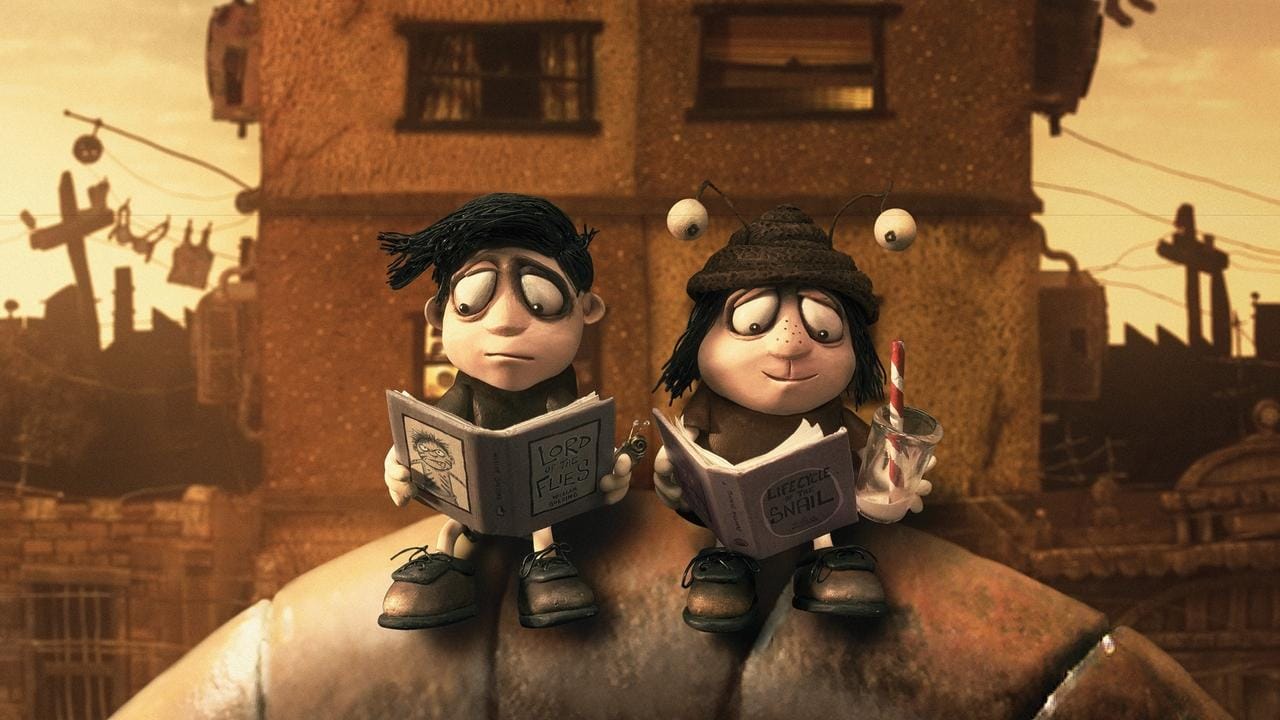
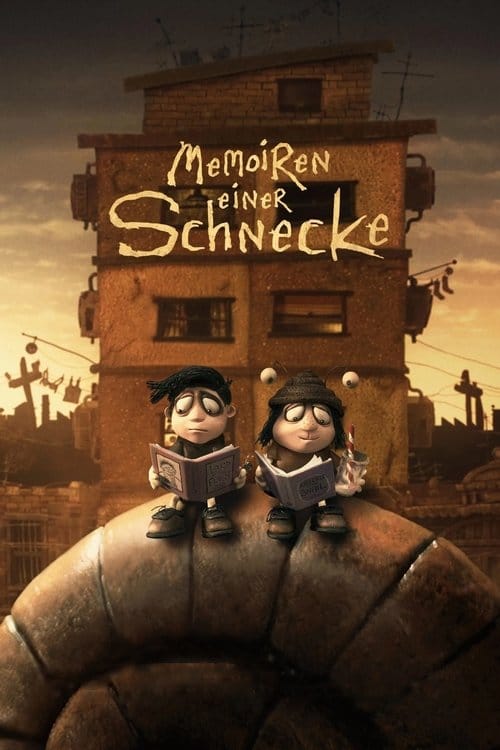
Die enthusiastische Schneckensammlerin und Liebesromanleserin Grace Pudel erzählt rückblickend die Geschichte eines Lebens, das es nicht immer gut mit ihr gemeint hat. Nach dem Tod ihrer Mutter wachsen Grace und ihr Zwillingsbruder Gilbert bei ihrem querschnittsgelähmten, alkoholkranken Vater auf. Als auch dieser überraschend verstirbt, werden die Geschwister voneinander getrennt und in verschiedene Pflegefamilien gesteckt. Während Gilbert am anderen Ende von Australien den Grausamkeiten einer fanatisch-religiösen Familie ausgesetzt ist, zieht sich Grace immer mehr in ihr Inneres zurück – genau wie ihre geliebten Schnecken. Erst durch die Freundschaft mit Pinky, einer exzentrischen älteren Dame voller Lebensfreude, schöpft sie wieder Hoffnung und erkennt, wie schön das Leben trotz all seiner Härte sein kann.
Hauptdarsteller

Sarah Snook
Grace (voice)

Kodi Smit-McPhee
Gilbert (voice)

Jacki Weaver
Pinky (voice)

Magda Szubanski
Ruth Appleby (voice)
Dominique Pinon
Percy Pudel (voice)

Tony Armstrong
Ken (voice)

Paul Capsis
Ian / Narelle (voice)

Eric Bana
James the Magistrate (voice)
Bernie Clifford
Owen Appleby (voice)

Davey Thompson
Ben Appleby (voice)
Mehr wie das

Starker Verkehr
1973·6.5

Sieben verdammt lange Tage
2014·6.6
Jesus Henry Christ
2012·6.2
Coonskin
1975·6.1

On the Count of Three
2022·6.4

South Park the Streaming Wars
2022·7.2

Darjeeling Limited
2007·7.1
Cryptozoo
2021·5.8

South Park the Streaming Wars Part 2
2022·7.0

Ich und Du und Alle, die wir kennen
2005·7.0
Fixed
2025·6.2
Grandma
2015·6.4
Communauté
8.1
Note Trakt
2.2K votes
10
561
9
301
8
678
7
379
6
216
5
55
4
32
3
6
2
9
1
10
8.1KSpectateurs
23.8KCollectés
5.6KListes
Avis de la communauté (11)
E
eliaquimtxVIP★9/10Dec 9, 2024
So sad, tragic and violent and, in a weird way, so full of hapiness. > "Life can only be understood backwards, but we have to live it forwards."
♥12
R
ragreynoldsVIP★7/10Nov 25, 2024
I just spent 90 minutes fighting the urge to throw salt over my TV
♥6
S
SkinnyFilmBuffVIP★7/10Dec 8, 2024
You know that writing is strong when it can be delivered almost entirely through narration and not feel like an expository chore. It helps that the story is so weirdly creative that you never know what to expect. There's some hilarious ideas and visuals, along with some incredibly poignant ones. I will say that I was expecting something more out of the final note from Pinky. It wasn't bad, but given how unique the rest of the movie felt, this final takeaway felt familiar in comparison. Still, a worthwhile watch that makes me excited to check out Adam Elliot's previous feature, _Mary and Max_, which somehow slipped under my radar.
♥4
H
heyflpCritique★10/10Jan 24, 2025
“Memoir of a Snail” is that rare kind of animation that goes beyond the boundaries of genre and format, delivering a visually stunning and emotionally overwhelming experience. Director Adam Elliot, known for his ability to tell deeply human stories through stop-motion, returns with a film that blends melancholy, humor, and tenderness in a surprisingly organic way. The story, centered on the life of Grace, a woman carrying the weight of loss and disappointment, unfolds as a touching reflection on the “shells” we build around ourselves to cope with adversity—and how, more often than not, they end up trapping us. Sarah Snook lends her voice to the protagonist with impressive delicacy, bringing out all of Grace’s vulnerability and resilience throughout her journey. The narrative, structured like an intimate confession to her beloved pet snail, Sylvia, allows the audience to dive into memories of a life marked by trauma from an early age. The loss of her mother at birth, the premature death of her paraplegic father, and the separation from her twin brother Gilbert (Mason Litsos/Kodi Smit-McPhee) create a painful backdrop, but the film never falls into melodrama. Elliot’s script balances tragedy with dry humor and sharp observations about life. Visually, “Memoir of a Snail” is a spectacle in itself. The handcrafted stop-motion aesthetic, with meticulously built sets and characters with exaggerated features, creates a universe reminiscent of the works of Jean-Pierre Jeunet and Marc Caro, evoking that bittersweet atmosphere of films like “Amélie” and “Delicatessen.” Every frame is packed with details—from the letters exchanged between the siblings to the tiny objects that fill Grace’s world—giving it an almost tangible sense of intimacy. But despite the stylized visuals, the story never loses touch with the emotional reality of its characters. The soundtrack is another highlight. The music blends seamlessly with the narrative, working almost as an extension of Grace’s emotions. It carries both the tender and the darker moments without ever feeling manipulative. The compositions create an ambiance that wraps around the audience, reinforcing the idea that, despite the hardships, there’s always something beautiful to be found in life. What makes the film truly stand out is its unconventional approach to the themes it tackles. Elliot doesn’t settle for a simple narrative of overcoming obstacles; instead, he pieces together a mosaic of experiences that reflect the complexity of existence. Family relationships, isolation, the search for belonging, and the need to let go of the past are explored with brutal honesty but also with a sensitivity that keeps the film from feeling too heavy. There’s an impressive fluidity in the way the script shifts between comedy and tragedy, reminding us that life is made up of these contrasts. Another standout element is Jacki Weaver’s performance as Pinky, Grace’s best friend and a vibrant force that lights up the protagonist’s darkest moments. Pinky is the kind of character who reminds us to embrace every moment, and her friendship with Grace serves as an emotional anchor throughout the story. The contrast between Pinky’s optimistic outlook and Grace’s introspective tendencies creates a rich dynamic, full of heartfelt moments and small lessons about the value of friendship. The film is also packed with cultural references, from mentions of Sylvia Plath to Cahiers du Cinéma, adding layers of meaning to the narrative. Elliot shows great respect for the audience’s intelligence, offering dialogues and situations that spark deep reflections without ever feeling pretentious. And perhaps the film’s greatest strength lies right there—in its ability to tell a deeply personal story while remaining universally relatable. “Memoir of a Snail” isn’t just about Grace; it’s about all of us. We all carry trauma, regrets, and insecurities, and her journey serves as a gentle—yet sometimes painful—reminder that we can’t go back. Like snails, all we can do is keep moving forward. The recurring visual metaphor of the shell is one of the film’s most powerful elements. Grace gradually learns that she doesn’t have to carry everything on her own and that there’s beauty even in the cracks we accumulate along the way. With a sharp script, enchanting visuals, and nuanced vocal performances, “Memoir of a Snail” is a film that sticks with you. Adam Elliot delivers a delicate and profound piece, proving once again that animation, when treated with sincerity and authenticity, can explore life’s complexities in ways that many live-action films can’t. It’s a bittersweet experience—one that makes you laugh, cry, and, above all, feel.
♥2
B
Bradym03★9/10Mar 10, 2025
One of the most human films that came out in 2024, and the film itself is stop motion animation. Brilliantly written and devastating throughout. But despite the bleakness, it isn't without hope. Mary and Max is one of my favourite films, and since this is from the same director (Adam Elliot) I knew this was going to be a special movie, and I was not disappointed.
♥1
Kritiken