Laden...
6.9·2024·150 min·ta·Regie Vetrimaaran
ActionThrillerDrama
Handlung
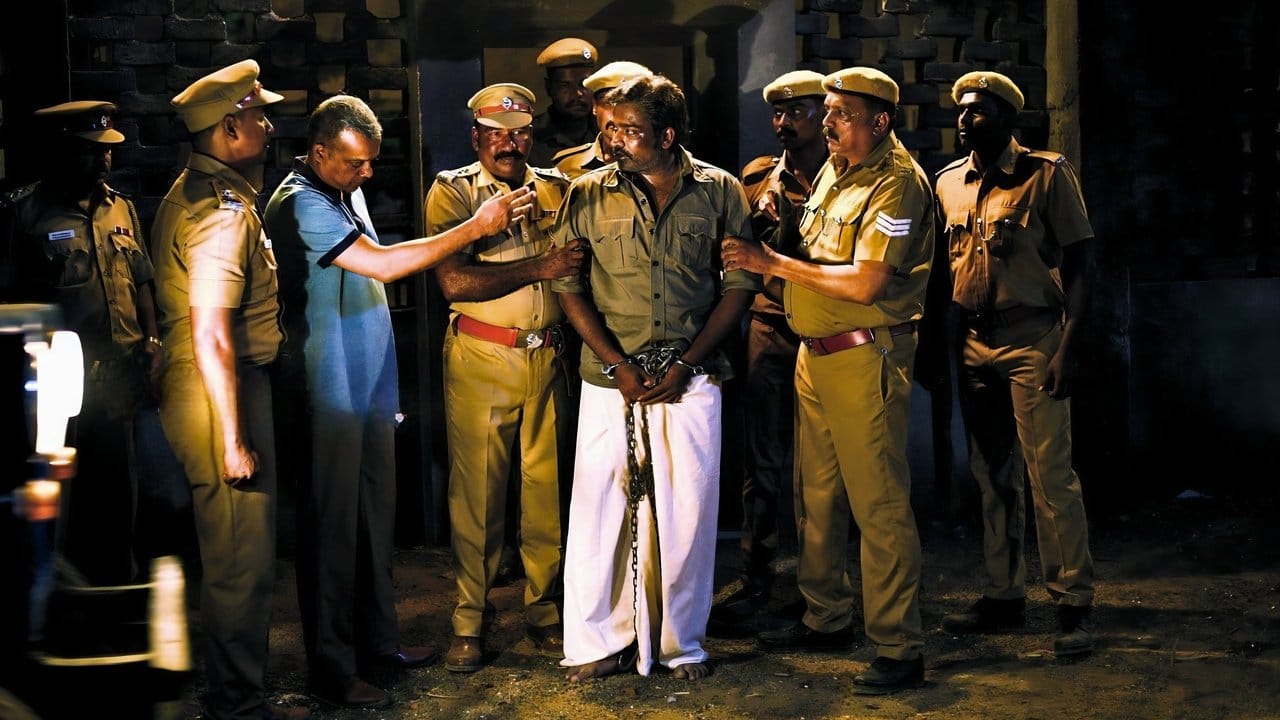
Die Konfrontationen zwischen Kumaresan, einem neu rekrutierten Polizisten, der sich mit den moralischen Zweideutigkeiten seiner Rolle auseinandersetzt und Vaathiyar, einem revolutionären Separatistenführer mit einem starken ideologischen Antrieb, scheinen dramatisch zu eskalieren …
Hauptdarsteller


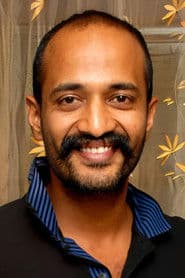

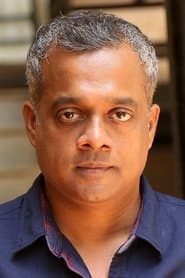


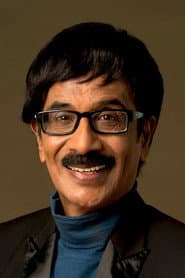
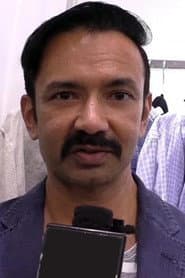
Viduthalai Collection
Mehr wie das
God Is a Bullet
2023·6.1
Rampage: Capital Punishment
2014·6.0
Hunting Season - Blutige Fährte
2025·7.4

Das Todesspiel
1988·6.3
White Elephant - Der Mafia-Kodex
2022·5.8
Murphys Gesetz
1986·6.1
Mexicali
2026·7.8

Footsoldier
2007·6.3
Death Wish 2 - Der Mann ohne Gnade
1982·6.2
Night Train
2023·5.9
Karate Tiger 3 - Blutsbrüder
1990·6.7
Death Race: Inferno
2013·5.9
Communauté
7.1
Note Trakt
157 votes
10
18
9
7
8
37
7
39
6
38
5
5
4
8
3
1
2
3
1
1
645Spectateurs
402Collectés
275Listes
Avis de la communauté (2)
P
przvlCritique★9/10Dec 20, 2024
Leaders without any ideology will only produce fans. That will not pave way to progress. Vetrimaaran's Viduthalai Part II is raw, heavy on dailogues, brutal, and unflinchingly real, encapsulating all the shades of a true revolution. From beginning to end, it questions the paths one chooses, whether they are right, and whether a shift in perspective is necessary. The film challenges the notion that being good alone can't lead to good outcomes, emphasizing that true liberation requires understanding politics, the system, and society while holding on to goodness. The narrative underscores a harsh reality: those who are supposed to "keep guard" rarely stand with the common man but almost always align with the oppressors. The screenplay masterfully portrays this through Suri's journey, particularly his interactions with Perumal. These moments force him to confront hard truths, leading him to organize and agitate—a transformation beautifully culminated in the final act. The ending is a poignant reminder of how love can play a significant role in reforming not just oneself but also others. The film breaks stereotypes surrounding personal relationships, showing that love and revolution can coexist and even fuel each other. The ending lingers long after the credits roll. It highlights the grim reality that individuals challenging the system are often silenced before they can even stand trial. The government fears their ideologies taking root among the masses, prompting questions and dissent. This brutal suppression reflects the belief that while a liberator can be killed, liberation cannot. The film cleverly asserts that once an ideology is established, its followers become reformers and leaders in their own right, shattering the myth of a single, indispensable leader. Another striking aspect of the film is its critique of censorship. The censor board’s decision to mute words like "State/Government" (Arasu/Arasangam) and "National Liberation" (Desiya Ina Viduthalai), and altering phrases like “the weapon of the people should be created by them” to “that weapon can even be their vote,” reflects a troubling level of cowardice. This suppression infringes on the filmmaker’s fundamental right to free expression, especially when the same board allows blatantly divisive and hateful narratives in other films. Final thoughts, Viduthalai Part II is not just a film—it’s a call to understand and engage with politics, society, and the ongoing struggles for justice. Vetrimaaran’s craft and ideology once again prove to be uncompromising and profoundly impactful.
♥3
C
Chandru JCritique★8/10Mar 10, 2025
A Thought-Provoking Sequel That Deserved Better Execution This movie is a great experience, a serious take on perspectives on politics, government officials and police officers. The story is good, hard-hitting, thought-provoking, and grounded in reality, etc. The sequel is a continuous story whereas the prequel is left. The opening of the movie was intense. The intercuts between the flashback and the present time of the movie were great at certain points but it was also a drawback at certain points. The dialogue was sharp and direct throughout the film. The interaction between Vaathiyar Perumal and the police officers reminds us that there are different perspectives on a single incident, each will interpret it for their own benefit. Ideologies were spoken strongly, as Vaathiyaar says, "a strong ideology that will bring its own successor for its future". Different perspectives conceived among police officers of the same troops as well made. Towards the climax, the story, the scenes and the characters' actions were gripping and hard-hitting. The decisions of Kumaresan and his silence to his senior officers were impactful. Technically, this movie is underwhelming; the cinematography is off in some sequences, the editing is bad too, and the dubbing is off-sync. It is usual in Vetri's films, but it's too off in this one as the voice-over is going on; it overlaps the dialogues of the character in the scene. This shows how they rushed the movie to the last minute in post-production to its release. Because Viduthalai I was technically more sound than this sequel. Vetri definitely needs to organise his pre-production so that he can make a good output on the shooting process and post-production. But despite its flaws, the story and the ideas the movie speaks about make this film important in Kollywood and contemporary politics. The actors did a great job by being part of this film. Especially Vijay Sethupathi, Chetan, and Soori. The music and songs were good, but the music was off at the action scene. In conclusion, I like this movie. I suggest everyone watch it at least once. I am a big fan of director and writer Vetrimaaran. I strongly know his story selection will be as great as ever, but I hope his future works will be more technically sound than this movie.
Kritiken