Chargement...
7.9·2001·134 min·English·Réalisé par Ron Howard
Sa façon de voir le monde était unique.
DrameRomance
Synopsis
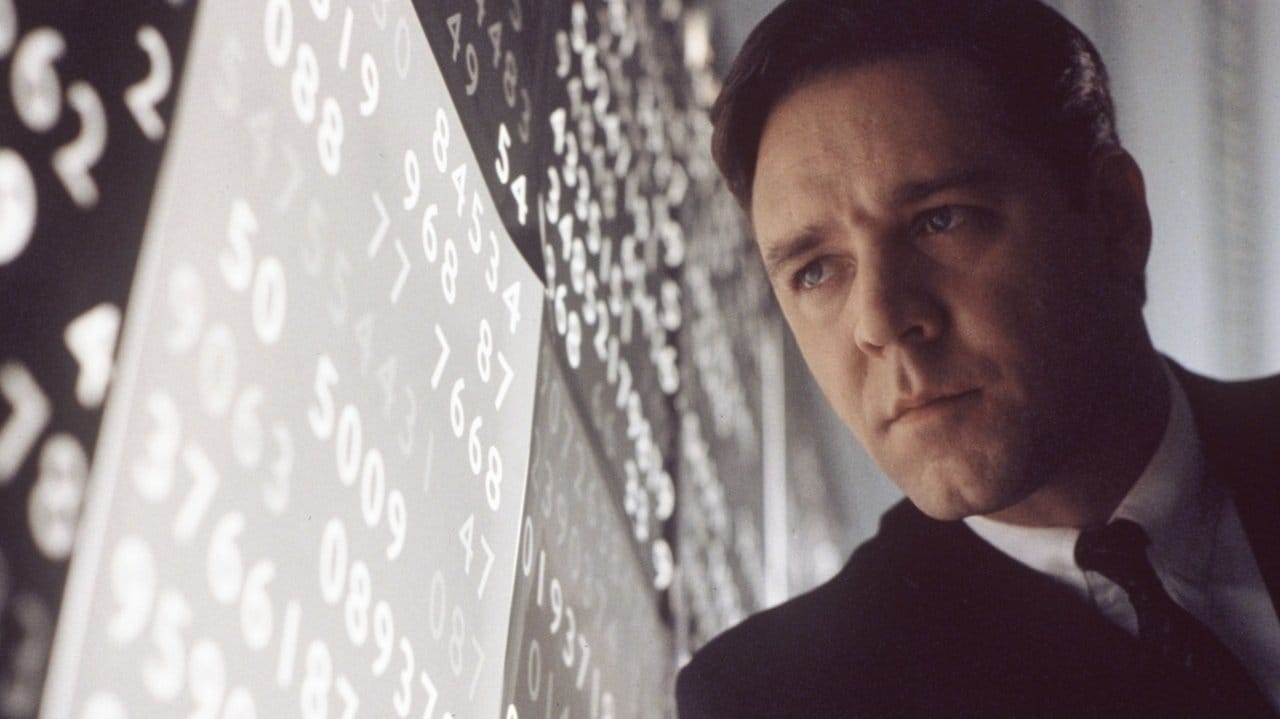
En 1947, étudiant les mathématiques à l'université de Princeton, John Forbes Nash Jr., un brillant élève, élabore sa théorie économique des jeux. Pour lui, les fluctuations des marchés financiers peuvent être calculées très précisément. Au début des années cinquante, ses travaux et son enseignement au Massachusetts Institute of Technology ne passent pas inaperçus et un représentant du Département de la Défense, William Parcher, se présente à lui pour lui proposer d'aider secrètement les États‐Unis. La mission de John consiste à décrypter dans la presse les messages secrets d’espions russes, censés préparer un attentat nucléaire sur le territoire américain. Celui‐ci y consacre rapidement tout son temps, et ce au détriment de sa vie de couple avec Alicia. Ce job n'est toutefois pas sans risques : des agents ennemis surveillent ses moindres faits et gestes. Mais personne ne le croit.
Acteurs principaux

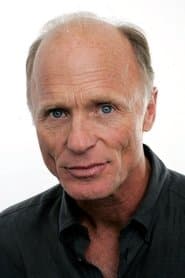

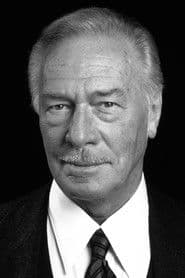

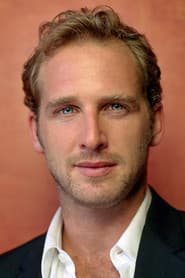

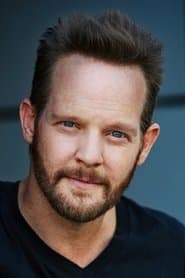
Plus comme ça

Communauté
8.2
Note Trakt
19.0K votes
10
4.1K
9
3.3K
8
6.6K
7
3.2K
6
1.2K
5
260
4
168
3
48
2
42
1
69
71.3KSpectateurs
213.2KCollectés
44.6KListes
Avis de la communauté (10)
T
Tequila Brie★10/10Aug 3, 2015
♥8
I
ismamzaman★8/10Jun 16, 2022
An emotional roller-coaster of a film. Incredibly captivating plot that subverts expectations and delivers an inspirational story, educating on the effects of mental illness and the importance of resilience in the face of adversity.
♥4
N
nmahoney416★8/10Dec 31, 2018
Russell Crowe is very good. The movie does a good job of making us feel what he is going through.
♥4
D
decatur555VIPCritique★7/10Dec 25, 2025
It’s one of those films that’s easy to watch and easy to remember, but that leaves a strange feeling once it’s over. It works, it’s well told, it’s professionally made and backed by strong performances, yet it never fully gets under your skin. You’re interested in what it’s saying, you follow the character’s journey closely, but there’s an emotional distance that never quite disappears. Russell Crowe is the film’s main pillar. His performance is solid, detailed and carefully restrained, built on small gestures rather than big dramatic moments. He makes the character believable even when the script simplifies complex situations. It’s easy to see why his work was so widely praised: he carries the film from start to finish and keeps it from drifting into pure artifice. Ron Howard directs with a classical sense of control and undeniable narrative clarity. Everything is well explained, neatly ordered, and designed so the viewer never feels lost. That works in the film’s favor as entertainment, but it also strips away some mystery and risk. At times, it feels too calculated, too polished to truly unsettle. The most interesting moments come when the story ventures into the protagonist’s mind and allows itself to be more ambiguous and unsettling. That’s when the film breathes more freely and becomes more suggestive and less predictable. But whenever it seems ready to go deeper, it retreats back into a very familiar, almost textbook structure. In the end, it’s an honest and effective film, easy to watch and true to what it sets out to do. But it also prioritizes accessibility and controlled emotional impact over real complexity. Everything fits, everything flows, but it rarely surprises. A well-made, well-acted story that remains slightly cold at its core. It holds your attention more through craftsmanship than through emotion, and for such an extreme life story, that leaves a faint sense of dissatisfaction.
♥3
J
jba9VIP★10/10Apr 23, 2021
♥3
Avis