Chargement...
6.3·2007·88 min·English·Réalisé par Kenneth Branagh
DrameMystèreThriller
Synopsis
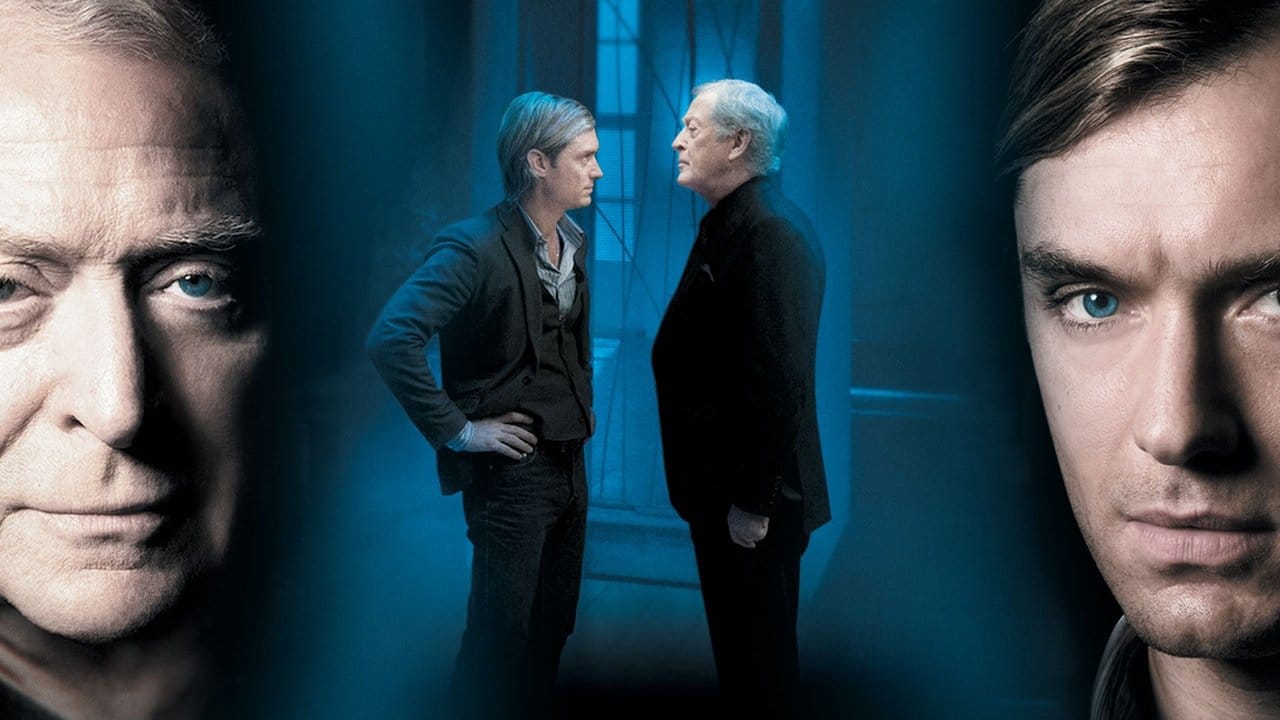
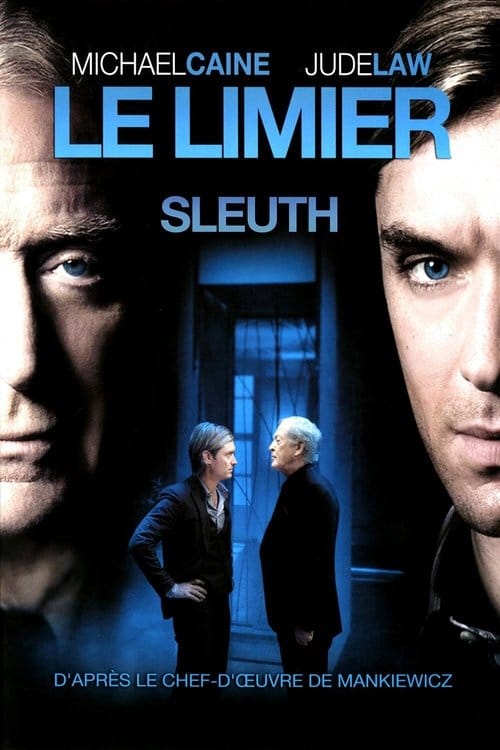
Milo Tindle, un jeune comédien au chômage, se rend chez Andrew Wyke, millionnaire et auteur de romans policiers. Son objectif : convaincre le romancier de divorcer de son épouse avec qui il vit désormais. Contre toute attente, Wyke accepte. À une condition cependant : Tindle devra l'aider à simuler le cambriolage de sa propriété, afin de toucher l'argent de l'assurance... C'est le début d'un duel implacable entre deux intelligences rivales, entre deux hommes qui sont peut-être moins opposés qu'il n'y paraît...
Acteurs principaux



Plus comme ça


Communauté
6.4
Note Trakt
673 votes
10
53
9
33
8
95
7
129
6
193
5
56
4
57
3
30
2
12
1
14
1.6KSpectateurs
36.7KCollectés
1.3KListes
Avis de la communauté (4)
Y
yl_ksaVIP★10/10Oct 21, 2012
One of the best movies I've really enjoyed, watched it around 10 times and I still enjoy it. Characters, music, theme and dialogue are the best to be found in any movie.
♥2
S
senbaldorVIPCritiqueJun 7, 2026
# Reception and Legacy - Comparison - Inevitably measured against the 1972 Mankiewicz original - Verdict - Polarized due to Pinter’s radical restructuring and minimalist approach # Themes and Meaning - Masculinity - Fragility of male ego - Dominance-submission dynamics - Class Struggle - British class rigidities - Economic power as a weapon - Symbolism - The 'Automated' house as a cold, soulless prison - Surveillance as intimacy # Cinematography - Visual Style - High-tech modernism - Sharp angular compositions - Color Palette - Sterile blacks, greys, and cold blues - Technique - Extreme close-ups to heighten paranoia - Use of monitors as mirrors # Dialogue and Text - Style - Pinteresque silence and pauses - Staccato, weaponized wit - Subtext - Words as traps rather than vehicles for communication # Narrative Structure - Core Conflict - Ego vs. Class - Generational rivalry - Reality vs. Performance - Style - Stage-to-screen adaptation - Claustrophobic minimalism - Meta-theatrical narrative - Timeline - Linear but fractured by deceptive 'acts' # Character Analysis - Andrew Wyke - Aristocratic narcissist - Manipulator of reality - Driven by fear of obsolescence - Milo Tindle - Working-class upstart - Imposter syndrome - Evolving from prey to hunter # Summary Insights - Unlike the 1972 version's theatrical whimsy, the 2007 adaptation strips the narrative to its cold, existential core, emphasizing the dehumanizing effects of modern surveillance. - The film functions as a meta-commentary on the actor-director relationship, with Branagh utilizing Caine (the protagonist of the 1972 version) to bridge the generational divide in the role of Wyke. - The 'game' serves as a manifestation of male insecurity, where the competition for a woman (who never appears) is merely a pretext for the characters to assert dominance over one another. - The house is a character in its own right; its automated, 'smart' features reflect Wyke's desire to control the world, yet its coldness mirrors his ultimate isolation. - Harold Pinter’s influence turns a mystery-thriller into a bleak study of power, where language is used not to clarify truth but to obscure it until identity itself is destroyed.
C
ChopsSakeVIP★3/10Dec 30, 2022
The acting is great! It’s the story that sucks.
I
Idek★6/10Nov 1, 2014
I saw better Cain movies. As for one on one movies, the tension and action between both characters there were build too slow.
Avis