Chargement...
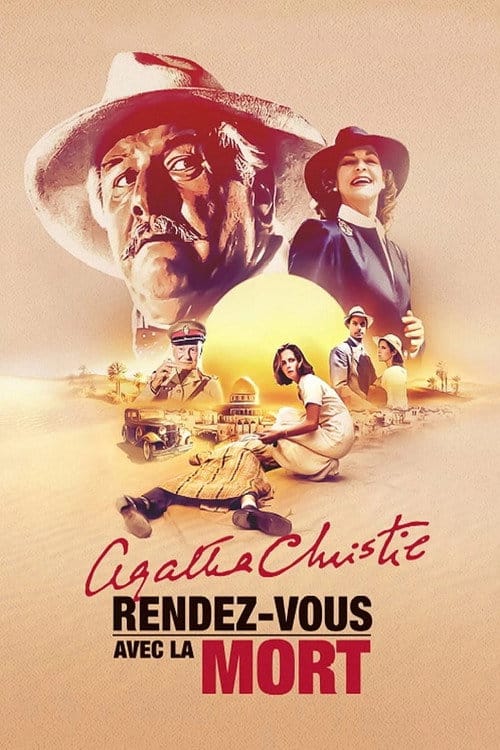
6.1·1988·102 min·English·Réalisé par Michael Winner
ThrillerCrimeMystèreDrame
Synopsis
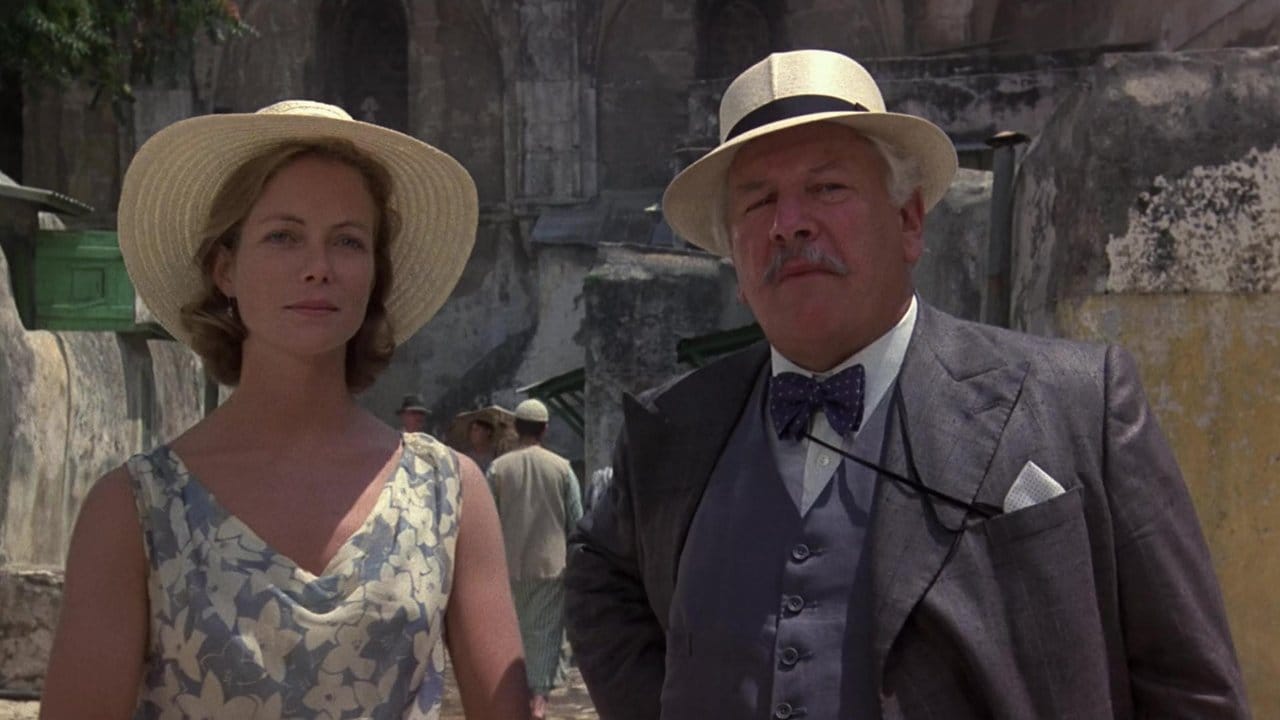
Emily Boynton est la belle-mère des trois enfants Boynton qu’elle tyrannise en profitant du fait que son mari décédé lui a laissé par testament le contrôle total sur sa fortune. La famille effectue une croisière vers la Palestine, à l’époque sous mandat britannique, puis séjourne à Jérusalem. Hercule Poirot, en vacances privées, enquête sur la mort de Boynton.
Acteurs principaux
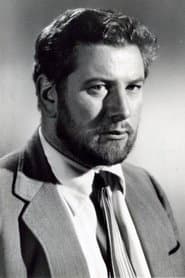


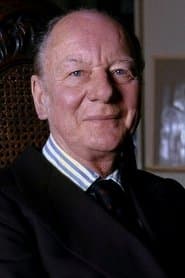

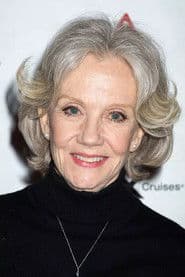
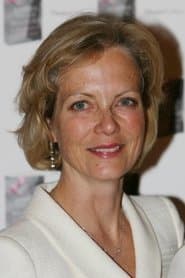
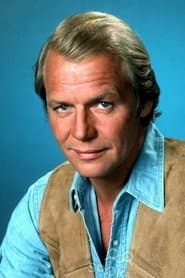
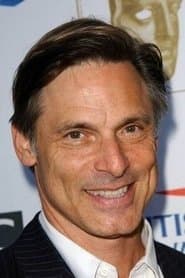
Hercule Poirot (Peter Ustinov) - Saga
Plus comme ça
Meurtre au soleil
1982·6.9

Meurtre en trois actes
1986·5.9
Le masque de Dimitrios
1944·7.1
La Valse des truands
1969·6.1
Miss Marple : Le Manoir de l'illusion
1991·6.9
Islands
2025·6.1
L'Affaire Pélican
1993·6.6
The Code
2009·6.0
Enquêtes gourmandes : Meurtres quatre étoiles
2015·6.7
Le Crime de l'Orient-Express
2017·6.7

Aurora Teagarden : Quand le passé vous rattrape
2020·7.3
Police puissance 7
1973·6.4
Communauté
6.4
Note Trakt
317 votes
10
16
9
8
8
35
7
68
6
131
5
43
4
6
3
4
2
3
1
2
1.2KSpectateurs
16.3KCollectés
697Listes
Avis de la communauté (4)
B
Buck Flower Sings★6/10Mar 3, 2019
5.5/10 - Solid story, though varies quite a bit from the novel it's based on. Completely over-acted, Lauren Bacall's faces she makes at the taste of the cake at the tea party about sums up this movie, but I really can't resist a Peter Ustinov Poirot.
♥1
S
senbaldorVIPCritiqueJun 7, 2026
# Reception and Legacy - Reception - Mixed critical response - Noted for being the final Ustinov Poirot performance - Criticism for departing from Agatha Christie's original source material # Themes and Meaning - Power - The abuse of authority - The psychological liberation of the victims - Justice - Legal vs. Moral justice - The concept of 'victim-perpetrator' dynamics # Cinematography and Sound - Visuals - Authentic Israeli locations (Qumran, Jerusalem) - Contrast between barren desert and claustrophobic interior spaces - Score - Pino Donaggio's suspenseful orchestration - Atmospheric use of middle-eastern motifs # Narrative Structure - Core Conflict - The psychological and physical confinement of the Boynton children - The murder of a domestic despot - Style - Traditional linear whodunit - Location-based mystery - Theatrical pacing # Character Analysis - Hercule Poirot - Portrayed by Peter Ustinov - Intellectual detachment - The moral arbiter - The Boynton Family - Emily Boynton: The antagonist/victim - Dysfunctional power dynamics - Enforced codependency # Summary Insights - The film shifts the setting from the Middle East of the 1930s (in the book) to the late 1940s, altering the socio-political context of the Israeli location. - Michael Winner’s direction emphasizes the physical harshness of the desert, which mirrors the emotional sterility of the Boynton family unit. - The character of Emily Boynton serves as a study in sociopathic control, using 'guilt' and 'duty' as the primary weapons of her oppression. - Poirot’s methods act as a catalyst for the breaking of the family's cycles of abuse, transcending the standard 'solve the murder' trope to include a psychological resolution. - The film reflects the late-80s tendency to interpret classic Christie mysteries with higher-budget location shooting, moving away from the ensemble-cast 'staged' feel of earlier adaptations.
2
2Ls1TVIP★7/10Nov 30, 2024
I agree there were better Ustinov Poirots but it’s still solidly enjoyable.
B
Bronson87★5/10Jul 21, 2022
Peter Ustinov played Poirot six times, and this is easily the weakest moment - not saying it's his fault, he's no David Suchet, but who is? No, _Appointment with Death_ has a great cast, but the issue is with the direction. There is no tension in the mystery. So many of Agatha Christie's stories have a claustrophobic urgency to them... but not here. There is actually a better telling of this same story in the television series of Poirot, go watch that instead. It's sad that this was Peter's final time to play the great detective, but at least he had a strong start with _Death on the Nile_, and _Evil Under the Sun_.
Avis