Chargement...
6.9·1982·117 min·English·Réalisé par Guy Hamilton
Bonnes vacances, chez Hercule Poirot !…
ThrillerCrimeMystèreDrame
Synopsis
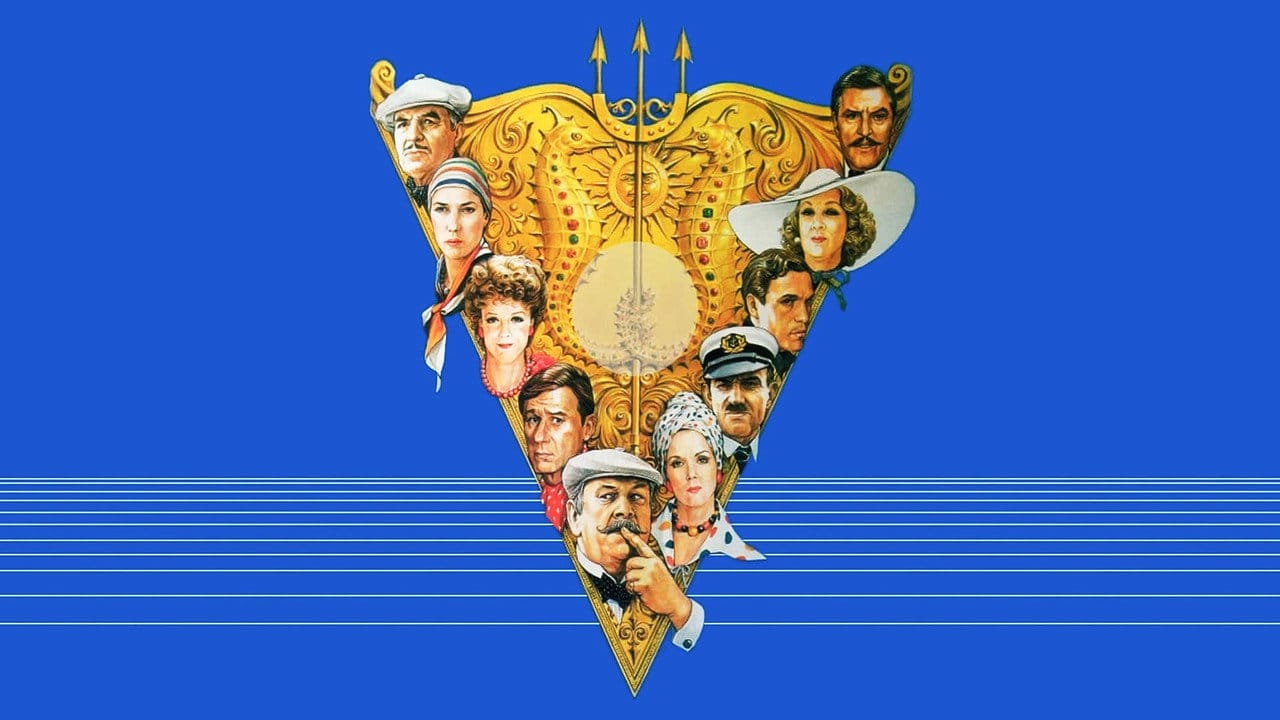
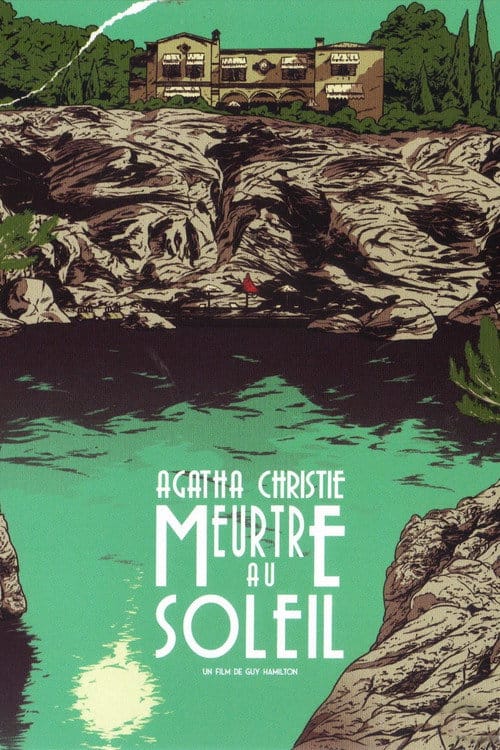
Sur le point d’épouser la belle Arlena, une actrice, Horace Blatt lui a fait présent d’un bijou de grande valeur. Mais, la fiancée a rompu sa promesse et rendu le cadeau. Peu après, Blatt découvre qu’il n’a plus qu’un faux en sa possession. Hercule Poirot accepte de récupérer le vrai bijou. Il se rend donc sur la petite île de l’Adriatique où Arlena, devenue entre‐temps madame Marshall, doit bientôt séjourner. Il découvre dans son hôtel toute une collection de personnages plus ou moins insignifiants qui se connaissent et qui ont tous une bonne raison d’en vouloir mortellement à Arlena. Celle‐ci ne tarde pas, d’ailleurs, à être assassinée…
Acteurs principaux
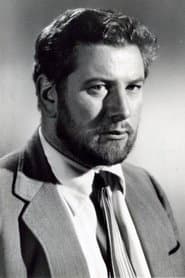
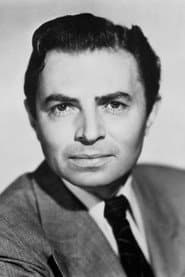

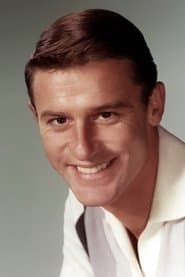
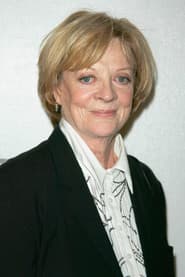



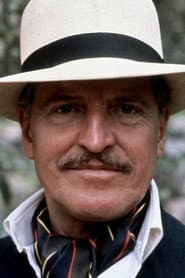
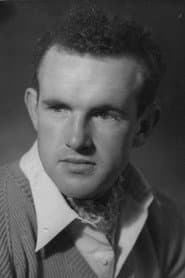
Hercule Poirot (Peter Ustinov) - Saga
Plus comme ça
Mort sur le Nil
2022·6.4
Miss Marple : Le Manoir de l'illusion
1991·6.9
Meurtre en trois actes
1986·5.9
Le Crime de l'Orient-Express
2017·6.7
L'Affaire Pélican
1993·6.6
Overdrive
2017·6.1
Le Crime de l'Orient-Express
1974·7.1
Enola Holmes 3
2026·7.0
Insomnia
2002·7.0
The Code
2009·6.0
Inferno
2016·6.1
Out of Time
2003·6.4
Communauté
7.3
Note Trakt
772 votes
10
75
9
61
8
178
7
268
6
151
5
18
4
12
3
2
2
1
1
5
2.7KSpectateurs
40.9KCollectés
1.5KListes
Avis de la communauté (5)
H
hirkitiVIP★8/10Nov 2, 2023
Great of course but contrary to the universal consensus, I prefer Nile from a few years earlier. I like better Nile’s actors and it’s incredible on location sets.
♥3
B
Buck Flower Sings★8/10Dec 22, 2019
What a gem of a movie. Perhaps the best of the Ustinov series? With Orient and Nile as close 2nd and 3rd. This one takes a bit longer to really get into, and the characters are significantly more 'out there' and diabolical, but this is so well done
♥3
T
tomekad★8/10Dec 2, 2023
The murderer's identity is obvious from the start, but the method is quite a surprise. Overall rather enjoyable film
♥1
S
Spiritualized Kaos★10/10Aug 12, 2023
The best adaptation of an Agatha Christie novel
♥1
S
senbaldorVIPCritiqueJun 7, 2026
# Reception and Legacy - Status - Part of the 1970s/80s Agatha Christie star-studded revival - Noted for its witty, self-aware adaptation of the source material # Themes and Meaning - Core Themes - The corrosive nature of vanity and ego - The duality of appearance vs. reality - Greed as a motivator for human cruelty # Cinematography and Style - Visual Aesthetic - Vibrant, sun-drenched Mediterranean color palette - High-key lighting to contrast with the dark nature of the murder - Art Deco influence in production design # Narrative Structure - Plot Mechanics - Locked-room style mystery on a remote island - Dual timeline narrative structure (the past crime vs. the present murder) - Structured around the classic 'gathering of suspects' trope # Character Analysis - Key Archetypes - Hercule Poirot: The objective, observant genius - Arlena Stuart: The catalyst of envy and resentment - Patrick and Myra Redfern: The conspirators of the 'perfect' alibi # Summary Insights - The film uses the idyllic setting as a stark contrast to the human depravity beneath the surface, embodying the 'Evil Under the Sun' title. - The narrative structure relies heavily on the 'reliable narrator' fallacy, where the audience is misled by the theatrical nature of the characters' performances. - By utilizing Cole Porter’s music, the film anchors itself in the interwar glamour of the source material while maintaining a cynical modern perspective on celebrity culture. - The solution to the mystery hinges on the temporal coordination of the suspects, highlighting the precision required to commit a 'perfect' crime in a classic whodunit framework.
Avis