Chargement...
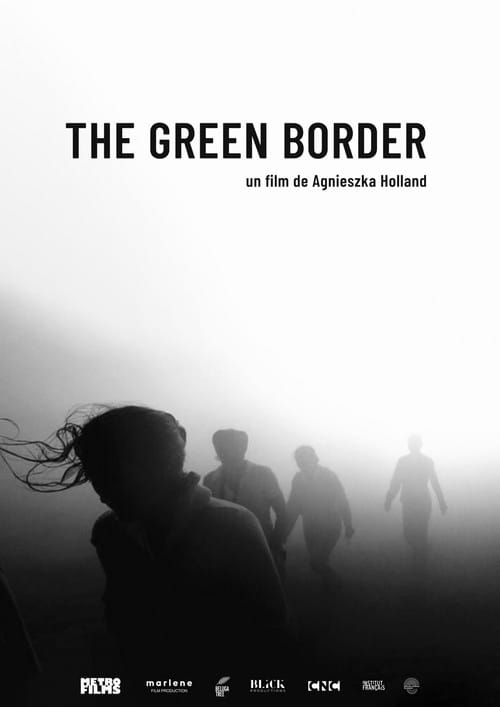
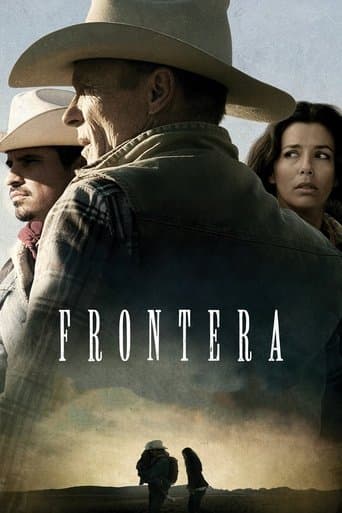
7.4·2023·147 min·pl·Réalisé par Agnieszka Holland
Drame
Synopsis
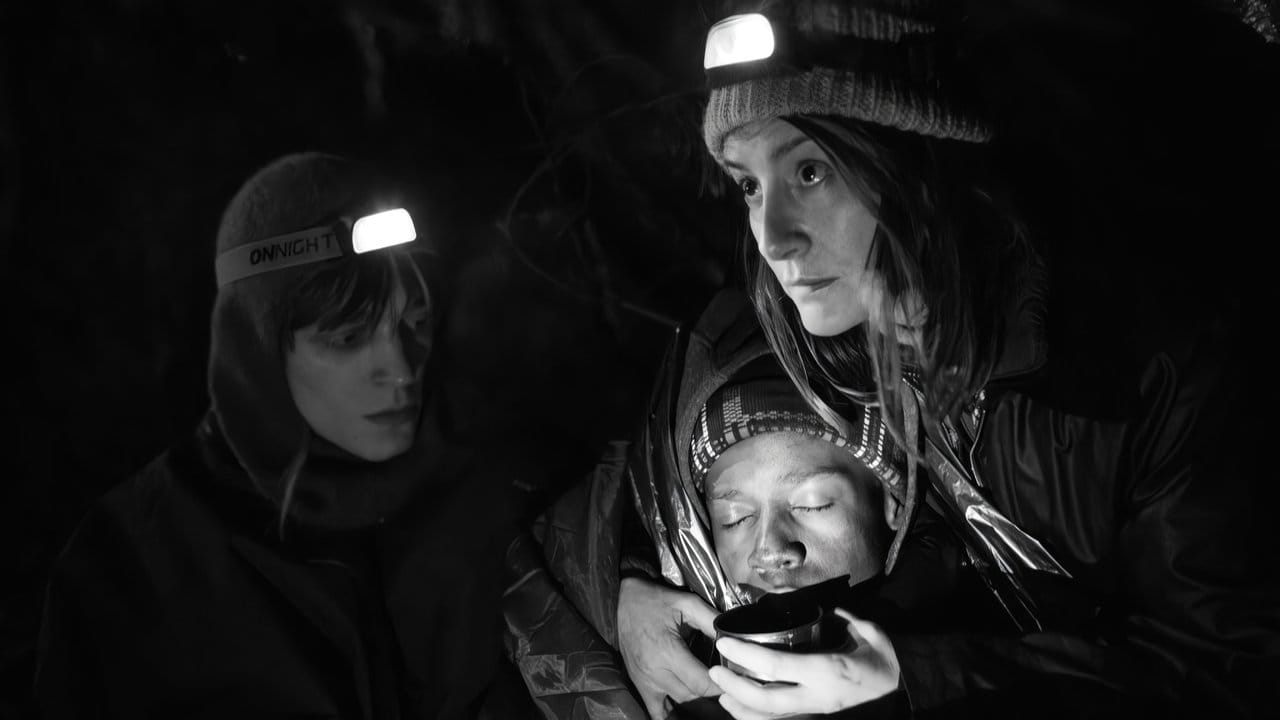
Dans les forêts dangereuses et marécageuses qui constituent la « frontière verte » entre la Biélorussie et la Pologne, les réfugiés du Moyen-Orient et d’Afrique qui tentent d’atteindre l’Union européenne sont piégés dans une crise géopolitique cyniquement orchestrée par le dictateur biélorusse Alexandre Loukachenko. Dans une tentative de provoquer l’Europe, les réfugiés sont attirés vers la frontière par une propagande promettant un passage facile vers l’UE. Pions de cette guerre cachée, les vies de Julia, une nouvelle militante qui a renoncé à sa vie confortable, de Jan, un jeune garde-frontière, et d'une famille syrienne s'entremêlent.
Acteurs principaux






Plus comme ça




Communauté
7.4
Note Trakt
278 votes
10
59
9
25
8
77
7
50
6
30
5
10
4
9
3
2
6
1
12
676Spectateurs
10.5KCollectés
923Listes
Avis de la communauté (2)
M
miguelreina★8/10May 1, 2024
The urgent reflection of the hypocrisy of immigration policies in a Europe that has failed in its social and economic proposal is shown in a film that tries to diversify points of view, which makes it more complex. It is not only the point of view of a family that ends up immersed in the nightmare of dehumanization and the use of refugees as political currency by countries like Belarus, but it also approaches other perspectives (activists, soldiers with something of humanitarian conscience...) to show a diverse reality in which, however, the victims are always victims. There is also hypocrisy when it's pointed out the difference in treatment towards refugees from nearby wars versus those from distant wars.
J
jeroenvanstrien★9/10Mar 11, 2024
Thank you Agnieszka Holland for making this film. In Poland, the film was banned for being Nazi propaganda (according to the far-right government there). It is shocking to see how the white Russians and Poles literally play with human lives by pushing them back and forth across the border. There is only 1 solution and that is to revolt, so what are we waiting for?
Avis