Laden...
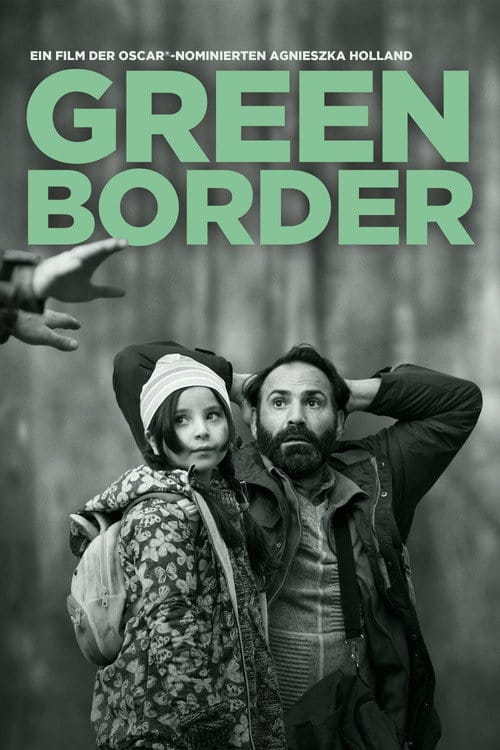
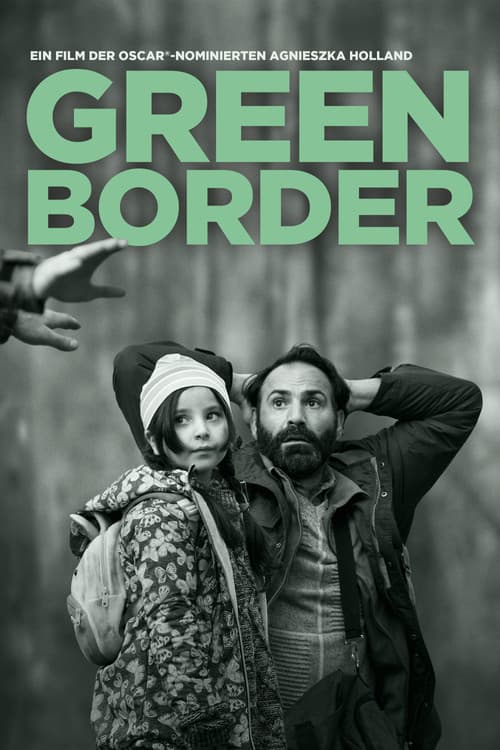
7.4·2023·152 min·pl·Regie Agnieszka Holland
Drama
Handlung
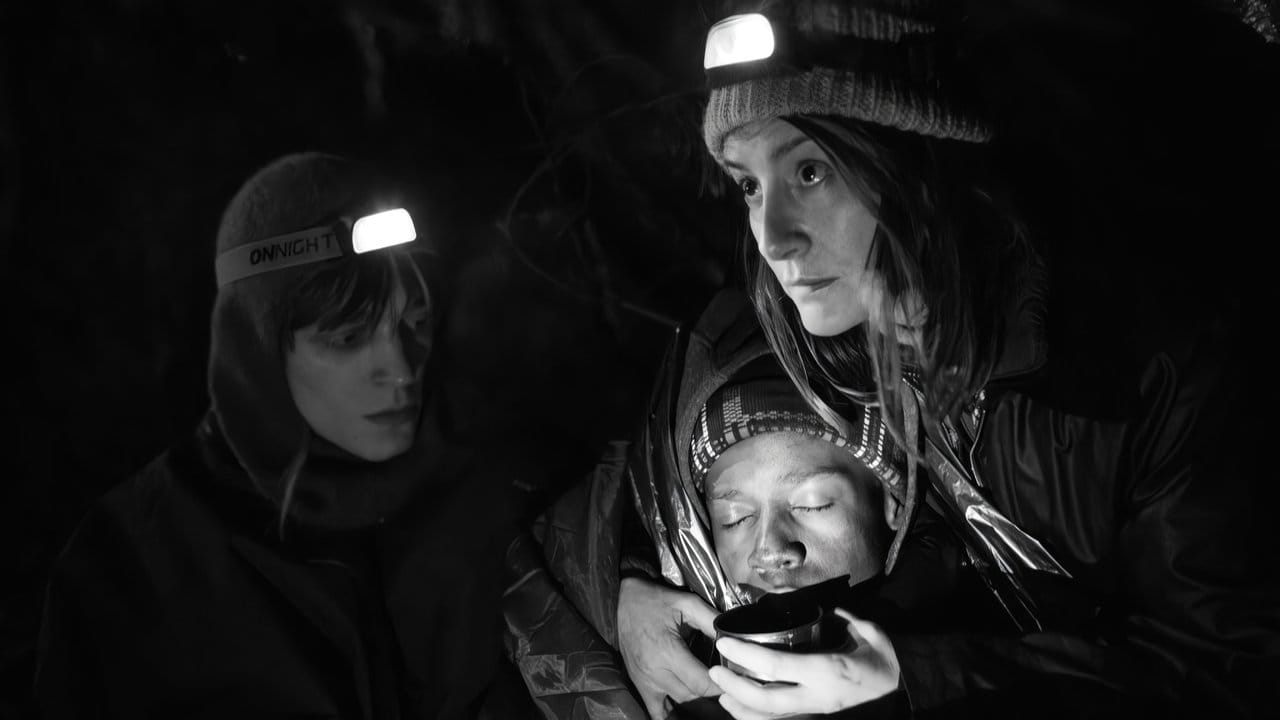
In den tückischen und sumpfigen Wäldern, die die sogenannte "grüne Grenze" zwischen Belarus und Polen bilden, sind Geflüchtete aus dem Nahen Osten und Afrika, die versuchen, die Europäische Union zu erreichen, in einer geopolitischen Krise gefangen, die vom belarussischen Diktator Alexander Lukaschenko inszeniert wurde. Um Europa zu provozieren, werden die Geflüchteten durch Propaganda, die ihnen eine einfache Überfahrt in die EU verspricht, an die Grenze gelockt. Die Leben von Julia, einer frisch gebackenen Aktivistin, die ihr bequemes Leben aufgegeben hat, Jan, einem jungen Grenzschutzbeamten, und einer syrischen Familie verflechten sich zu Spielbällen in diesem Krieg im Verborgenen.
Hauptdarsteller




Mehr wie das
Adopt a Highway
2019·6.7
Nennt mich verrückt!
2013·7.0
Frontera
2014·6.5
A Question of Faith - Eine Frage des Glaubens
2017·7.5
Der Grenzwolf
1980·6.1
The Good Lie
2014·7.5
Maria
2024·6.3
Auferstanden
2016·6.3
The Company You Keep - Die Akte Grant
2012·6.2
Sweetness in the Belly
2019·6.2
Hereafter - Das Leben danach
2010·6.1
Home
2021·6.7
Communauté
7.4
Note Trakt
276 votes
10
58
9
25
8
77
7
49
6
29
5
11
4
9
3
2
6
1
12
668Spectateurs
10.5KCollectés
923Listes
Avis de la communauté (2)
M
miguelreina★8/10May 1, 2024
The urgent reflection of the hypocrisy of immigration policies in a Europe that has failed in its social and economic proposal is shown in a film that tries to diversify points of view, which makes it more complex. It is not only the point of view of a family that ends up immersed in the nightmare of dehumanization and the use of refugees as political currency by countries like Belarus, but it also approaches other perspectives (activists, soldiers with something of humanitarian conscience...) to show a diverse reality in which, however, the victims are always victims. There is also hypocrisy when it's pointed out the difference in treatment towards refugees from nearby wars versus those from distant wars.
J
jeroenvanstrien★9/10Mar 11, 2024
Thank you Agnieszka Holland for making this film. In Poland, the film was banned for being Nazi propaganda (according to the far-right government there). It is shocking to see how the white Russians and Poles literally play with human lives by pushing them back and forth across the border. There is only 1 solution and that is to revolt, so what are we waiting for?
Kritiken