Chargement...
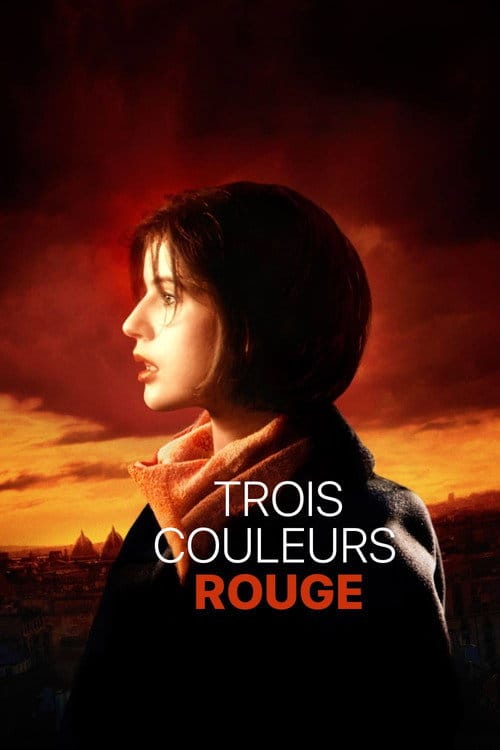
7.9·1994·100 min·Français·Réalisé par Krzysztof Kieślowski
Le fil rouge invisible des destins.
DrameMystèreRomance
Synopsis
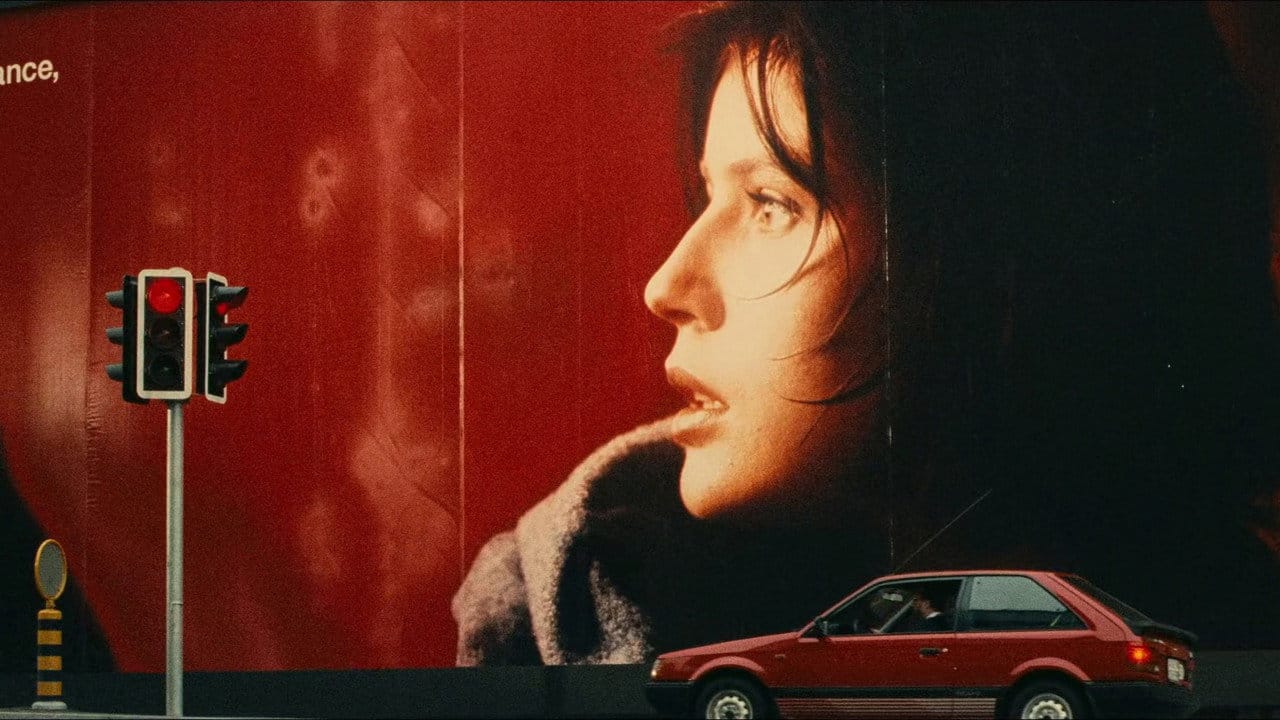
Valentine, étudiante à Genève et mannequin à ses heures, passe son temps à attendre les appels téléphoniques de son petit ami, Michel, qui vit en Angleterre. Auguste, son voisin, épris de la douce Karin, travaille d'arrache-pied pour devenir avocat. Sans le savoir, tout ce petit monde a été placé sur écoute par un juge à la retraite, acariâtre et cynique, qui occupe ainsi sa misanthropie et ses vieux jours. Parce qu'au volant de sa voiture, elle a renversé la chienne du juge, Valentine fait la connaissance du vieux grigou et découvre ses basses manies. Dégoûtée autant que fascinée, elle se met à lui rendre de fréquentes visites...
Acteurs principaux






Trois Couleurs - Saga
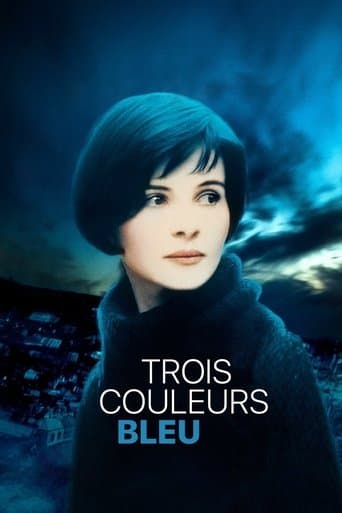

Plus comme ça
Communauté
7.9
Note Trakt
1.7K votes
10
333
9
253
8
525
7
296
6
150
5
45
4
19
3
11
2
12
1
16
4.2KSpectateurs
125.4KCollectés
9.0KListes
Avis de la communauté (9)
A
AdamMorganVIP★9/10Oct 15, 2018
This was the final movie in a fantastic trilogy by Polish Director Krzysztof Kieślowski (the others are Three Colors: Blue and Three Colors: White). I look forward to checking out his other work. While I can't relate much to the meaning behind much of his work (I am still reading up on the history of France and the colors on their flag) I loved the overall feel of this film and the way that the story unfolds. At different points it reminded me of The Conversation (one of the best films that seems largely forgotten about when we talk about all-time great films). While many have said that Jacob can't hold a candle to Binoche I think that is a bit unfair as Binoche had a lot more to work with in the first film. And then.... there's the ending. I didn't love it and - I hate to criticize the director - it seems to have cheapened the rest of the film and potentially the trilogy. The odd thing about that is that as things turned right before that I thought the film had really ascended to an amazing level.
♥5
S
seeyoshirun★10/10Oct 12, 2024
A perfect way to round out a wonderful trilogy of films, only very loosely connected but with tones that feel like they flow effortlessly into one another. After the more intensely dramatic "Blue" and comedic "White", we finish with the quietly absorbing and sweet "Red", a tale about two very different people gradually becoming friends after a chance car accident. It's one of those films that doesn't necessarily have a specific aspect one can point to that makes the film outstanding, but the more one watches the film the more they find themselves drawn into the lives of these characters, in a way not unlike the eavesdropping of the judge in the film. It's a film of quiet surprises and lovely small moments.
♥1
D
drqshadowCritique★8/10Feb 19, 2026
The final film of Krzysztof Kieślowski’s sensitive, loosely-connected _Colors_ trilogy involves overlapped lives in the heart of a busy European metro. The odd, unexpected rapport that develops between once-strangers Valentine and Joseph (a warm, restrained young woman and a cold, cynical older man) soaks up most of the screen time, but we’ll encounter a number of other individuals, equally tangled in the messy web, before it’s all said and done. Near-misses and unconscious influences that cause ripples in each other’s days, overlooked or unregistered by the characters but lain bare for the audience. A sort of butterfly effect for French romantics. There’s a tasty contradiction at the heart of Valentine and Joseph’s unlikely friendship, both in their ethical outlooks and their personalities. His prime years have tapered off, leaving nothing but spite, regret and bad memories. Her adulthood is just beginning, pregnant with wonder and promise, but she’s allowed a possessive partner to cage her spirit. Joseph repulses her, both for his sour nature and his voyeuristic habit of eavesdropping on neighbors’ telephone conversations. Valentine intrigues him, both for her compassionate optimism and her youthful naïveté. They challenge each other, push each other, demand defense of the principles which make them who they are. And, shockingly, they each listen, grow from the debate, and nurture a strong mutual respect. Ideological rivals needn’t necessarily be incompatible dinner partners. Watching this relationship develop is a beautiful thing. So is the lead actress. A returning veteran from Kieślowski’s international breakthrough, _The Double Life of Veronique_, Irène Jacob is just as stunning, lightly perturbed and melancholy in this role. Her nuanced emotions carry a lot of weight here, and so do her unique physical charms. She’s the ideal vehicle for _Red_’s moods and meanings: simultaneously certain and uncertain, confident enough to stand up for her beliefs but also willing to be disproven and convinced. C’est la vie. Or at least, it should be. A deep, lovely, thoughtful film. My favorite of the three.
T
TobeiyyyCritique★8/10Jan 14, 2025
Three colors red is an amazing closure for a trilogy where each film couldnt be more similar to each other yet still show such different aspects by going all in and showing us their unique stories. Liberty, Equality and Fraternity are the cornerstones of these three movies and the cinematography breathes those words in every scene, not only by being drenched in blue, red and partly even white/bright filters making each of the movies distinct and easily recognizable from one another, but also by using these words and colors to further amplify the meaning of them and their connection to the protagonists of the films. Julie in Blue lost her whole family and later found out that her husband hurt her for worse even after his death, but found a liberating peacefulness in acceptance and forgiveness when finding out about the double life her husband lived. Karol in White gets to learn how even with a lot of money at the end of the day all humans are equal and the only thing that drives and amplifies the impact humans have on eachother are the interpersonal relationships and connections that form with people that care for you as you care for them. And Valentine as ironic as it is has experiences the biggest fraternity when connecting with a retired judge, almost double her age that has a hobby in stalking other peoples phoneslines and not with her family or date. Each of these movies shines in their own unique way and the trilogy culminates in a satisfying ending in red that ties all of the protagonists together, leading their actions to a rewarding conclusion and making the unpredictable cinematic butterfly effect in this trilogy one of the best of its kind.
S
Spiritualized Kaos★10/10Dec 20, 2023
The best of the trilogy. Exceptional Irene Jacob.
Avis