Chargement...
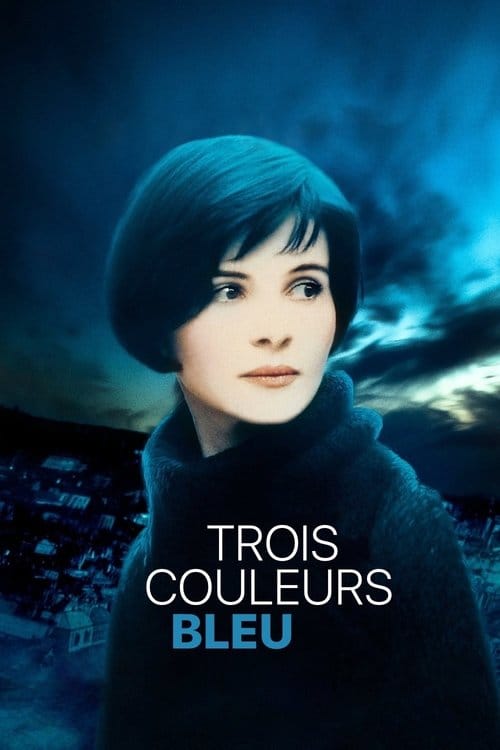
7.6·1993·100 min·Français·Réalisé par Krzysztof Kieślowski
Drame
Synopsis
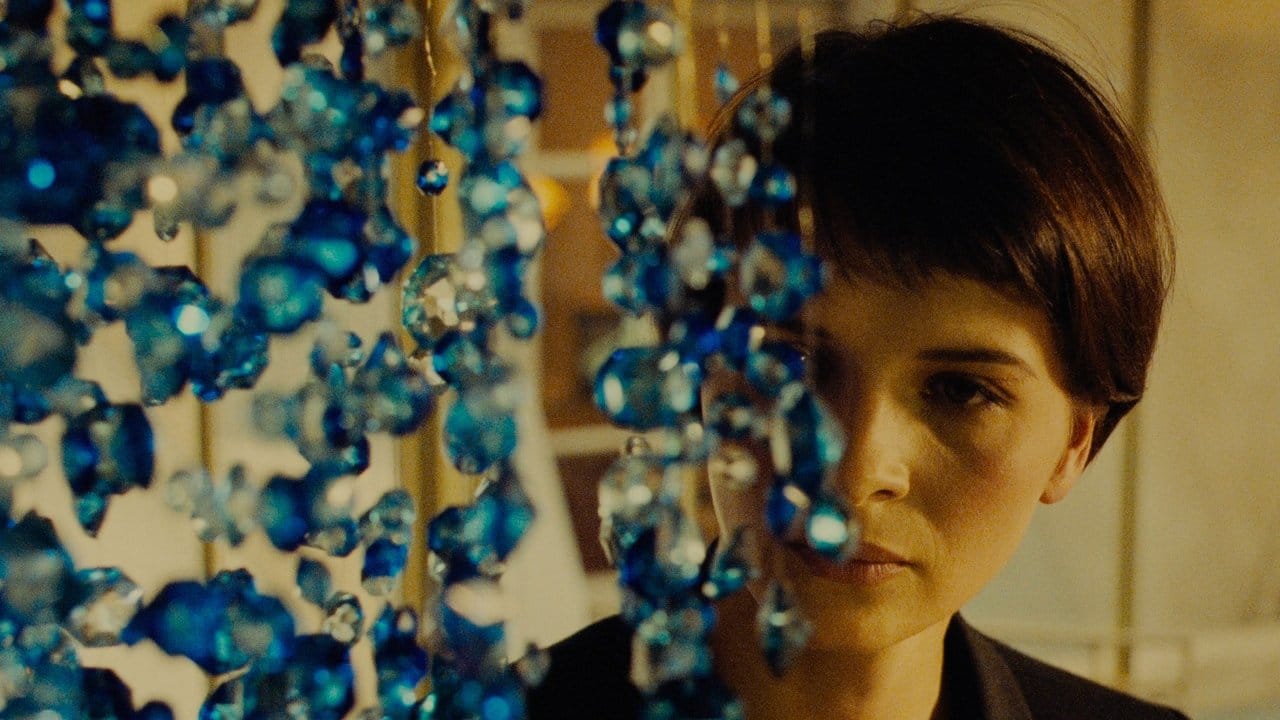
Après la mort de son mari, compositeur réputé, et de leur fille dans un accident de voiture, Julie commence une nouvelle vie, coupant tout lien avec son passé. Ex-assistant du couple, Olivier, amoureux d'elle, tente de l'inciter à terminer le Concerto pour l'Europe.
Acteurs principaux








Trois Couleurs - Saga
Plus comme ça
Le Locataire
1976·7.6
The Thing with Feathers
2025·6.5
De battre mon cœur s'est arrêté
2005·6.9
Not Without Hope
2025·6.2
Mothers' Instinct
2024·6.8
Le Talentueux M. Ripley
1999·7.2
Requiem for a Dream
2000·8.0
La Vie passionnée de Vincent Van Gogh
1956·7.2
Une épouse trop parfaite
1993·6.6
Manon des sources
1986·7.6

Horns
2013·6.3
La Piscine
1969·7.0
Communauté
7.6
Note Trakt
2.1K votes
10
315
9
267
8
627
7
471
6
245
5
82
4
44
3
14
2
14
1
19
5.3KSpectateurs
109.8KCollectés
7.0KListes
Avis de la communauté (10)
M
Maarten Delfgou★8/10Mar 12, 2022
Three Colours trilogy (French: Trois couleurs, Polish: Trzy kolory) Trois Couleurs Bleu (1993) Three Colours Blue https://trakt.tv/movies/three-colors-blue-1993 Trois Couleurs Blanc (1994) Three Colours White https://trakt.tv/movies/three-colors-white-1994 Trois Couleurs Rouge (1994) Three Colors Red https://trakt.tv/movies/three-colors-red-1994
♥4
M
manicureVIP★7/10Nov 19, 2021
The quintessential European art movie, carefully built to make you look into the characters’ inner world instead of wondering about what will happen next. I still can’t see how blue is a symbol of liberty, though. The characters look anything but free, and every time blue shows up, it seems to represent the chains of the past that drag Julie down, the traumatic memories (and melodies) that keep intruding into her thoughts. The film makes a point of having no choice but to embrace our past in order to break free from it; however, I expected it to get a little deeper than that. Visually, it still holds up wonderfully, with poetic images and symbolic scenes doing most of the talk.
♥4
D
drqshadowCritique★8/10Jun 9, 2024
When an automobile accident claims the lives of her husband and young daughter, a distraught French woman fades from view. Deliberately removing herself from the trappings of her former, affluent life, she ghosts her friends, rents a bare apartment in a slummy part of town, frequents the local coffee shop and waits for a new life to come knocking. Which it does, along with a few pesky remnants of her old one. In the end, she must choose between cherishing the best years of her early adulthood and discarding their memory in favor of a fresh start. Although this is a film about loss, it’s not a drag. Not entirely, anyway. While she’s frequently stung by echoes of her past, Julie gradually grows to accept and appreciate these reflections as more than just monuments to a misfortune. Over time, she opens herself to new people and experiences she would’ve avoided before the accident. After she’s had time to think it over, she uses an unfinished musical composition to explore different aspects of her ex-husband and the relationship they shared. Personal tragedy isn’t the only challenge we see Julie face, but in showing grace and generosity to solve other obstacles, she learns to process her loss, heal, and let go. I found that beautiful.
♥3
E
Evergreen2017★4/10Mar 19, 2021
Boring boring boring boring boring to death! Excellent cinematography, wonderful Binoche.
♥2
T
Tobeiyyy★9/10Jan 12, 2025
♥1
Avis