Cargando...
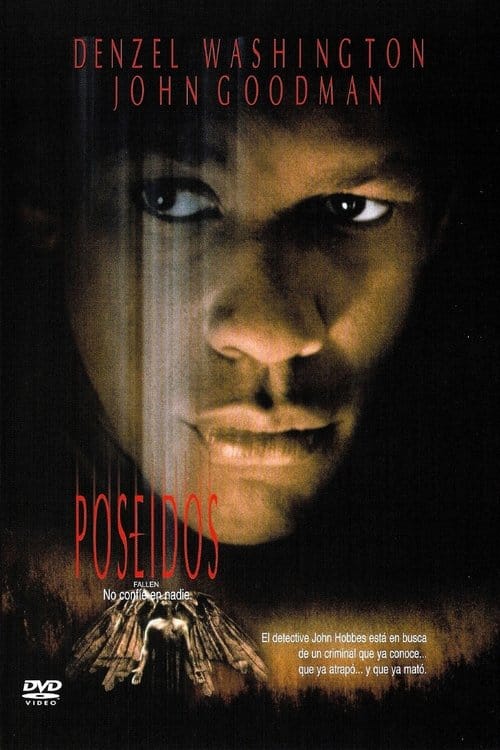
6.8·1998·119 min·English·Dirigida por Gregory Hoblit
Ni un alma está a salvo.
CrimenDramaSuspense
Sinopsis
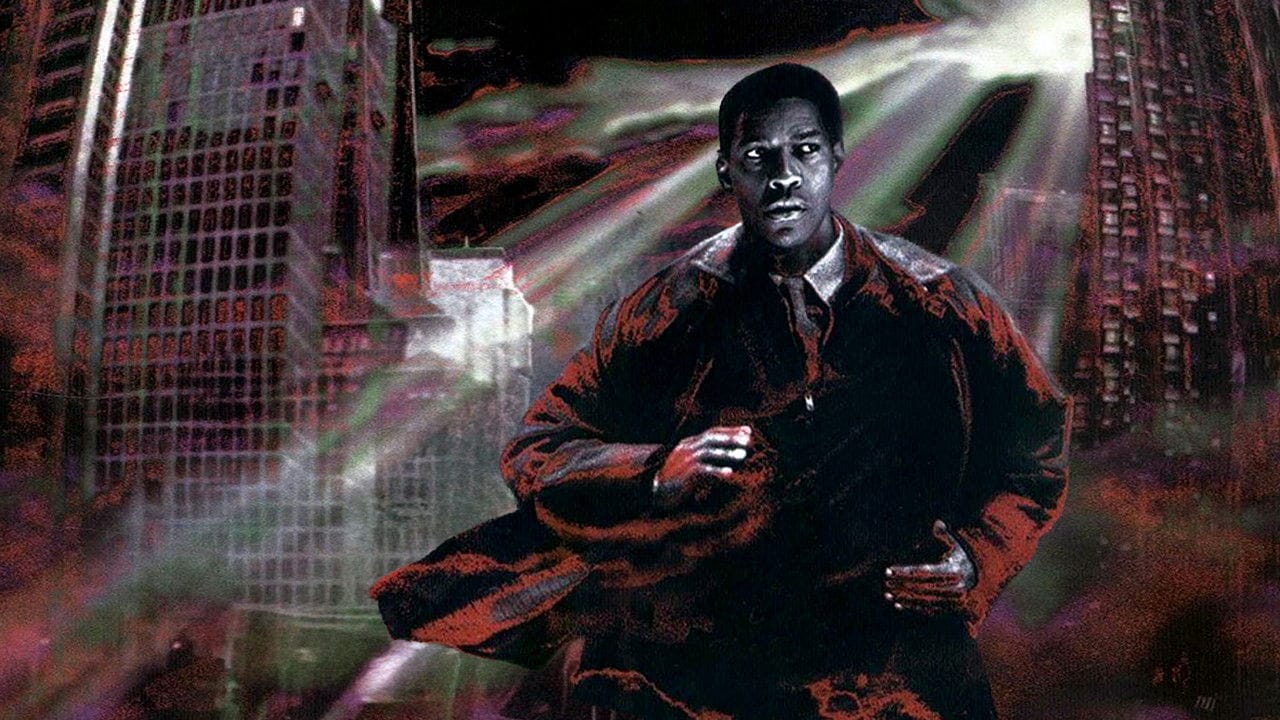
El detective John Hobbes está convencido de que tras la ejecución del asesino en serie Edgar Reese se han acabado los problemas. Pero cuando la gente que conoce comienza a cantar la misma canción que Reese cantó durante su ejecución, Hobbes se da cuenta que quizá tras los crímenes se encuentre el ángel caído Azazel, que fue condenado a vagar informe por la Tierra y toma los cuerpos de otras personas.
Reparto principal










Más como esto





Communauté
7.1
Note Trakt
3.5K votes
10
392
9
200
8
825
7
915
6
715
5
149
4
175
3
36
2
62
1
24
13.6KSpectateurs
73.2KCollectés
6.0KListes
Avis de la communauté (8)
E
Edgerk★9/10Jan 29, 2021
It's the kind of horror that I really enjoy, very real
♥2
M
MatheusFDC★7/10Jul 20, 2026
Possuídos é um suspense sobrenatural inteligente, com uma premissa original, boas atuações e uma atmosfera que permanece envolvente do início ao fim. Apesar de apresentar algumas conveniências de roteiro e de não explorar todo o potencial de sua mitologia, continua sendo um filme acima da média dentro do gênero. Minha nota é 7,0 de 10 (70/100): bom. O filme está disponível na HBO Max.
S
senbaldorVIPCritique★8/10May 31, 2026
# Themes and Symbolism - Philosophical Pillars - The nature of evil as a contagion rather than a discrete entity - Predestination vs. Free Will: The futility of fighting an 'ancient' enemy - The corruption of the 'innocent': How social systems facilitate evil # Narrative Structure - The Mechanics of Evil - Frame Narrative: Opens and closes with the protagonist's voice-over - Cyclical Conflict: The hunter becomes the prey through possession - Core Conflict: The struggle to maintain personal agency against an inescapable supernatural force # Cinematography & Sound - Visual/Aural Language - POV shots represent the 'demon's eye view' as it moves between hosts - Recurring musical motif: The Rolling Stones' 'Time Is on My Side' - Color palette: Desaturated, moody noir aesthetic mirroring moral ambiguity # Character Analysis - John Hobbes - Moral anchor transitioning into a state of existential despair - Motivation: Pursuit of justice vs. preservation of his own soul - Azazel - A fallen angel acting as a malevolent, incorporeal parasite - Symbolizes the 'banality of evil' manifesting in ordinary people # Summary Insights - The film uses the 'body-hopping' mechanic to suggest that evil is not a single person but a societal condition that can occupy anyone at any time. - The use of 'Time Is on My Side' functions as an ironic subversion; the song promises stability while the film depicts the chaotic displacement of the human identity. - The ending functions as a nihilistic critique of the police procedural genre, where the hero's struggle leads not to catharsis, but to a total loss of self. - Azazel acts as a metaphor for institutional and inherited cruelty, passing through generations and bodies without ever needing a specific political agenda. - The film challenges the 'detective as a hero' trope by stripping Hobbes of his ability to distinguish between friend, foe, and the true source of his dilemma.
D
Digital_PhreakerFeb 5, 2024
A
Adafeloz★5/10Aug 27, 2021
Reseñas