Cargando...
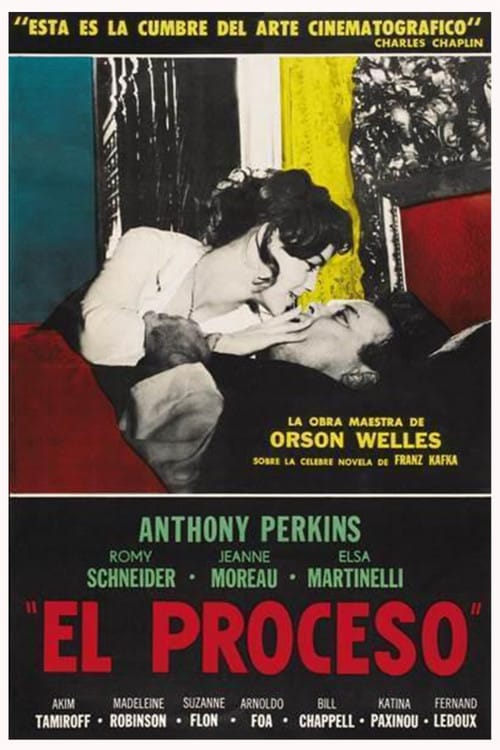
7.4·1962·119 min·English·Dirigida por Orson Welles
Un Film de Orson Welles
CrimenDramaMisterio
Sinopsis
Un hombre se despierta por la mañana, y se encuentra con que la policía ha entrado en su habitación y lo arresta, tras acusarlo de haber cometido un crimen.
Reparto principal





Más como esto
El informe Pelícano
1993·6.6
La sombra de una duda
1943·7.5
Fuerza bruta
1947·7.3
Los límites del control
2009·6.0
El ministerio del miedo
1944·6.9
Cuestión de justicia
2019·7.8

Vidas en pedazos
2019·6.7
Motín en el Pabellón 11
1954·7.1
Legítima defensa, de John Grisham
1997·7.0
El caso de Thelma Jordon
1949·6.6
Llamad a cualquier puerta
1949·6.2
El detective
1968·5.9
Communauté
7.3
Note Trakt
619 votes
10
75
9
55
8
178
7
140
6
86
5
36
4
29
3
6
2
7
1
6
1.3KSpectateurs
27.3KCollectés
2.6KListes
Avis de la communauté (4)
D
drqshadow★6/10Feb 6, 2020
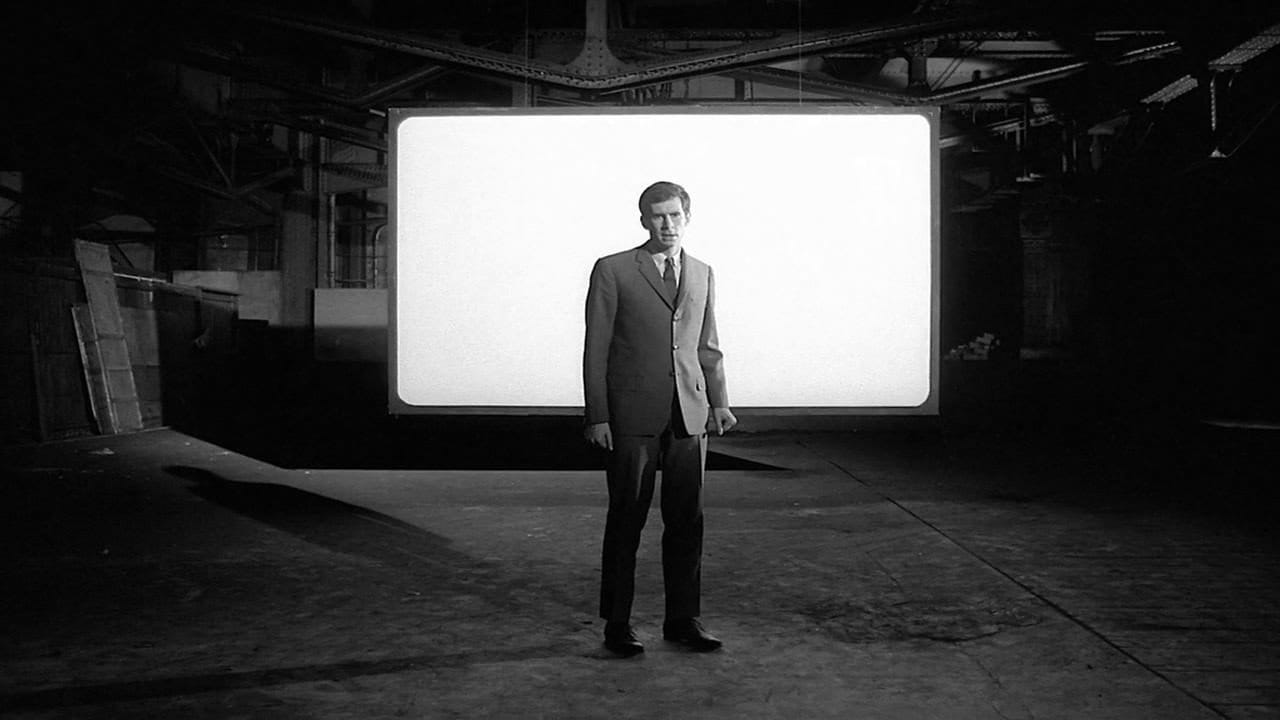
Continuing my Orson Welles mini-kick with the film he considered to be his best. I found a lot to adore in The Trial, but just as much to furrow my brow over. The cinematography is stunning; full of visual metaphor and gorgeous photography, it's an unyielding show of moviemaking expertise. Welles plays up the bleak, "no tomorrow" nature of the exterior scenes, the structured chaos of the workplace and the hedonistic excess exhibited by the various stages of the trial itself, to great effect. The story, though, feels too flighty and imprecise for my taste. It should come as no surprise, being a translation of a Kafka novel, that this often feels surreal and confusing. The narrative continuously floats and sputters just beyond the grasp of understanding, like a moth delicately avoiding a set of flailing hands. The Trial’s premise may be established nicely during the opening scenes, but as the duration grows it becomes too ambitiously ambiguous for its own good.
♥2
M
Maarten DelfgouApr 9, 2022
The original title of the film is Le procès.
♥1
I
independentmovieloverrr★8/10Mar 5, 2026
Damn sisters and brothers from other mothers. Listen up. Hardcore psycho movie you fools. Go watch it huge masterpiece. Bang Bang I Always dreamt about a real gang
G
guzzlima★10/10Dec 22, 2024
Orson Welles' masterpiece, based on another masterpiece by Franz Kafka. The film impresses with its extraordinary cinematography, with images that explore vast spaces and peculiar architecture. The atmosphere is deeply uncomfortable, reflecting the tone of the story itself, which is full of social criticism, especially directed at bureaucracy and the justice system. The film stands out for its impressive visual sequences, with synchronized and massive scenes that evoke a sense of robotization, symbolizing the monotony and oppression of an excessively rigid world. This aesthetic is reinforced by the brilliant performance of Anthony Perkins, who drives the plot with great expressiveness. In addition, the structure of the film has remarkable theatrical and metaphorical elements, enriched by Orson Welles' narration and acting, which adds even more impact.
Reseñas