Cargando...
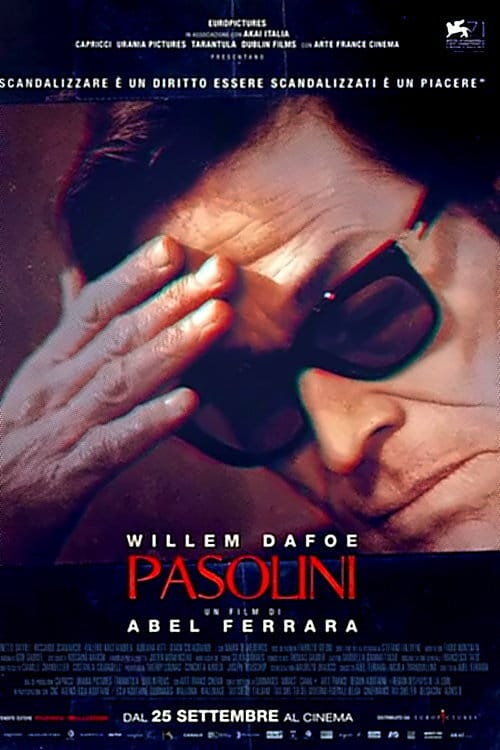
5.7·2014·86 min·Italiano·Dirigida por Abel Ferrara
HistoriaDrama
Sinopsis
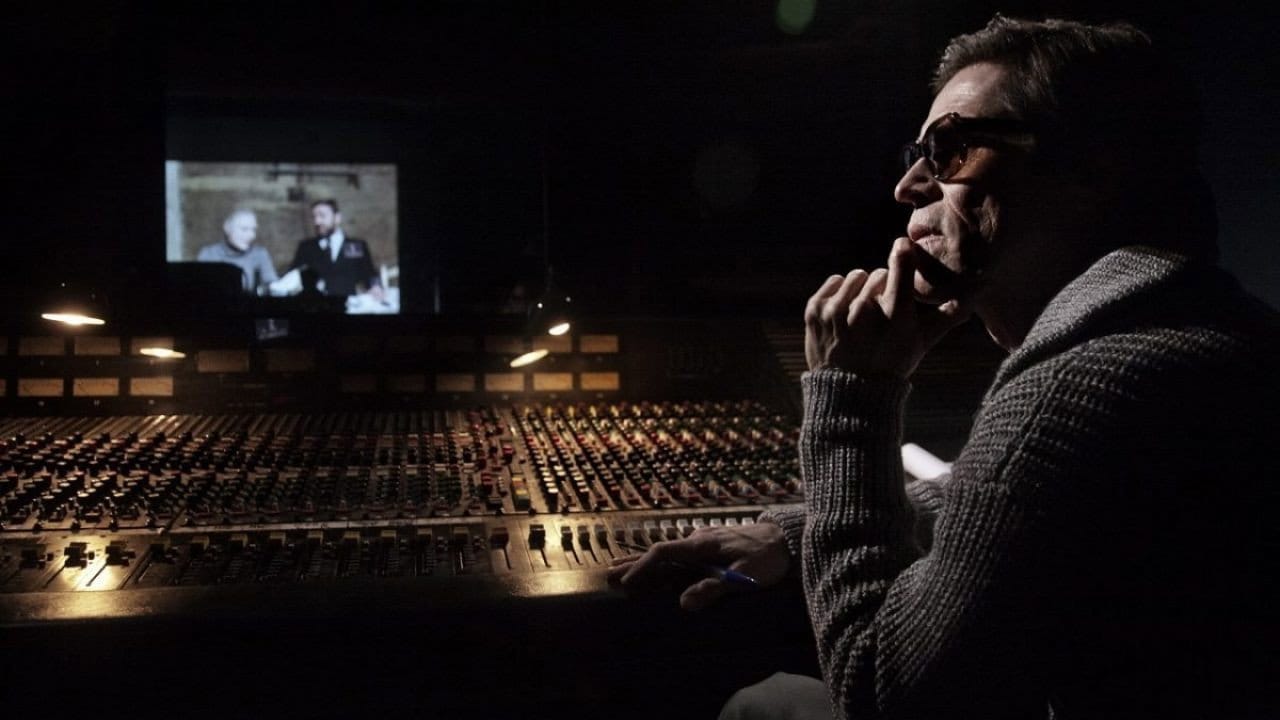
La noche del 2 de noviembre de 1975, Pier Paolo Pasolini es asesinado en Roma. El director era el símbolo del arte revolucionario que lucha contra el poder. Sus escritos eran escandalosos; sus películas, perseguidas por los censores. Era tan amado como odiado. Ese día, Pasolini había pasado sus últimas horas con su madre y con sus amigos; por la noche se lanzó a la calle en busca de aventuras. Al amanecer, su cadáver fue hallado en una playa de Ostia, en las afueras de la ciudad. (FILMAFFINITY)
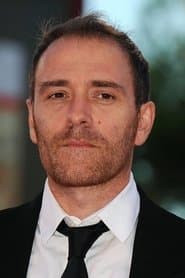
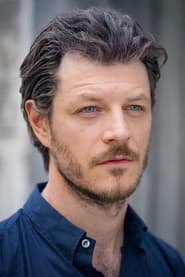
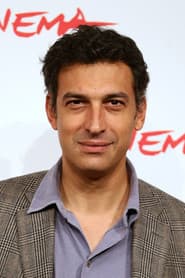
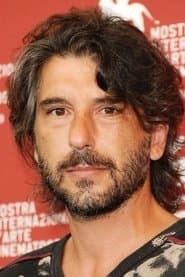
Reparto principal



Más como esto

Communauté
5.7
Note Trakt
179 votes
10
15
9
8
15
7
16
6
59
5
30
4
21
3
7
2
8
1
8
503Spectateurs
2.2KCollectés
611Listes
Avis de la communauté (2)
G
guzzlima★8/10Nov 6, 2024
Pier Paolo Pasolini's last moments are portrayed in this unconventional biopic. The structure of the film is different and makes use of Pasolini's own work, creating scenes that are interspersed between an interview and personal actions in his moments, as well as writings and reflections, presenting a kind of ordered chaos that is more intimate and explicit. This is a film whose poetic metaphor is integrated into reality in a distinct, fluid, uncomfortable and captivating way.
G
guzzlima★8/10Nov 4, 2024
Pier Paolo Pasolini's last moments are portrayed in this unconventional biopic. The structure of the film is different and makes use of Pasolini's own work, creating scenes that are interspersed between an interview and personal actions in his moments, as well as writings and reflections, presenting a kind of ordered chaos that is more intimate and explicit. This is a film whose poetic metaphor is integrated into reality in a distinct, fluid, uncomfortable and captivating way.
Reseñas