Laden...
5.9·1986·94 min·English·Regie Gary Nelson
KrimiDramaMystery
Handlung
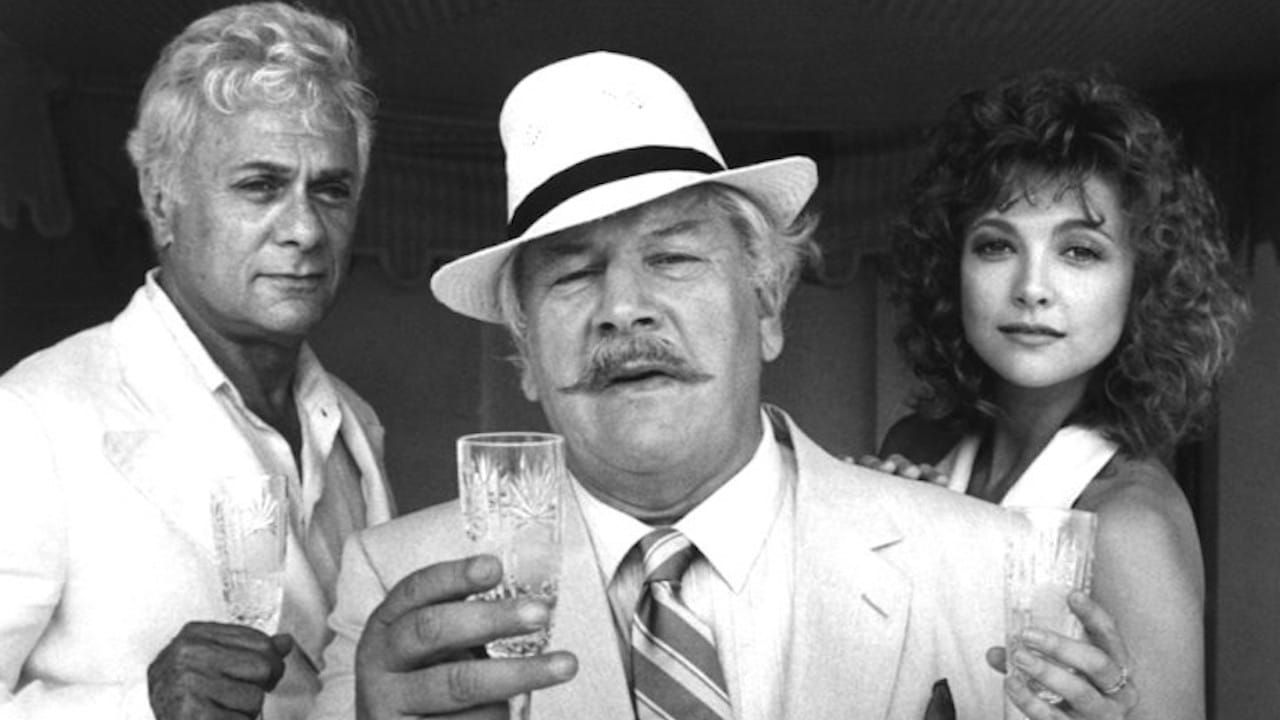
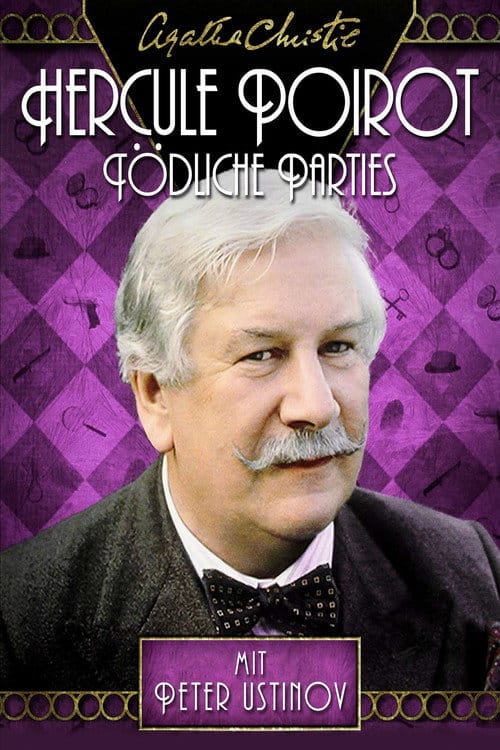
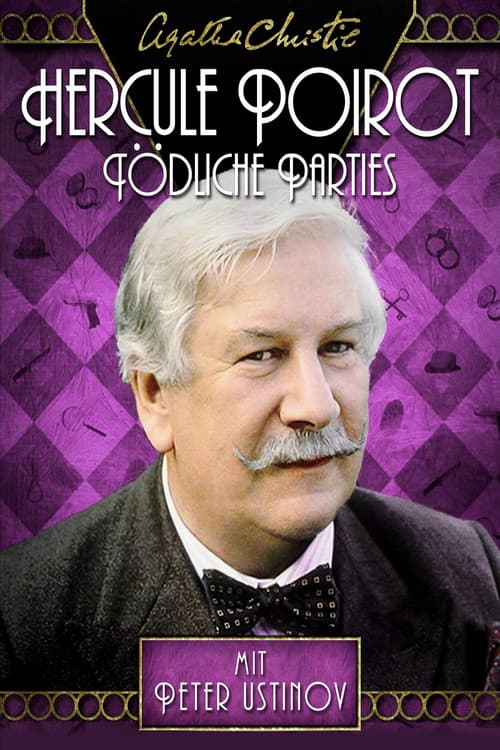
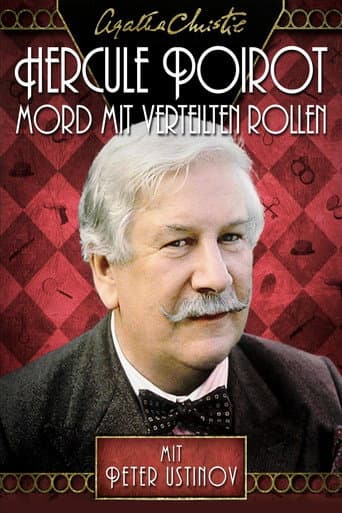
Eigentlich wollte Spürnase Hercule Poirot seine Memoiren zu Papier bringen. Doch dann feiert er lieber mit Filmstar Cartwright in dessen Domizil in Acapulco. Die Partylaune ist dahin, als ein Geistlicher das Zeitliche segnet. Es war kein Infarkt und weitere Morde folgen…
Hauptdarsteller
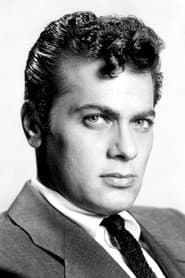

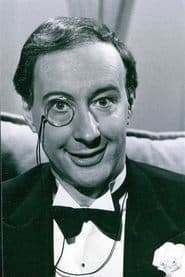
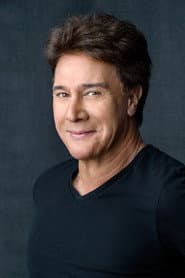
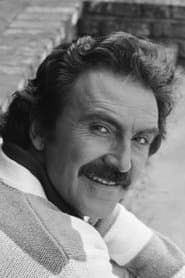

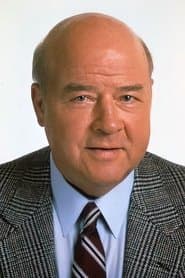

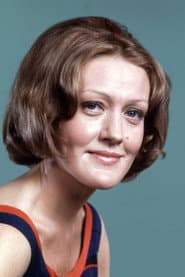
Hercule Poirot (Peter Ustinov) Filmreihe
Mehr wie das
Fata Morgana
1991·6.9
Das Böse unter der Sonne
1982·6.9
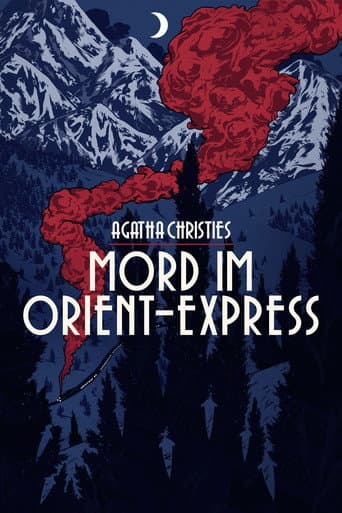
Mord im Orientexpress
1974·7.1
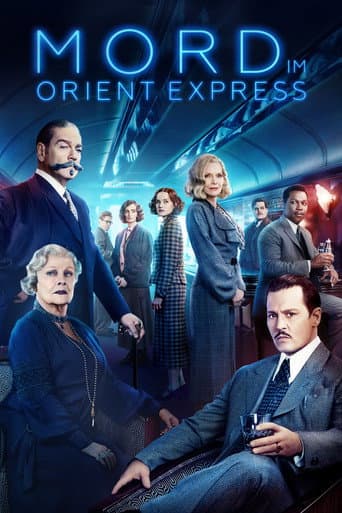
Mord im Orient-Express
2017·6.7
Die Akte
1993·6.6

Tod auf dem Nil
2022·6.4
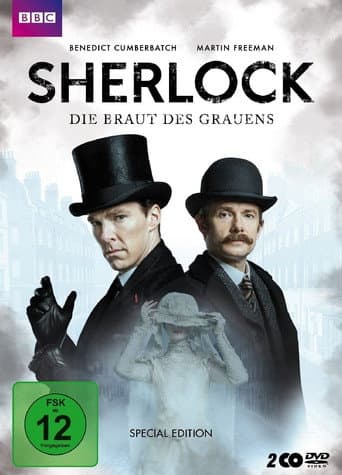
Sherlock - Die Braut des Grauens
2016·7.8
Sherlock Holmes - Spiel im Schatten
2011·7.1

Mord à la carte - Ein angenehmer Ort zum Sterben
2015·6.7
Insomnia - Schlaflos
2002·7.0
Winged Creatures
2009·5.9
Sherlock Holmes
2009·7.2
Communauté
6.4
Note Trakt
122 votes
10
8
9
4
8
13
7
23
6
42
5
22
4
7
3
2
2
1
1
530Spectateurs
3.2KCollectés
482Listes
Avis de la communauté (3)
S
senbaldorVIPCritiqueJun 7, 2026
# Reception and Legacy - Casting Note - Peter Ustinov's return to the role of Poirot - Critique - Praised for chemistry between Ustinov and Tony Curtis - Noted for its deviation from Christie's original novel structure # Themes and Meaning - Identity and Performance - Life as a stage play - The actor's ability to 'play' reality - Evil in Plain Sight - Social status as a shield for criminality - The Perfect Crime - The psychological challenge of committing murder without motive # Cinematography and Production - Visual Style - Televisual aesthetic of the 80s - Opulent settings highlighting class disparity - Composition - Framing scenes like theater stages - Focus on reaction shots during dialogue # Narrative Structure - The Three-Act Structure - The poisoning of Rev. Babbington - The death of Dr. Strange - The final revelation at the party - Narrative Style - Classic Whodunit - Linear investigative progression - Poirot-centric perspective # Character Analysis - Hercule Poirot - Intellectual superiority - Methodical observation - The outsider in high society - Charles Cartwright - The charming stage actor - Master manipulator - Hubris as a fatal flaw - Mr. Satterthwaite - Poirot's observer companion - Represents the audience's viewpoint # Summary Insights - The film uses the metaphor of 'the theater' to reflect the protagonist's sociopathic tendency to view real life as a scripted performance. - Poirot’s character remains static and reliable, acting as a moral anchor against the unstable and performative characters of the high-society suspects. - The absence of a clear motive is the film's most chilling element, shifting the focus from 'why' to 'how', which heightens the intellectual stakes of the investigation. - The dynamic between Satterthwaite and Poirot serves as a meta-commentary on the investigative process, mirroring the author-detective relationship typical of Christie's work.
M
mssrptks★7/10Aug 12, 2025
Ustinov is a wonderful as always, but this was my least favorite of the three made-for-tv Poirot mysteries he's in. The setting was nice.
A
amasulem★6/10Nov 28, 2023
At times holiday brochure, and at others Through the Keyhole, yet it passed the time amicably enough while engaged with another activity. The story creaks a bit, and the performances are sometimes stilted but done with gusto. Sexed up a bit with eye candy. The reveal still done with flourish mind.
Kritiken