Laden...
6.3·2021·98 min·English·Regie Rebecca Hall
Drama
Handlung
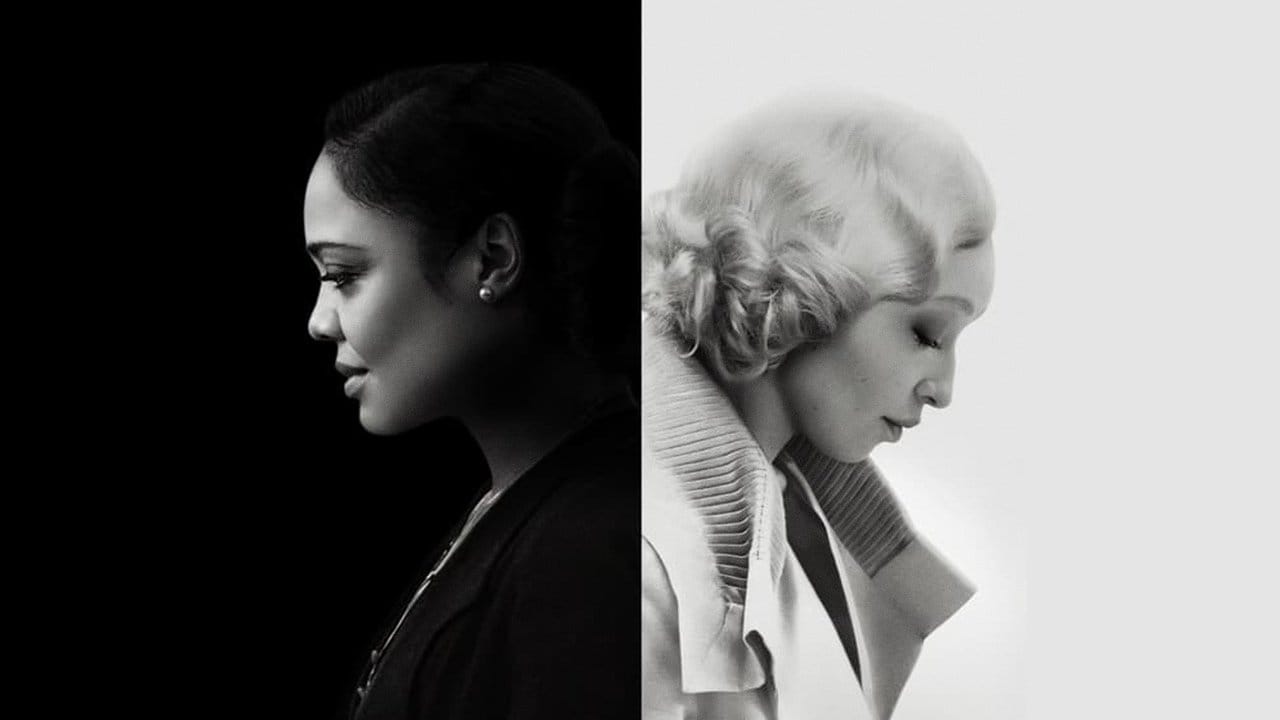
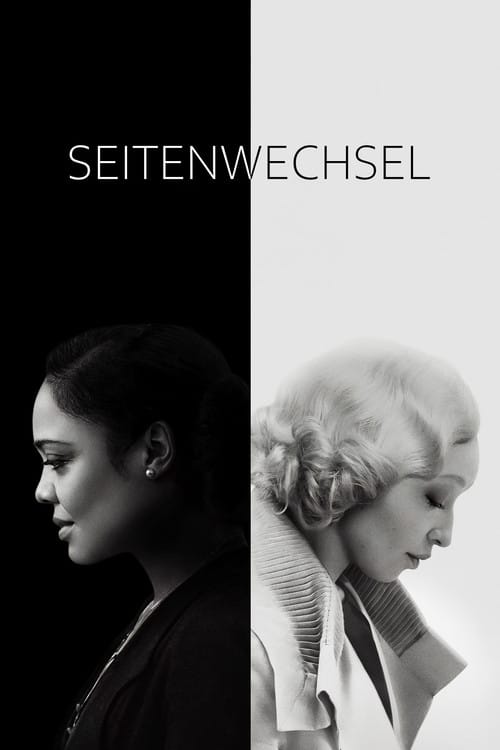
Zwei afroamerikanische Frauen im New York des Jahres 1929 werden aufgrund ihrer hellen Haut für Weiße gehalten. Die eine heiratet einen Afroamerikaner, die andere einen weißen Rassisten aus der Oberschicht.
Hauptdarsteller






Mehr wie das
Ragtime
1981·7.0
Der Tiger von New York
1955·6.3
Das schwankende Schiff
1999·6.5
Eleanor the Great
2025·6.9
The Help
2011·8.2
Like a Complete Unknown
2024·7.1

Gigi & Nate
2022·7.6
21
2008·6.7

Genius - Die tausend Seiten einer Freundschaft
2016·6.5
Das Glück der großen Dinge
2013·7.1
Die Gesandte des Papstes
2024·7.7
Hüter der Erinnerung - The Giver
2014·6.6
Communauté
6.7
Note Trakt
927 votes
10
47
9
55
8
168
7
234
6
288
5
60
4
38
3
17
2
10
1
10
3.0KSpectateurs
22.8KCollectés
3.1KListes
Avis de la communauté (11)
T
The_ArgentinianNov 14, 2021
It's rare seeing an arthouse Netflix original. This is a beautiful film and yes, the ending will be divisive. I still don't know how to feel about it.
♥6
V
Van NyxNov 15, 2021
"We're, all of us, passing for one thing or other." - Irene I felt so conflicted about this film that it took some time to even be able to write a review. The film is good, simultaneously intriguing and frustrating. It is subtle and hopeful, and harsh and crushing in necessary places. As a queer, black person, I felt the weight of racial tension whilst watching, as well as the pressure to "pass" for something western society has deemed acceptable. It's a reminder to some of us that we have to maintain decorum, remain vigilant and make sure there are no cracks... nor that the fragile pot we hold dear doesn't get too close to edge and break the status quo... even if we lie to others (and ourselves) that we didn't actually want the pot anyway... but... rambling... right, yes... the movie is worth the watch. Bittersweet... but worth the watch. Survival of the fittest or something...
♥5
B
birdcages★7/10Nov 14, 2021
for being a directorial debut (on the part of an incredibly talented woman to be fair) this was really solid. i think a lot of people might be unhappy with the unanswered aspects of it, or the lack of clarity or even the decision to film it in black and white and its aspect ratio. however, all of these work together to emphasize the nebulous gray area that being white-passing puts you in. it makes sense given hall's own experiences with racial identity. (if you're like me and didn't know much about her beyond being a great but very british actor: her mother is originally from michigan and her grandfather was a man of color passing as white during his own time, presumed to be african-american and of native american descent.) i think this was written well, directed well, and acted well. the source material is also worth a read. however, i'm white-passing myself (south asian, not bipoc) and i do think that my own experiences are part of why i found the lack of clarity and how much of this movie is open to interpretation to be part of what worked for it.
♥4
J
JC230VIP★8/10Nov 14, 2021
Tessa Thompson and Ruth Negga shine in a film that masterfully illustrates the allure, the burden, and the damage to all of passing. Passing is in the end in the eye of the beholder, what the white eye needs to tell itself to soothe its feelings or desires, and yet we still tear ourselves and each other apart trying to achieve or be in proximity to it.
♥2
P
phv482000★9/10Mar 5, 2022
to the Academy: Where’s Ruth Negga’s Oscars?
♥1
Kritiken