جاري التحميل...
7.7·2025·125 min·English·إخراج كلوي تشاو
درامارومنسيةتاريخ
ملخص
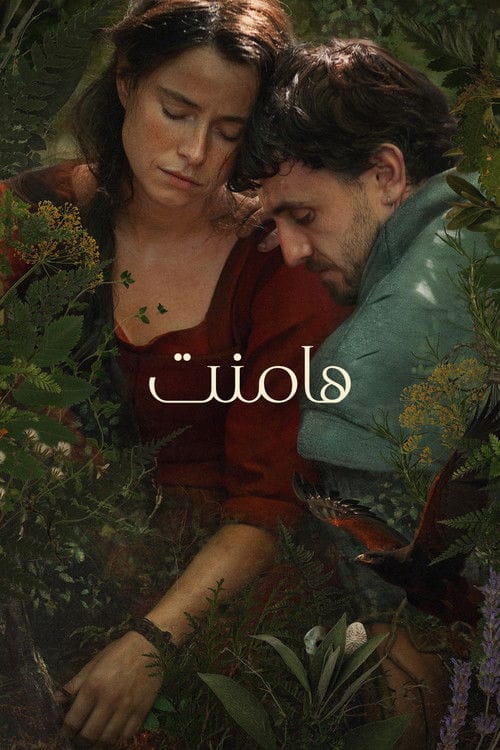
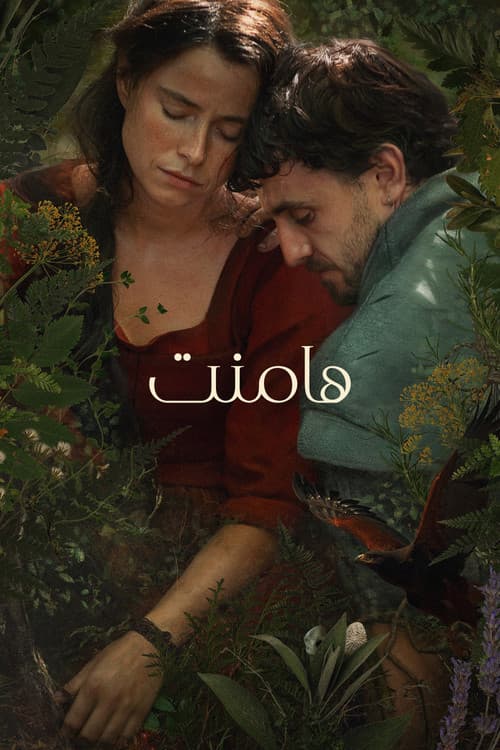
تدور أحداث الفيلم في إنجلترا خلال القرن السادس عشر (عصر النهضة)، وتحديداً في بلدة ستراتفورد. تركز القصة على أغنيس (زوجة ويليام شكسبير) وعلاقتها بزوجها وأطفالها، بعيداً عن أضواء المسرح في لندن.
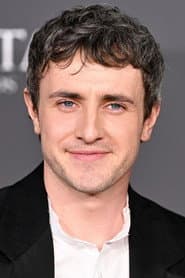
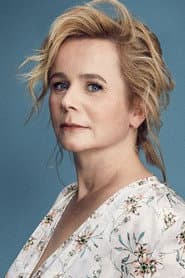
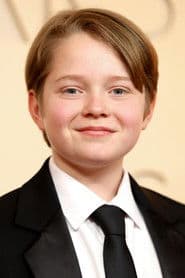
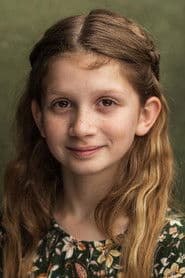
الممثلون الرئيسيون




المزيد مثل هذا
Communauté
8.2
Note Trakt
7.7K votes
10
2.5K
9
837
8
2.2K
7
944
6
732
5
221
4
175
3
27
2
71
1
25
35.7KSpectateurs
17.2KCollectés
17.9KListes
Avis de la communauté (12)
R
RG9400VIPCritique★9/10Dec 5, 2025
I bawled. Grief is such a hard thing to capture and convey in a movie. It's doubly hard when the viewer expects it. I think it's no secret what this movie is about, and a lot of viewers will go into it expecting that moment. For it to work despite those expectations is very impressive. Chloe Zhao's signature bucolic scenery is omnipresent throughout this movie, and there's this dusting of magical realism that gives the movie an almost ethereal feel. However, the real driving force of this movie is Jessie Buckley. Don't get me wrong, Paul Mescal is great as well. However, it is Buckley that is the living, beating heart of this movie, and all Zhao has to do is zoom into her face, and the rest just works. There is a scene where all she is doing is raising her hand to grasp someone, and it broke me. That scene is right up there with some of the best scenes I've seen this year, period. This is a movie about grief, and how we can process and experience it in different ways. I think Zhao and Buckley really capture that theme so poignantly in this movie. I do have one criticism though. The first third of this movie is very slow, and it feels overlong since it's mostly a prologue to the main theme of the movie. I was honestly worried about how I would feel about the movie during this section. Editing it down would have made the movie leaner without losing anything in my opinion. Regardless, this movie hit me hard, so I have to rank it as one of the best movies of the year. I hope Buckley gets her much deserved flowers.
♥19
H
heyflpCritique★10/10Jan 22, 2026
Time, when shaped by loss, stops moving in a straight line and instead folds in on small rituals, habits, and seemingly trivial repetitions. It’s within this quiet accumulation of everyday gestures that affection settles in, laying the groundwork for a pain that doesn’t yet have a face. “Hamnet” operates within that logic, reaffirming Chloé Zhao’s authorial sensitivity, less interested in major events than in the way life pulses before collapse. From its opening minutes, the film presents itself more as a sensory experience than a conventional narrative drama, letting nature, sound, and bodies express emotions that haven’t yet found conscious form. The character of Agnes, played with absolute precision by Jessie Buckley, is the film’s emotional and spiritual axis. Buckley delivers a fully embodied, instinctive performance that never feels calculated. Her Agnes is deeply connected to nature, to her children, and to the unseen, and that bond shows up both in moments of lightness and in moments of extreme pain. Early on, the film suggests she carries a kind of mystical sensitivity, inherited from a female lineage tied to the land, and Buckley translates that through remarkable physical work: the way she breathes, moves through the forest, or retreats into silence communicates as much as any line of dialogue. When tragedy finally takes hold, her pain isn’t abstract or symbolic, it’s visceral, raw, and impossible to ignore. Paul Mescal, as Will, serves as a delicate emotional counterpoint to Agnes’ intensity. His performance avoids excess, leaning instead into restraint, which fits a man who internalizes grief and turns to artistic creation as a way to organize chaos. The relationship between Agnes and Will is built with touching naturalism, marked by complicity, desire, and everyday affection, which makes the silent chasm opened by loss between them even more painful. Zhao films this distance without didacticism, allowing the audience to sense the cracks through absences, missed glances, and conversations that trail off unfinished. Technically, “Hamnet” is strikingly refined. Łukasz Żal’s cinematography creates images that feel suspended between the real and the dreamlike, using wide frames and gentle camera movements to merge the characters with the landscape, as if they were extensions of that space. Max Richter’s score enters in an ethereal way, reinforcing emotion without ever feeling manipulative, while Johnnie Burn’s sound design adds sensory layers that deepen the emotional experience. Everything works together to create a sense of suspension, as if time itself were elastic and memory constantly folding back on itself. The way Zhao connects Hamnet’s death (Jacobi Jupe) to the artistic birth of “Hamlet” is handled with sensitivity and restraint, avoiding the trap of turning that link into a simple biographical explanation. The film suggests that art is born from pain, but also from the need to understand what can’t be understood. The staging of the play within the narrative becomes a moment of quiet catharsis, especially as Agnes slowly begins to grasp what’s being shaped in front of her. It’s not an explosive revelation, but a gradual, intimate recognition that redefines loss without ever erasing it. Overall, “Hamnet” is a film about grief, but also about Endurance, about how love doesn’t disappear with death, it simply changes form. Chloé Zhao delivers a deeply human work that trusts the power of images, bodies, and silence, and finds in Jessie Buckley a performer capable of carrying all that emotional weight with honesty and intensity. It’s not a film that tries to force tears, but one that lingers after the credits roll, planting reflections that return like a memory that won’t let go: painful, beautiful, and impossible to forget.
♥11
F
fasterfilmcritic★8/10Dec 28, 2025
Jessie Buckley may be one of the greatest actresses in Hollywood today. She is captivating, transformative, and electric. Hamnet is emotionally effective because of her performance. Every actor in this film puts their all on screen, and the end result is powerful.
♥11
M
mroffbeatVIP★10/10Jan 29, 2026
“Tell me a story that moves me”… well, here we go: it moved me very much, my emotional blockage gone! Crying in the dark at the cinema, cheaper than therapy, and a beautiful ending ❤❤❤
♥7
A
andynickVIP★2/10Jan 24, 2026
I found this extremely dull. I felt the scenes didn’t connect together very well and the large time jumps made me care very little about any of the characters. There’s little I despise more than Shakespearean dialogue, so when that started turning up towards the end, I gratefully fell asleep and missed a chunk of it. I usually like Jessie Buckley, but unless her acting awards are due to the bit I missed, I don’t see what the fuss is about here.
♥7
reviews