جاري التحميل...
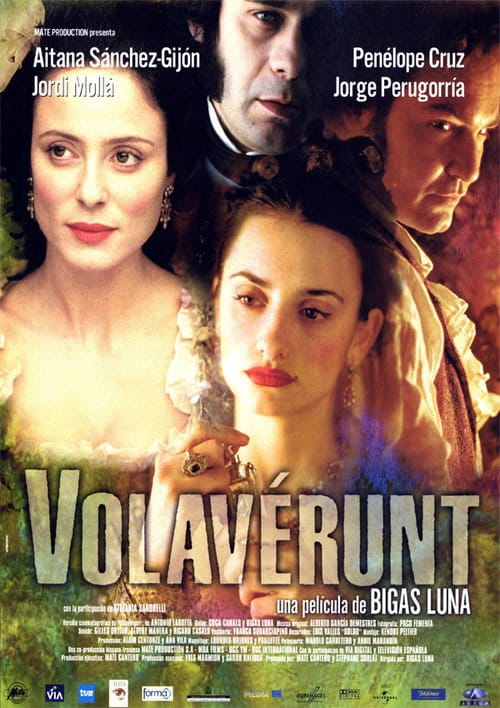
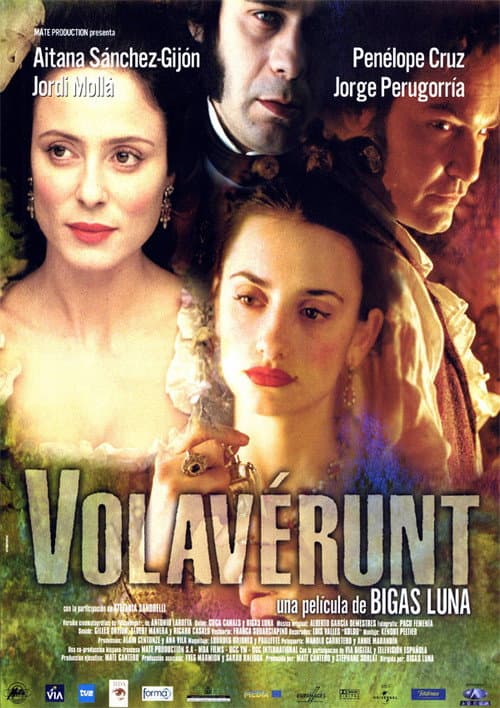
5.9·1999·118 min·Español·إخراج Bigas Luna
دراما
الممثلون الرئيسيون
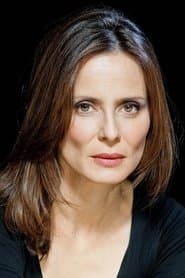
Aitana Sánchez-Gijón
Cayetana, Duquesa de Alba
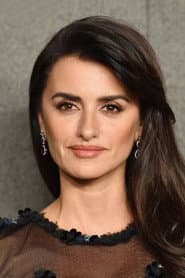
بينيلوبي كروز
Pepita Tudó "la Maja"
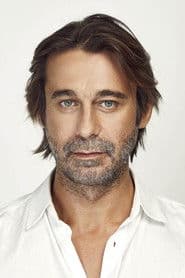
Jordi Mollà
Don Manuel de Godoy "Príncipe de la Paz"
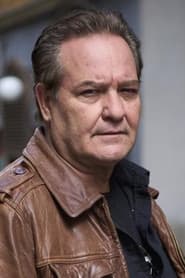
Jorge Perugorría
Don Francisco Goya y Lucientes
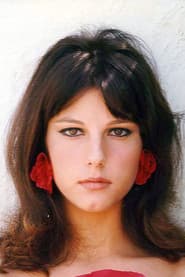
Stefania Sandrelli
Reina María Luisa de Parma
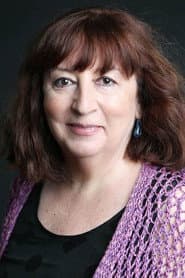
Empar Ferrer
Catalina Barajas
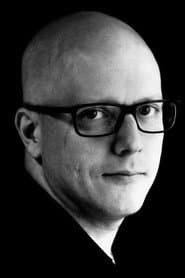
Zoe Berriatúa
Príncipe Fernando
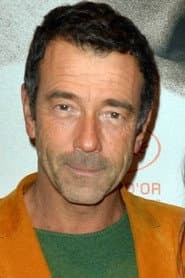
Jean-Marie Juan
Pignatelli
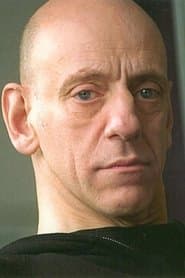
Olivier Achard
Grognard
Fermí Reixach
Cardenal
المزيد مثل هذا


Communauté
6.6
Note Trakt
50 votes
10
5
9
5
8
11
7
5
6
8
5
6
4
5
3
2
2
3
1
134Spectateurs
191Collectés
179Listes
Avis de la communauté (1)
G
gustvCritiqueJul 6, 2025
Volavérunt is a visual and sensorial experience that captivated me from the very first minutes. The magnetic presence of Aitana Sánchez-Gijón as Cayetana, the Duchess of Alba, dominates the screen with a gaze that speaks far more than any line of dialogue. She is absolutely resplendent. The film does not merely depict a historical period—it meticulously recreates it. The costumes are true works of art, museum-worthy, and the period reconstruction is splendid, immersing the viewer in a world of pomp, decadence, and intrigue. Alongside Aitana, Penélope Cruz’s performance as Pepita Tudó stands out. There is in her a magnetic beauty and a charisma that go beyond mere seduction. Penélope crafts a character that blends lightness and cunning, sensuality and ambition, with a presence that illuminates every scene she’s in—even when the character moves within the shadows of power. Here, the feminine is not only protagonist but also a tool of contest and power. The way the narrative explores the political use of the female body and image—especially through characters like Cayetana and Pepita—reveals complex layers of desire, manipulation, and resistance. The unforgettable dance competition between the two is emblematic in this regard. More than a simple display of charm, it becomes a silent duel between two women fully aware of their own power, vying for attention, desire, and space within a court where everything is appearance and strategy. The framing has an almost painterly quality, more concerned with visual force than with naturalistic staging—it's as if the camera is constantly seeking images that evoke the theatricality, ambiguity, and emotional tension of Goya’s works. Volavérunt is, therefore, not merely a period portrait, but an invitation to reflect on the power of perception and existence in a world of appearances. Although the film features historically important male figures such as Goya, Godoy, and Ferdinand VII, they come across as muted when compared to the female protagonism. I find myself wondering whether this was a deliberate choice to emphasize the women's space within the narrative. If so, it’s an intriguing move—even if, at times, it seems to underuse the dramatic potential of those men. And of course, there’s no shortage of courtly intrigue. Conspiracies, betrayals, hidden desires—it’s all there, delivered with taste and elegance. [spoiler]The film’s ending offers no answers—but it doesn’t need to.[/spoiler] It plunges us into a time and a game where what truly matters is how one observes, how one desires, how one survives. And that, the film achieves masterfully.
المراجعات