جاري التحميل...
7.1·2005·85 min·English·إخراج Steve Box
مغامرةرسوم متحركةكوميدياعائلي
ملخص
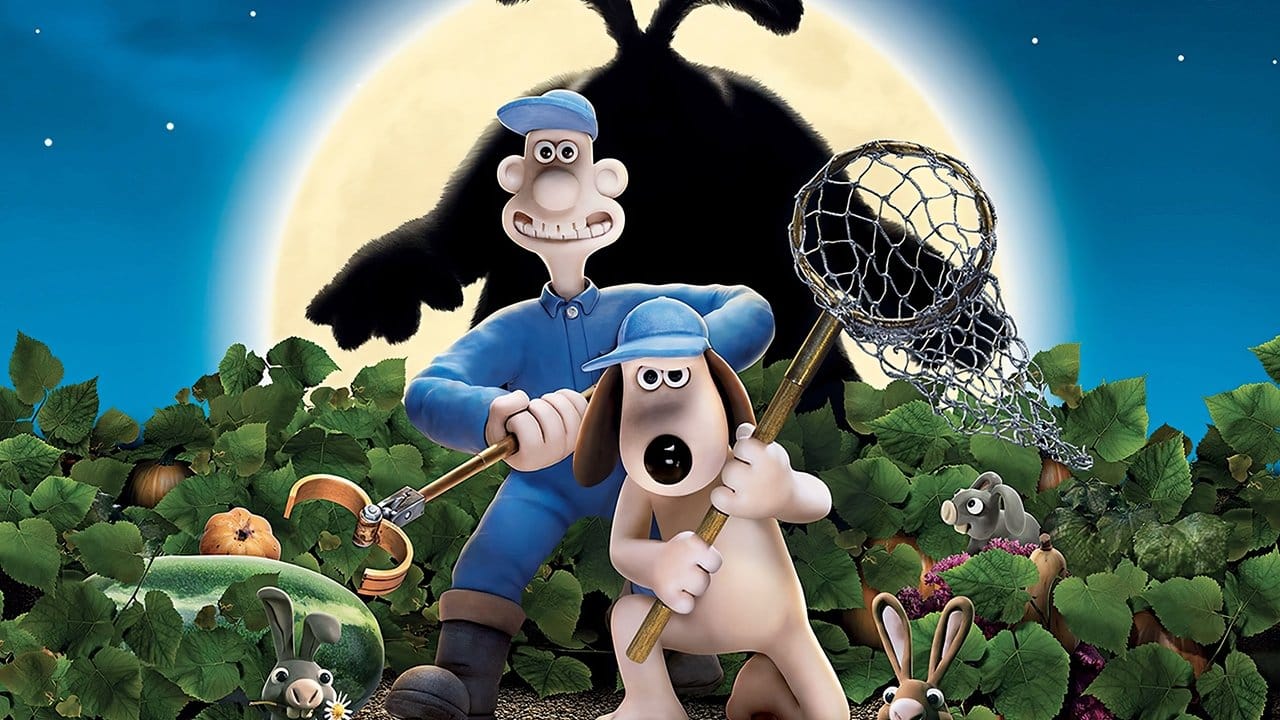
ينطلق والاس وكلبه الوفي، جروميت، لاكتشاف اللغز الكامن وراء تخريب الحديقة الذي يبتلي قريتهم ويهدد مسابقة زراعة الخضراوات العملاقة السنوية.
الممثلون الرئيسيون

Peter Sallis
Wallace / Hutch (voice)

رالف فاينس
Victor Quartermaine (voice)

Helena Bonham Carter
Lady Campanula Tottington (voice)

بيتر كاي
PC Mackintosh (voice)

Nicholas Smith
Reverend Clement Hedges (voice)

Liz Smith
Mrs. Mulch (voice)

John Thomson
Mr. Windfall (voice)

مارك جاتس
Miss Blight (voice)

Vincent Ebrahim
Mr. Caliche (voice)

Geraldine McEwan
Miss Thripp (voice)
المزيد مثل هذا

Communauté
7.5
Note Trakt
4.6K votes
10
605
9
376
8
1.3K
7
1.3K
6
627
5
131
4
92
3
37
2
32
1
45
19.3KSpectateurs
112.8KCollectés
8.0KListes
Avis de la communauté (6)
H
HeronAnc★7/10Jun 28, 2024
I thought the way they use the stop-motion is very creative and contributes in the typically British humour of the animation. Besides, I liked how they referencie a lot of movies during the movie.
♥2
Z
zxkiVIP★9/10Aug 12, 2025
Loved it as a kid, and still love it 20 years on. Everything from the childish jokes, surreal sequences, colourful characters, thrilling storylines, and enigmatic themes. It all still holds up to the test of time. I had no idea how loaded the cast was, from the main man himself, Peter Salis, to British icons like Peter Kay, Helena Bonham Carter, and Ralph Fiennes. Peak voice acting, but the animation somehow takes it even higher. I can't wrap my head around how it's even possible to create a whole feature film from clay using stop-motion, but it's insane. As well as cheese, W&G is probably one of the best things to come out of Lancashire, well and truly putting us on the map.
♥1
H
heyflpCritique★10/10Feb 6, 2025
Few animated characters are as charismatic and downright irresistible as Wallace and Gromit. There’s something timeless and universal about them—a perfect blend of quirky British humor and the inventiveness of stop-motion that makes them truly one of a kind. “Wallace & Gromit: The Curse of the Were-Rabbit” is the kind of film that encapsulates everything that makes these characters so special, taking their formula to a whole new level without losing an ounce of their charm. With a delightfully absurd storyline, humor that works for all ages, and meticulous animation that radiates love in every frame, the film stands as one of the greatest achievements in stop-motion history. The plot kicks off with a concept as bizarre as it is brilliant: Wallace (Peter Sallis) and Gromit now run Anti-Pesto, a service dedicated to protecting vegetable gardens from hungry rabbits—always in the most humane way possible, of course. Instead of exterminating them, they vacuum them up into an improvised bunny shelter using Wallace’s latest invention, the Bun-Vac 6000, a device that is as ingenious as it is prone to malfunction (like all of Wallace’s contraptions). The trouble begins when a colossal creature, the legendary Were-Rabbit starts terrorizing the town, threatening to devour the prized giant vegetables ahead of the annual competition hosted by the aristocratic Lady Tottington (Helena Bonham Carter). Meanwhile, the snobbish and brutish Lord Victor Quartermaine (Ralph Fiennes), an unscrupulous hunter, sees the chaos as his golden opportunity to get rid of Anti-Pesto and win over Lady Tottington. And, as always, Gromit finds himself cleaning up the mess left by his well-meaning but hopelessly clumsy owner. What makes the film work so well is how it layers its comedy. The physical humor, a staple of stop-motion animation, is present in every scene with the kind of precision you’d expect from a classic Chaplin or Keaton routine—Gromit, in particular, doesn’t need a single word to be one of the most expressive characters in cinema. But beyond the slapstick, there’s also razor-sharp verbal humor, full of puns and subtle references, especially in the delightfully theatrical dialogue that captures the charm of Britain’s most eccentric productions. Classic horror fans will love the nods to “The Wolf Man” (1941) and other monster movies, while younger audiences will have a blast with the characters’ antics and the countless visual gags cleverly hidden in the background. The stop-motion animation, meanwhile, is a spectacle in its own right. In an era dominated by CGI, Nick Park and the Aardman team doubled down on the magic of handcrafted Plasticine, where every expression, every set, and every tiny detail is the result of painstaking craftsmanship. The beauty of stop-motion isn’t just in the technique—it’s in the personality it brings to the screen. There’s a tangible texture to it, a sense that these characters truly exist in their meticulously built world. And what’s even more impressive is how, despite their commitment to traditional animation, the film seamlessly incorporates subtle CGI touches in certain moments without ever compromising its signature look. Beyond the technical brilliance, “The Curse of the Were-Rabbit” shines because of its heart. At its core is the friendship that has always been the franchise’s backbone: Wallace, the ever-optimistic inventor, and Gromit, his ever-exasperated yet fiercely loyal dog. The contrast between Wallace’s naive enthusiasm and Gromit’s weary, knowing glances fuels some of the film’s funniest moments, but it also underscores the deep affection between them. There’s something profoundly endearing about their dynamic—no matter how much of a disaster Wallace might be, and no matter how much work Gromit has to do to keep things from falling apart, there’s an unspoken mutual admiration that makes their relationship more than just comedic—it’s genuinely touching. All in all, “Wallace & Gromit: The Curse of the Were-Rabbit” is a rare kind of film—one that manages to be clever, hilarious, and visually enchanting all at once. It respects its audience, no matter their age, delivering sophisticated humor without ever losing its lighthearted charm. It’s an animation that draws from classic cinematic traditions yet remains fresh and vibrant to this day. Whether it’s the sharp wit, the technical brilliance of its stop-motion, or simply the sheer charm of its protagonists, this is one of those films that only gets better with time—and, like any great Wallace and Gromit adventure, leaves a smile on your face from start to finish.
♥1
2
2Ls1TVIP★9/10Jan 14, 2023
Like with all Aardman productions, just a delightful film.
C
CinemanicBonkers★6/10Aug 16, 2016
Eat your vegs every night or the veg ravaging rabbit monster will eat you. This film was bunny.. i mean funny, hopper of a film it was :P 6/10
reviews