جاري التحميل...

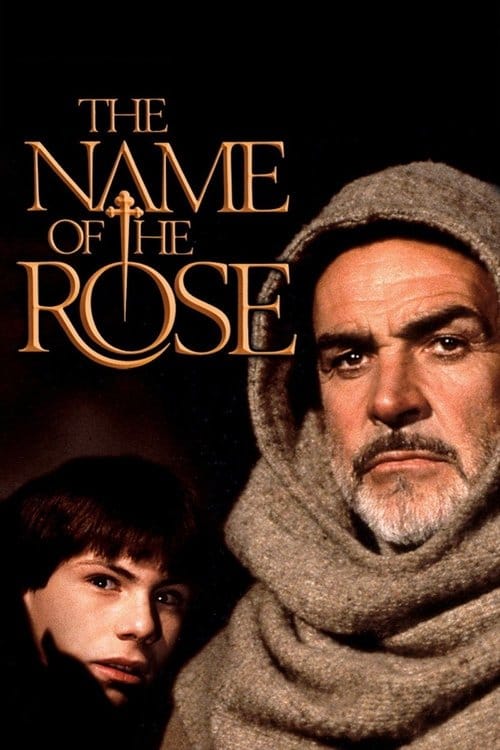
7.5·1986·130 min·English·إخراج Jean-Jacques Annaud
من بسم الله ينجو من القتل؟
دراماإثارةغموض
ملخص
يصل الراهب الفرنسيسكاني ويليام باسكرفيل من القرن الرابع عشر وصغيره المبتدئ إلى مؤتمر ليجدوا أن العديد من الرهبان قد قُتلوا في ظروف غامضة. لحل الجرائم ، يجب على ويليام أن ينتفض ضد سلطة الكنيسة ويحارب المؤامرة الغامضة لرهبان الأديرة باستخدام ذكائه فقط - وهو أمر كبير.
الممثلون الرئيسيون








المزيد مثل هذا







Communauté
7.8
Note Trakt
4.1K votes
10
630
9
490
8
1.4K
7
992
6
385
5
85
4
64
3
20
2
31
1
22
14.3KSpectateurs
103.6KCollectés
7.4KListes
Avis de la communauté (12)
S
Skythe★10/10Sep 10, 2022
Mysterious murders, religious fanatics, dark conspiracies, historical plots, intriguing characters, good acting, awesome camera work and audio - this movie has it all. One of my favourite movies of all time, this is what a historical thriller should be like. Masterpiece.
♥2
D
Draackje★8/10May 3, 2011
An exciting detective story that had me guessing until the end, set in a very eery environment and time that got me sitting on the edge of my seat, a great take on universal morals like truth and love, and of course the idea that 'this might have happened for real' to top it all off. However: you need to be in the right mood to watch this, since it's a bit more than just mindless entertainment. First time I've seen it and in my mind already a timeless classic!
♥2
W
Warden1VIPCritique★6/10Jul 1, 2022
This could have been really good. An interesting beginning mystery and investigation, a little nice atmosphere inside the monastery and seeing what's going on, with the the mystery deepening a little over time. The protagonist is intelligent and thoughtful, and he's helping to guide an apprentice. There's a bit of discussion about religious beliefs. Nice subtle music. It feels like a well-made film in regards to the cinematopgraphy and does not look or feel old. And then the story drops like a stone. And the answer to the mystery is really bad... [spoiler] The killings were by an old guy... Because of a comedy book?! [/spoiler] It's very bad and one of the worst ways i can think of to resolve a mystery like this. It's not deep or interesting or fulfilled any scrap of potential. [spoiler] Such as, maybe the killings were something lovecraftian related. Or a clever serial killer. Or just some other reason normal or not, but at least not an old guy killing because he didn't want people reading a comedy book... [/spoiler] [spoiler] And to anyone reading this who hasn't seen the film, it's because this is the 1300s, the monk doesn't want people reading a comedy book because he says it's not good for them. That's it. [/spoiler]
♥1
M
Maarten Delfgou★8/10Mar 24, 2022
The original title of the film is Der Name der Rose.
♥1
S
senbaldorVIPCritique★9/10Jun 6, 2026
# Historical Context - Setting - 14th-century Italy - Avignon Papacy vs. Holy Roman Emperor - Inquisition and heresy trials # Themes and Symbolism - Metaphors - The Labyrinth Library: Knowledge as a trap/maze - Laughter: The subversive power of truth - The Book: Aristotelian 'Poetics' as the catalyst of fear # Cinematography and Sound - Visual Style - Chiaroscuro lighting - Emphasis on the claustrophobic stone architecture - Cold, earthen color palette - Atmosphere - Gregorian chants and dissonant liturgical music - Auditory focus on the weight of religious silence # Narrative Structure - Plot Mechanics - Whodunit mystery structure - Theological debate as sub-plot - Chronicle format (Adso’s retrospective narration) - Core Conflicts - Faith vs. Reason - Ecclesiastical power vs. Poverty - Literalism vs. Interpretation # Character Analysis - William of Baskerville - Rationalist archetype (Holmesian) - Advocate of empirical observation - Conflict between inquisitorial past and reformist present - Jorge of Burgos - Antagonist as a defender of absolute dogma - Fear of the transformative power of laughter # Summary Insights - The film posits that the greatest threat to dogmatic power is not necessarily heresy, but the democratization of knowledge through laughter and the questioning of absolute truths. - William of Baskerville serves as a bridge between medieval scholasticism and the nascent Renaissance spirit of scientific inquiry. - The 'Name' of the rose refers to the idea that names and language are all that remain once a thing has perished, highlighting the nominalist philosophical debate central to the era. - The library is portrayed as a fortress of gatekept information, reflecting the tension between the preservation of history and the fear of information's revolutionary potential.
المراجعات