جاري التحميل...
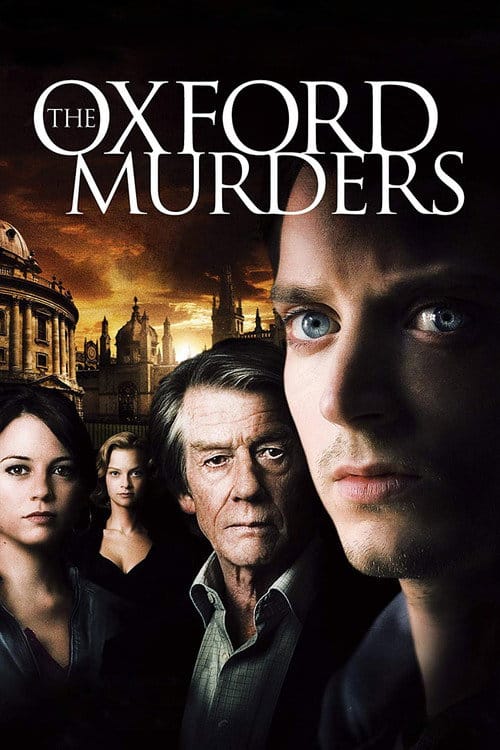
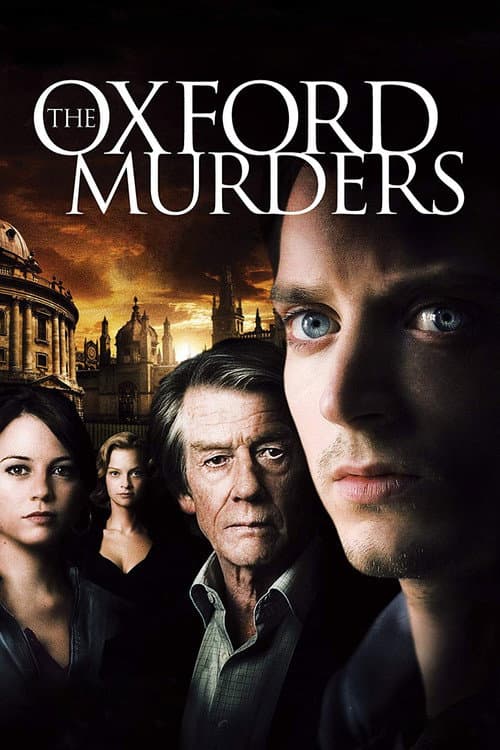
6.0·2008·107 min·English·إخراج أليكس دي لا إغليسيا
جريمةغموضإثارة
الممثلون الرئيسيون









المزيد مثل هذا








Communauté
6.2
Note Trakt
1.0K votes
10
50
9
24
8
144
7
213
6
324
5
106
4
82
3
21
2
27
1
28
3.1KSpectateurs
26.1KCollectés
1.3KListes
Avis de la communauté (3)
S
senbaldorVIPCritique★6/10Jun 7, 2026
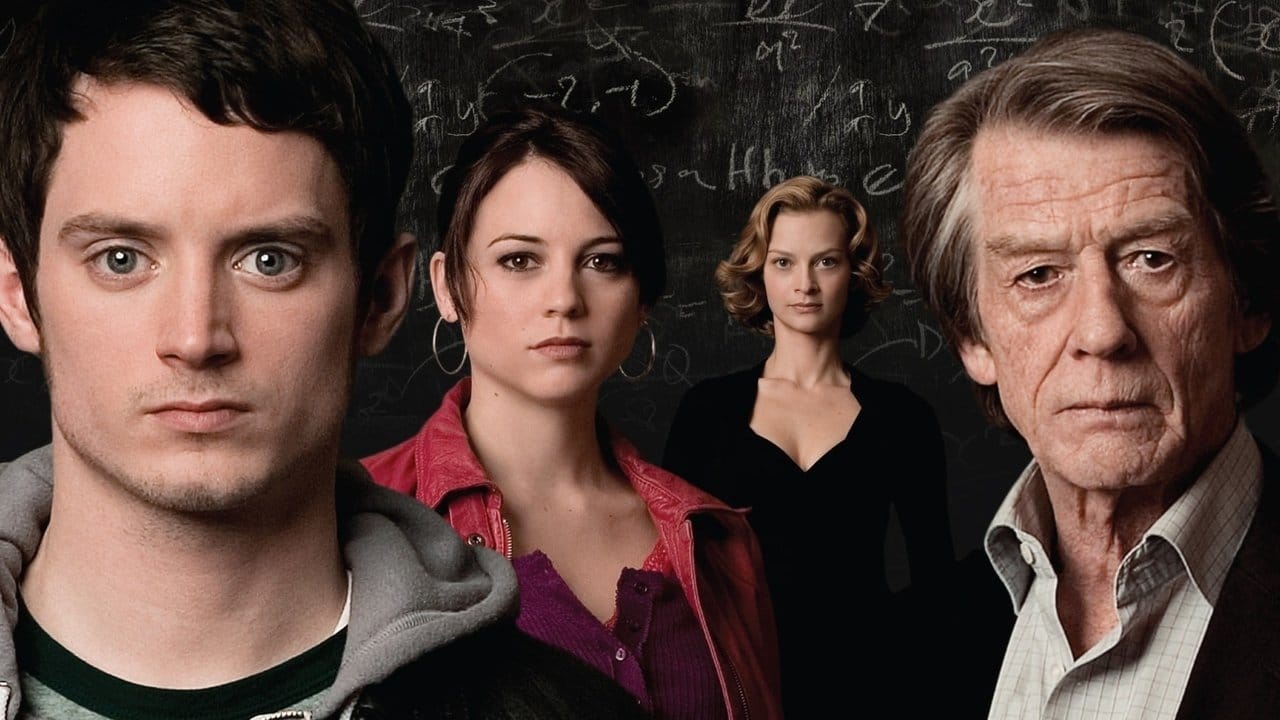
# Context & Reception - Cultural Impact - Adaptation of Guillermo Martínez's novel - Exploration of the 'Academia Thriller' genre sub-set - Critical divide between plot logic and philosophical depth # Themes and Philosophy - The Illusion of Order - The absurdity of seeking patterns in a chaotic universe - The fragility of truth in the face of 'the perfect crime' - Wittgensteinian influence: Language and logic as boundaries of reality # Cinematography & Aesthetics - Visual Language - Oxford campus architecture as a labyrinthine, sterile environment - Cold color palette emphasizing intellectual distance - Geometric framing reflecting the obsession with mathematical series # Narrative Structure - Plot Mechanics - Classic whodunit structure fused with philosophical inquiry - Recursive narrative arc: The solution to the case relies on the student's own intellectual arrogance - Non-linear revelation of motive vs. action # Character Analysis - Martin (The Student) - Motivated by a desire to impress his idol - Transformation from observer to active participant - The embodiment of modern hubris - Arthur Seldom (The Professor) - Mentor figure with a cynical worldview - Represents the intersection of academia and mortality - Calculated manipulation of the narrative # Summary Insights - The film serves as a critique of the 'intellectual ego,' suggesting that logic is often used to justify irrational human desires. - The 'sequence' of murders is revealed to be a Red Herring, highlighting that the human tendency to find patterns can blind us to the randomness of evil. - There is a meta-thematic connection between the audience's desire for a logical ending and the characters' desire for a logical culprit; both are eventually denied satisfaction. - The film employs mathematical theories (Pythagoras, Gödel's Incompleteness) not just as props, but as structural metaphors for the limitations of human knowledge.
S
Spiritualized Kaos★8/10Nov 16, 2025
J
jekyl6669★6/10May 25, 2025
Although it's pretty tame by Arturo Pérez-Reverte and his frequent collaborator Agustín Díaz Yanes' usual standards, The Oxford Murders (based on the novel by Guillermo Martínez) still manages to be a decent little thriller. The film, which follows a mathematics student and a philosophy professor as they investigate a series of murders in Oxford, offers a compelling mystery with a strong intellectual bent. While fans of Iglesias's more intense works might find it a bit subdued, its clever plot and engaging characters make for an enjoyable, albeit less visceral, experience.
المراجعات