Chargement...
6.9·2022·107 min·fa·Réalisé par Jafar Panahi
DrameRomance
Synopsis
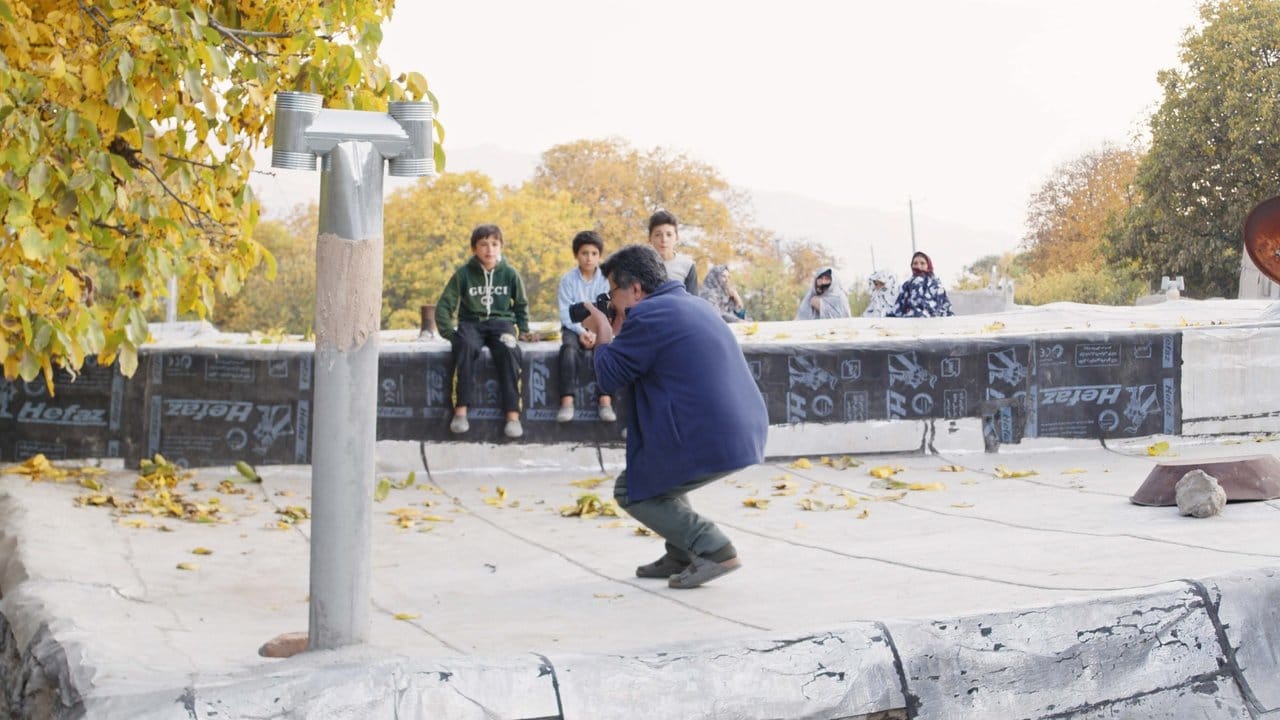
Dans un village iranien proche de la frontière, un metteur en scène est témoin d’une histoire d’amour tandis qu’il en filme une autre. La tradition et la politique auront-elles raison des deux ?
Acteurs principaux
Plus comme ça
Les Liens Sacrés
2009·6.3

Forever First Love
2020·7.0
Life in a Year
2020·8.2
L'Homme à la peau de serpent
1960·6.9
Ali and Nino
2016·6.5
Departure
2016·6.3
Love Everlasting
2016·7.4
Liaisons interdites
2012·6.3
A Perfect Ending
2012·6.2
L'engrenage de l'anorexie
2014·6.5
Le Mouchoir jaune
2009·6.3
Amour interdit
2003·6.6
Communauté
7.1
Note Trakt
202 votes
10
12
9
22
8
56
7
47
6
37
5
18
4
7
3
2
1
1
2
505Spectateurs
10.0KCollectés
977Listes
Avis de la communauté (2)
S
Saint Pauly★5/10Nov 28, 2022
Like those who've never perused the novel Brie Larson's movie was based on, some Iranian filmmakers need to read the room. I have nothing against Iranian filmmaker Jafar Panahi. He's been persecuted for his political beliefs, was arrested, and is still now under 'house arrest' (though he's permitted to travel around Iran). What I find harder to accept is that when living in a country where women and children are being murdered for protesting, he's decided to make a movie about how inconvenient the government makes it for him to make a movie. Yes, No Bears was made before the murder of Mahsa Amini for improperly wearing her hijab but so was the recent Until Tomorrow, a film that had no problems denouncing the treatment of women by the Iranian government (though, it must be said, was made outside of Iran, unlike No Bears). What it comes down to is that I'm less interested in seeing Mr Panahi's life played out on screen than he himself is.
♥2
J
jeroenvanstrien★7/10Mar 9, 2023
The movie needs to get going for a while before it gets really interesting. Jafar Panahi is of course a hero that he keeps making movies like this. The end of the film is really intense, knowing that Panahi was really arrested not long after.
♥1
Avis