Chargement...
7.0·2021·83 min·sq·Réalisé par Blerta Basholli
Drame
Synopsis
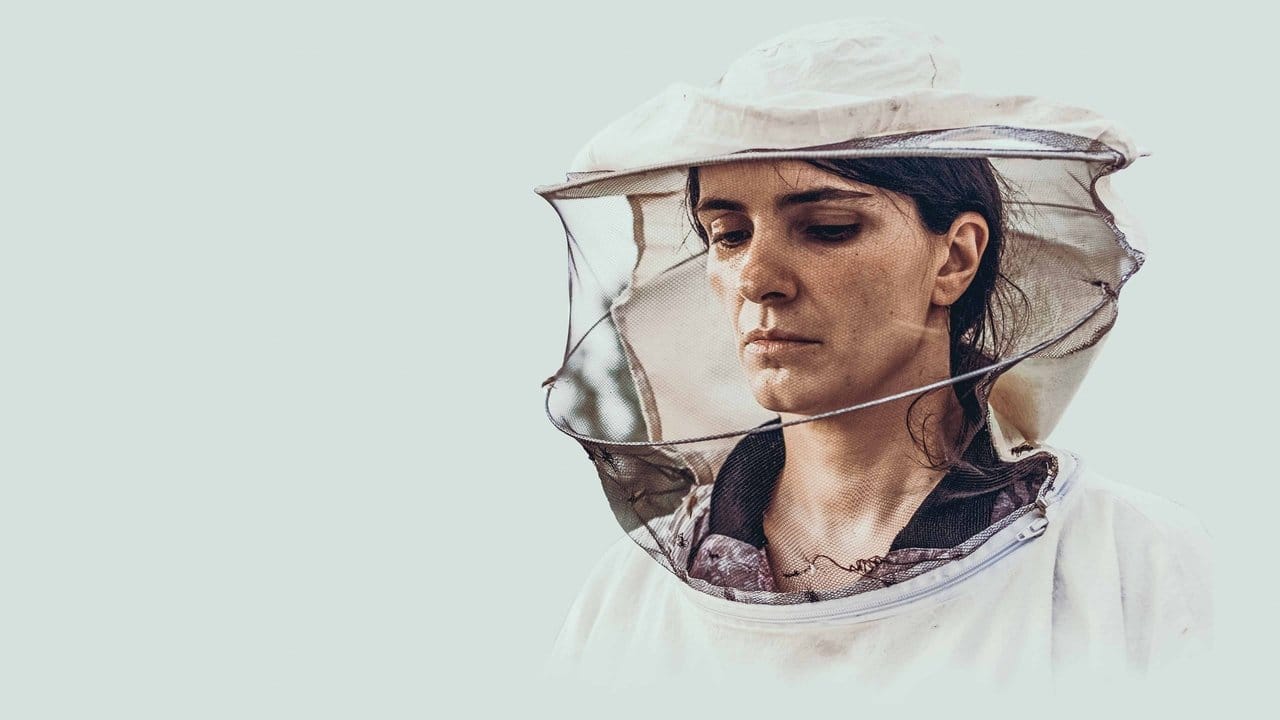
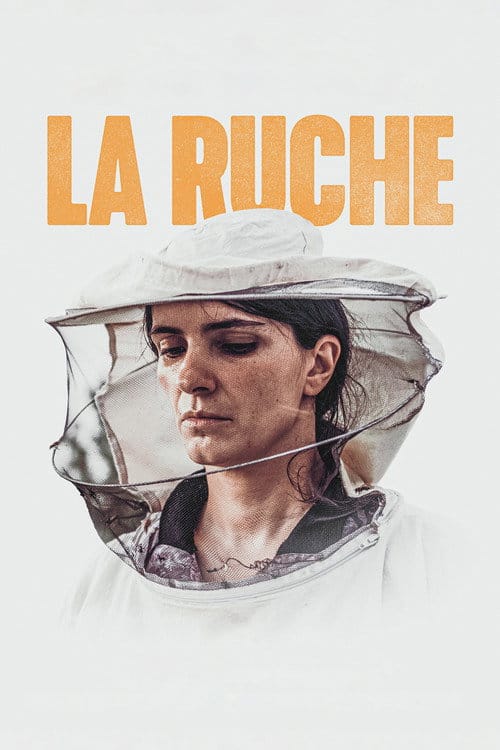
Le mari de Fahrije est porté disparu depuis la guerre du Kosovo. Outre ce deuil, sa famille est également confrontée à d’importantes difficultés financières. Pour pouvoir subvenir à leurs besoins, Fahrije a lancé une petite entreprise agricole. Mais, dans le village traditionnel patriarcal où elle habite, son ambition et ses initiatives pour évoluer avec d’autres femmes ne sont pas vues d’un bon œil. Fahrije lutte non seulement pour faire vivre sa famille mais également contre une communauté hostile, qui cherche à la faire échouer.
Acteurs principaux




Plus comme ça
Communauté
6.9
Note Trakt
175 votes
10
14
9
7
8
33
7
70
6
30
5
8
4
7
3
2
1
6
412Spectateurs
11.8KCollectés
610Listes
Avis de la communauté (2)
M
miguelreina★8/10Dec 24, 2021
The closeness of the camera proposes an empathy with Fahrije, a kind of Anna Magnani of the Balkans, the queen bee who tries to rebuild her future without forgetting the past. The absence of men is almost as oppressive as their presence. The director uses simple but very effective elements, telling a moving story avoiding drama. And she achieves one of the strongest representations of the aftermath of war.
♥3
S
Saint Pauly★6/10Jun 6, 2022
Like trying to scratch your foot with your shoes on, the desire is there but the feeling is too desensitized to be effective. Hive is the true story of a Kosovar woman whose husband goes missing during a massacre in the Kosovo war (1998-1999), and finds herself forced to pick up the pieces of her life in a society that frowns on women picking up the pieces of their lives. While I find the story fascinating, heartbreaking and inspiring, I find the film a little too restrained because in its restraint, it short changes Fahrije and her journey. [Note: On January 31, 2021 Hive became the first film in Sundance history to win all three main awards – the Grand Jury Prize, the Audience Award and the Directing Award – in the World Cinema Dramatic Competition, so what the fuck do I know?]
♥1
Avis