Chargement...
8.4·1960·109 min·English·Réalisé par Alfred Hitchcock
Une nouvelle et tout à fait différente expérience à l'écran !
HorreurThrillerMystère
Synopsis
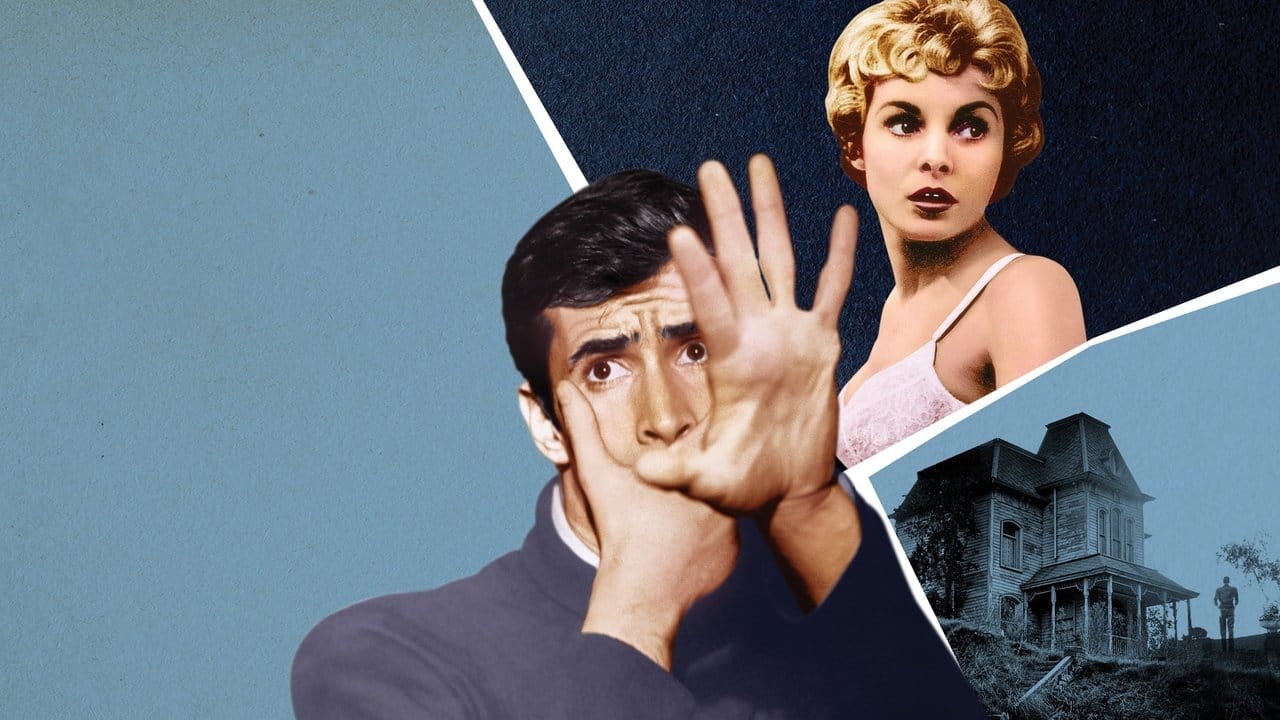
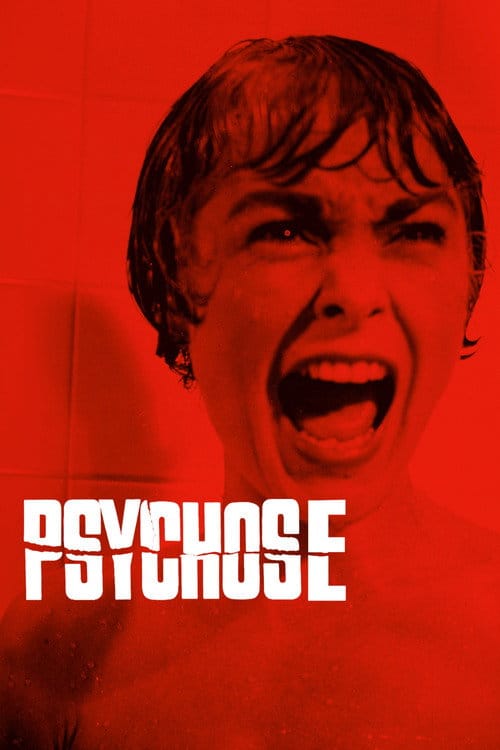
Marion Crane en a assez de ne pouvoir mener sa vie comme elle l'entend. Son travail ne la passionne plus, son amant ne peut l'épouser car il doit verser une énorme pension alimentaire le laissant sans le sou… Mais un beau jour, son patron lui demande de déposer 40 000 dollars à la banque. La tentation est trop grande, et Marion s'enfuit avec l'argent. Très vite la panique commence à se faire sentir. Partagée entre l'angoisse de se faire prendre et l'excitation de mener une nouvelle vie, Marion roule vers une destination qu'elle n'atteindra jamais. La pluie est battante, la jeune femme s'arrête près d'un motel, tenu par un sympathique gérant nommé Norman Bates, mais qui doit supporter le caractère possessif de sa mère. Après un copieux repas avec Norman, Marion prend toutes ses précautions afin de dissimuler l'argent. Pour se délasser de cette journée, elle prend une douche…
Acteurs principaux


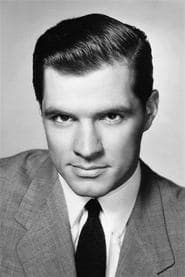
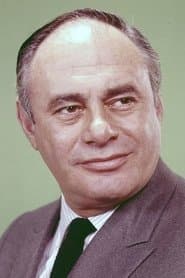
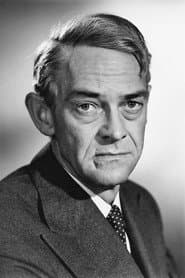
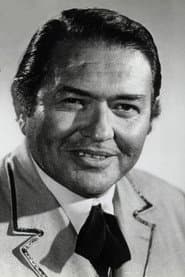

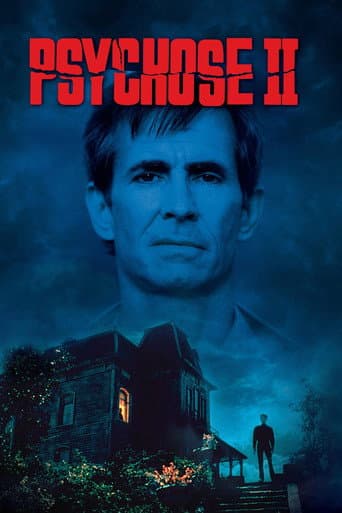
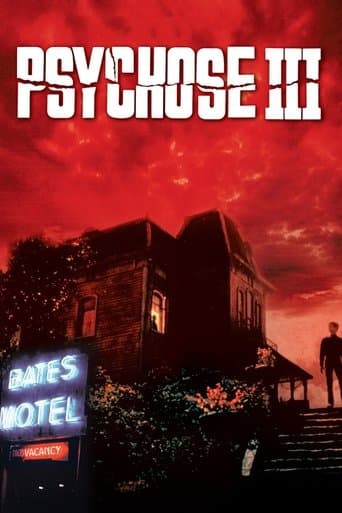
Psychose - Saga
Plus comme ça



Communauté
8.3
Note Trakt
13.6K votes
10
3.6K
9
2.7K
8
4.3K
7
1.7K
6
850
5
162
4
116
3
40
2
43
1
56
47.5KSpectateurs
222.9KCollectés
33.2KListes
Avis de la communauté (12)
S
SimonYNWAVIPCritique★10/10Apr 6, 2015
It is hard to come to a film like Psycho without at least some awareness of the likely surprises in store - the famous moment in the shower is so indelible in pop culture that it has lost its shock factor. Yet, in the context of the film it is still a surprising moment. What is so clever about Psycho is that the first half of the film suggests an entirely different genre and approach. Hitchcock creates a fascinating set-up and moral dilemma that keeps the audience intrigued so that by the time our heroine makes her decision to resolve this issue, you could be forgiven for forgetting the title of the film. But it is the arrival at the Bates Motel and Perkins’ entrance that immediately signals a change in tone, specifically a fascinating conversation between Perkins and Leigh in the motel parlour. It is Perkins’s nuanced performance throughout the film that suggest both a softly spoken innocence and a creepy underlying darkness to Norman Bates, and this is never more clear than in his introduction, as the focus of the audience shifts from Leigh’s character to Perkins. There is little to be added to the already iconic shower scene other than it is a masterclass in editing, music and performance (the shot that pulls back from the victim’s eye is still both horrifying and utterly mesmerising). The second half of the film could have struggled to live up to this and to a certain extent it does, but in the ensuing investigation, Hitchcock of course has one or two more surprises in store that are best left unspoiled and Perkins’ performance ensured that the loss of one great character would not be detrimental to the overall film. It is a shame the final scene feels the need to over explain the events of the film, but the final shot certainly leaves a great impression.
♥21
B
Bradym03★10/10Oct 30, 2020
"Why she wouldn't even hurt a fly." Dude, Anthony Perkins is so good. So so good. So good in fact it's kinda epic. Also, Janet Leigh has such expressive eyes, which explains why the camera is always focus on her face. At one point while watching the movie, I was reaching for my drink until a certain scene caught me off guard and froze me in place. That scene is where Marion Crane is waiting at the traffic light and sees her boss crossing the street, both locking eyes. It is more effective if you watch it yourself. Why do I have a feeling Alfred Hitchcock was a serial killer in a past life.
♥11
A
AndrewBloomVIPCritique★9/10Nov 2, 2019
♥9
R
ragreynoldsVIP★8/10Sep 20, 2025
This captured me from start to finish. Such a great and iconic piece of film history. I must have seen that shower scene fifty times before ever watching this. Glad I can finally say I've seen it in context now. Also glad that can finally say I understand the 'Bates Motel' sign on the house I can see in the distance from my living room window. I always knew those people were strange.
♥4
P
patcw★10/10Oct 6, 2022
Horribly great movie. Watched it when it came out. Took me 30 years to take a shower without anyone in the house.
♥4
Avis