Chargement...
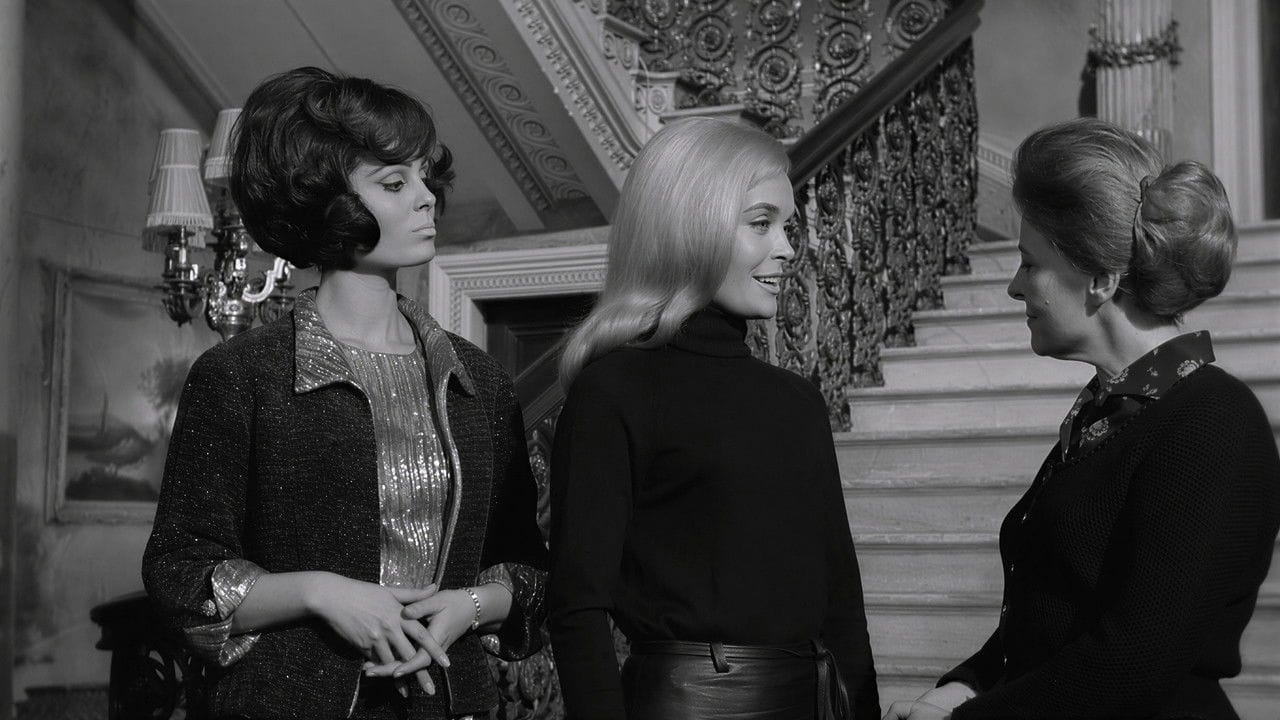


6.3·1965·91 min·English·Réalisé par George Pollock
Pourquoi sont-ils assassinés ? Quel crime doivent-ils payer ?
CrimeMystèreThrillerHorreur
Synopsis
Isolées dans une demeure perchée au sommet d'une montagne enneigée, dix personnes doivent mourir les unes après les autres.
Acteurs principaux









Plus comme ça







Communauté
6.4
Note Trakt
116 votes
10
5
9
3
8
16
7
31
6
38
5
14
4
2
3
2
2
1
1
3
465Spectateurs
13.0KCollectés
412Listes
Avis de la communauté (1)
S
senbaldorVIPCritiqueJun 7, 2026
# Context and Legacy - Historical Context - Based on Agatha Christie's seminal 1939 novel - Part of the cycle of mid-60s British-led international co-productions - Legacy - Definition of the 'slasher' template - Influence on later 'Battle Royale' and 'locked-room' tropes # Themes and Symbolism - Core Themes - Divine retribution vs. vigilantism - The fragility of the social contract under extreme pressure - Guilt as an inescapable prison - Symbolism - The porcelain figurines as indicators of mortality - The isolated mountain retreat as a purgatory # Cinematography and Sound - Visual Style - Emphasis on claustrophobic interior sets - High-contrast lighting to highlight suspicion and shadow - Atmosphere - Use of silence to amplify psychological tension - Ominous non-diegetic music emphasizing the nursery rhyme motif # Narrative Structure - Plot Mechanics - Closed-circle mystery (Whodunit) - Staged execution based on the 'Ten Little Indians' poem - Isolation as a catalyst for psychological unraveling - Narrative Style - Linear progression of elimination - Gradual transition from paranoia to overt terror - The shift from 'strangers' to 'suspects' # Character Analysis - Archetypes - The guilt-ridden professional (Doctor, General, Judge) - The amoral opportunist - The seemingly innocent bystander - Character Arc - Collective denial leading to individual confession - Moral erosion as survival instincts overtake social decorum # Summary Insights - The film shifts the source material's focus from traditional detective fiction to a psychological exploration of the 'sinner's dilemma.' - Isolation is used not just as a physical barrier, but as a mechanism to strip away the characters' external facades and social status. - The 'Ten Little Indians' rhyme functions as both a structural device for the audience and a psychological weapon for the victims. - The adaptation highlights the moral ambiguity of justice, questioning if the murderer is a villain or an executioner of the law. - By utilizing a high-society setting, the film exposes the moral corruption often hidden behind polite etiquette and professional credentials.
Avis