Chargement...

6.6·2003·118 min·Français·Réalisé par Bruno Podalydès
ComédieCrimeMystère
Synopsis
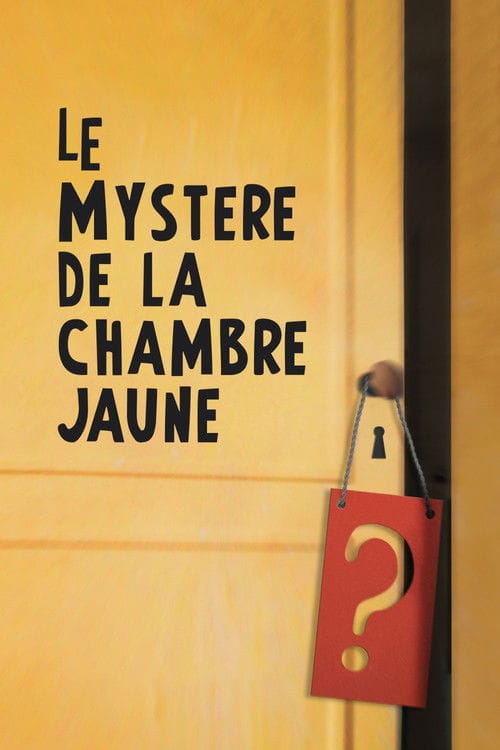
Suite à la tentative d’assassinat de la belle Mathilde, fille du célèbre professeur Stangerson, le jeune reporter Joseph Rouletabille, accompagné de son ami et photographe Sainclair, se rend au château du Glandier pour élucider le mystère. Qui est l’agresseur ? Quel est son mobile ? Et surtout, comment a-t-il pu s’échapper de la chambre jaune, fermée de l’intérieur ? Le célèbre inspecteur Frédéric Larsan soupçonne Darzac, le fiancé de Mlle Stangerson…
Acteurs principaux

Denis Podalydès
Joseph Rouletabille

Jean-Noël Brouté
Sainclair
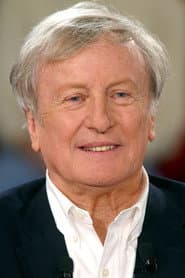
Claude Rich
Le juge De Marquet

Scali Delpeyrat
Le greffier

Sabine Azéma
Mathilde Stangerson

Michael Lonsdale
Stangerson

Julos Beaucarne
Le père Jacques

Olivier Gourmet
Robert Darzac

Pierre Arditi
Inspecteur Frédéric Larsan

Isabelle Candelier
Madame Bernier
Les Enquêtes de Rouletabille - Saga
Plus comme ça
Quand l'inspecteur s'emmêle
1964·7.2
Le Privé de ces dames
1978·6.4
Quand la Panthère rose s'emmêle
1976·6.9
Divine mais dangereuse
2001·5.9
Le Murder Club du jeudi
2025·6.6
La Femme au gardénia
1953·6.5

The Perfect Host
2010·6.4
L'ombre de l'introuvable
1941·7.0
Drôle d'embrouille
1978·6.3
Meurtre mystérieux à Manhattan
1993·7.3
La Chèvre
1981·7.1
Nancy Drew and the Hidden Staircase
2019·6.4
Communauté
7.0
Note Trakt
42 votes
10
5
9
1
8
7
7
13
6
13
5
1
4
3
2
1
1
1
208Spectateurs
980Collectés
113Listes
Avis de la communauté (1)
S
senbaldorVIPCritique★7/10Jun 7, 2026
# Historical Context - Source Material - Adaptation of Gaston Leroux’s 1907 seminal novel - Influence on the development of the 'Whodunnit' genre # Themes and Symbolism - The Impossible Space - The room as a physical manifestation of past trauma - The breakdown of empirical evidence under obsession - Truth vs. Appearance - Deception through perception - The burden of holding a truth that destroys a family # Cinematography and Style - Visual Language - Expressionist lighting within the Glandier estate - Restricted color palettes emphasizing the 'yellow' of the room - Claustrophobic framing to mirror the central mystery # Narrative Structure - Mystery Mechanics - Classic locked-room puzzle - Deductive progression vs. emotional obfuscation - Non-linear investigative reveals - Core Conflict - Logical reasoning (Rouletabille) vs. professional incompetence (Police) - Stangerson's secret history vs. public reputation # Character Analysis - Joseph Rouletabille - The boy detective archetype - Superior intellect as a mechanism for social alienation - Driven by the 'right end of the reason' - Mathilde Stangerson - The victim as a vault of secrets - Dual identity conflict: daughter/scientist vs. fugitive # Summary Insights - The film serves as an homage to early 20th-century intellectual detective fiction, prioritizing the 'logic of the impossible' over physical action. - The yellow room functions as a metaphor for the subconscious, where suppressed secrets are violently pushed to the surface. - Rouletabille’s character arc explores the cost of brilliance, where the uncovering of the truth necessitates the destruction of the victim's social stability. - The contrast between the rigid, aristocratic setting and the bizarre nature of the crime highlights the fragility of late-Victorian/Edwardian moral order. - The film employs a playful, almost theatrical tone that distinguishes it from the gritty realism of modern crime dramas, reinforcing its status as a classic puzzle-box narrative.
Avis