Chargement...
7.2·1955·103 min·日本語·Réalisé par Hiroshi Inagaki
DrameActionAventure
Synopsis
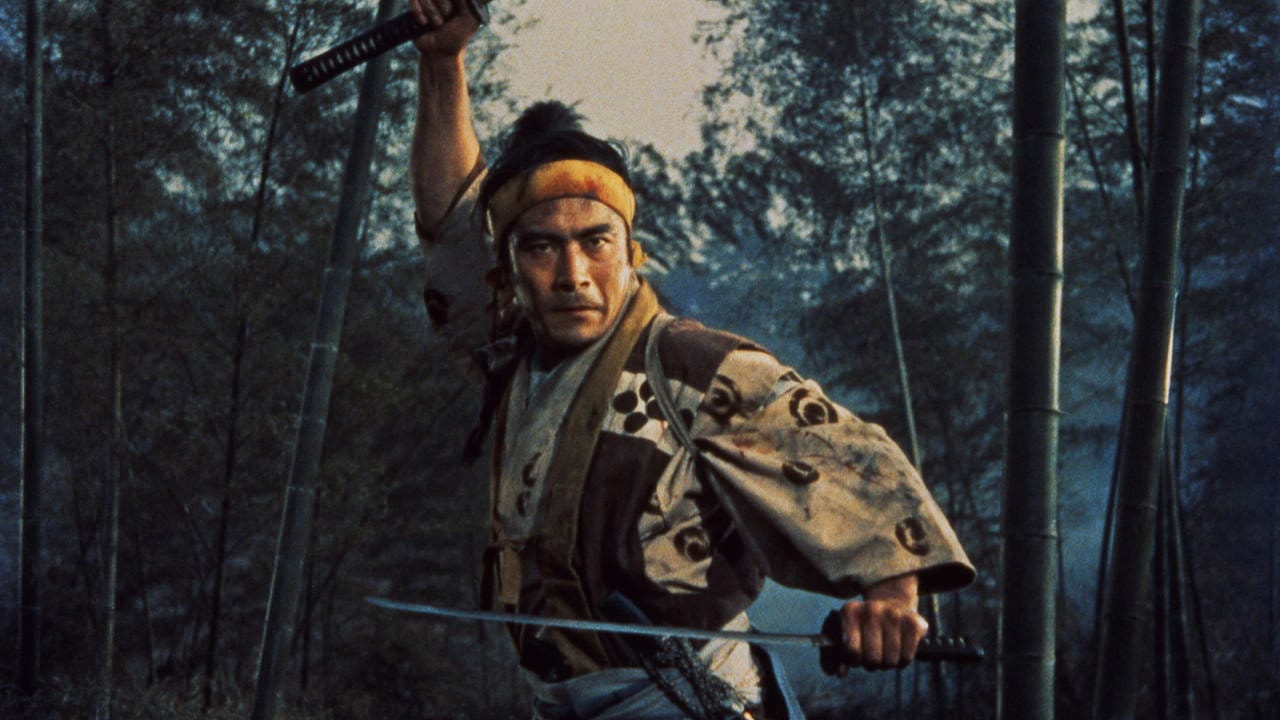
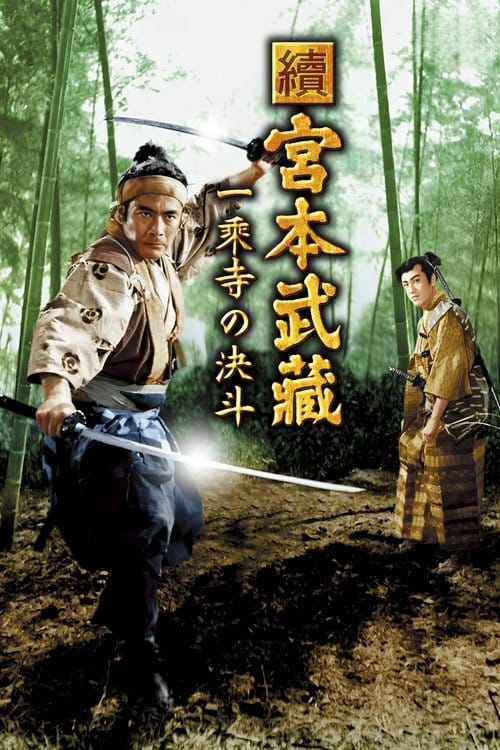
Takezo, rebaptisé Musashi Miyamoto, est devenu un samouraï hors pair. Depuis des années, il parcourt le pays au gré de ses affrontements dont il sort toujours vainqueur. Le voici désormais à Kyoto pour combattre maître Yoshioka. Dans la grande ville, il retrouve ses deux soupirantes : la vertueuse Otsu, ancienne fiancée de Matahachi, et la jeune Akemi, également courtisée par Yoshioka. Alors que l’affrontement entre les deux hommes est sans cesse repoussé, la violence autour de Musashi ne fait que croître...
Acteurs principaux



Samuraï - Saga
Plus comme ça
La Légende de Musashi
1954·7.2
13 Assassins
2010·7.3
Kenshin : La Fin de la légende
2014·7.7
47 Ronin
2013·6.2
La Forteresse cachée
1958·8.0
Baby Cart vol.04 : L'Âme d'un père, le cœur d'un fils
1972·7.3
Kenshin : L’Achèvement
2021·7.7
La Légende de Zatoïchi, Vol. 26 : L'Odyssée finale
1989·6.4
Kenshin : Kyoto Inferno
2014·7.6
Le Sabre du Mal
1966·7.7
Zatoichi
2003·7.2
Kenshin : le vagabond
2012·7.5
Communauté
7.4
Note Trakt
192 votes
10
19
9
10
8
60
7
63
6
26
5
10
4
2
3
2
1
2
486Spectateurs
12.9KCollectés
1.0KListes
Avis de la communauté (5)
K
kixbi★8/10Apr 4, 2026
better than the first and does a better job of showing the mushashi's life and the way of the sword. the inner conflicts are better shown this time around. they still do women dirty though. not a ounce of personality or want. only there to want men and be thrown around chasing them
C
cunninm★5/10Oct 16, 2024
Puting the story to one side and just looking at the film itself, this really does feel the lesser movie of the trilogy. It feels like this movie was done on the cheap. Far too many outdoor scenes were obviously shot indoors on studio sets, whereas the other two movies do spend a lot of time out on location. And as alluded to in another review, the editing is abysmal. So many strange cuts. Bit disappointed with this one 😐
J
juliosoft★7/10Aug 5, 2023
Maintains the tone of the first one, we liked it.
M
Maarten Delfgou★7/10Apr 23, 2022
The original title of the film is Zoku Miyamoto Musashi Ichijôji no Kettô.
D
drqshadowCritique★5/10Feb 3, 2020
The follow-up to 1954's excellent Musashi Miyamoto, Duel at Ichijoji Temple picks up the story several years later, as an exiled orphan-turned-swordsman gains notoriety via a bloody tour of fatal duels. His reputation precedes him in returning to his hometown, where old rivals of both a violent and intimate nature await. This is a film about personal growth - specifically that of the samurai himself, who struggles to learn the key concepts of what his new life actually entails and where the rift lies between honor and reverence. We're never quite sure if Musashi takes this lesson to heart, particularly since he's so keen to maintain an impenetrable outer facade in almost every situation. It's a tricky role for period veteran Toshiro Mifune, who struggles with the more nuanced, flatter aspects of the character. In the previous episode, with the fires of young-adulthood to toy with, he excelled. Here, faced with the malaise of mid-life and the accompanying questions of his own being, his performance is far less sublime. The plot, cramped with too many faces and several seemingly-pointless subplots, does him no favors in dancing around the issues and repeating itself on more than one occasion. This could have been an excellent one-act show, and the final half-hour could still stand alone as precisely that. It lacks the gumption of its predecessor, however, and too often cuts away just as the action is getting good.
Avis