Chargement...
7.7·1966·115 min·日本語·Réalisé par 岡本喜八
DrameCrimeAction
Synopsis
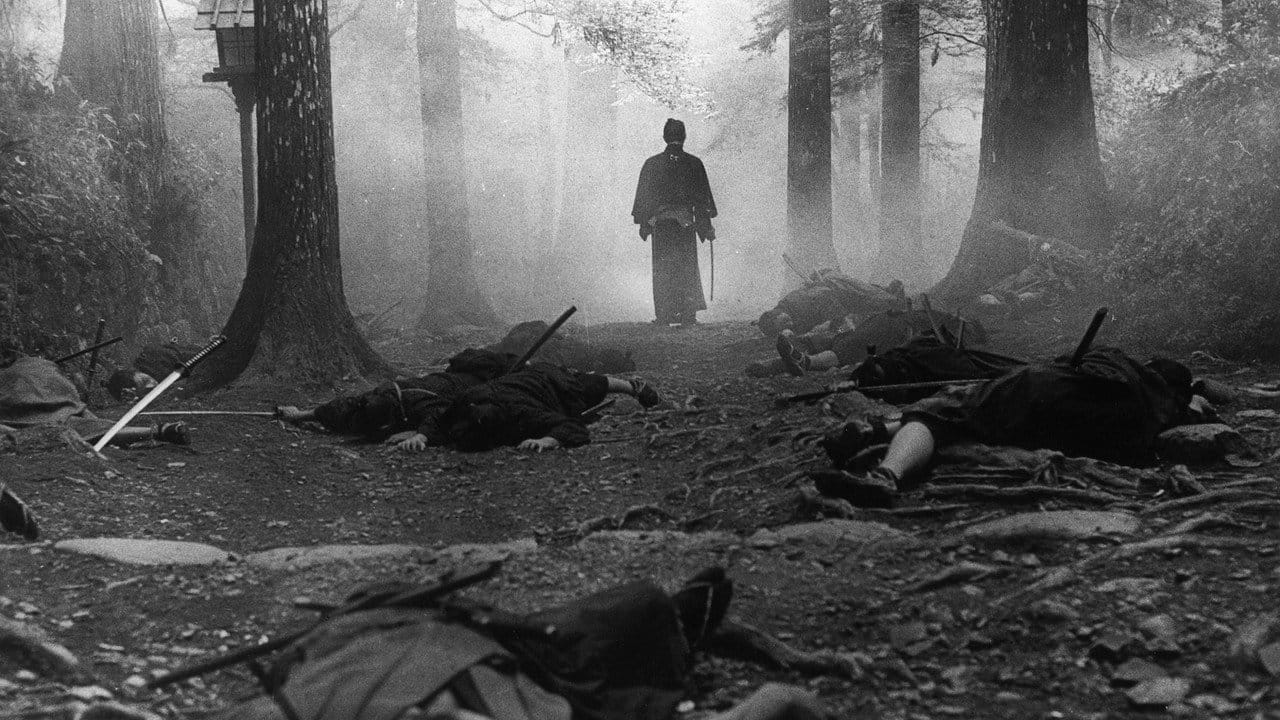
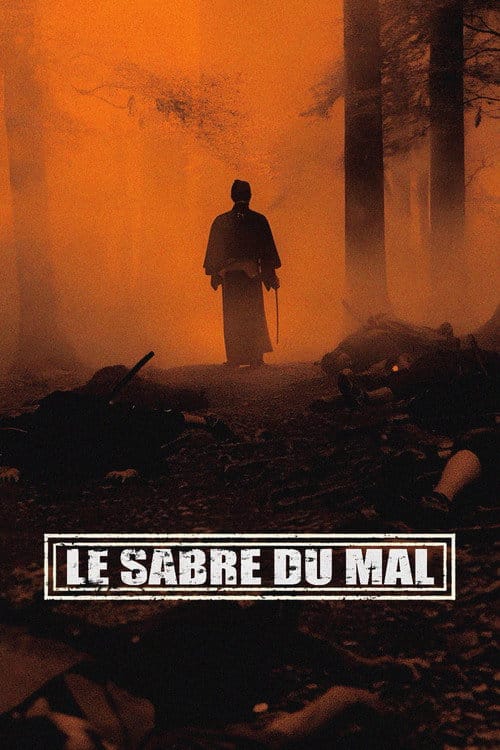
Japon 1860. Les samouraïs savent que leur caste va bientôt disparaître. Certains, comme Shimada, se concentrent sur l'enseignement de la "voie du sabre". D'autres intriguent entre partisans de l'Empereur et nostalgiques du Shogun. Les autres se replient sur eux-mêmes, refusant la réalité, et se réfugient dans l'ultra-violence, le nihilisme absolu. C'est le cas du maître dévoyé Ryunosuke Tsukue. Sa botte secrète, la garde "Silence et Regard calme", le transforme en sabreur invincible. Tsukue assassine froidement le grand-père de la douce Omatsu. Lorsqu'il donne son accord pour un match d'exhibition dans son ancienne école d'escrime, la femme de son adversaire, connaissant sa réputation de guerrier imbattable et sanguinaire, le supplie de perdre délibérément le combat, offrant sa vertu en compensation. Ryunosuke accepte son offre mais tue le mari pendant le match…
Acteurs principaux






Plus comme ça
When the last sword is drawn
2003·7.4
Les Sept Samouraïs
1954·8.5
11 Rebels
2024·7.1
Détective Conan: l'étoile à 1 million de dollars
2024·6.9
Bleach : Fade to Black
2008·7.1
Kamui, le ninja solitaire
2009·6.1
Lupin III : La Brume de Sang de Goemon Ishikawa
2017·7.8
La Forteresse cachée
1958·8.0
Détective Conan : La Mélodie de la peur
2008·6.9
Rashōmon
1950·8.0
Détective Conan : Le sniper dimensionnel
2014·6.8
Détective Conan : La Fiancée de Shibuya
2022·6.4
Communauté
7.7
Note Trakt
277 votes
10
29
9
38
8
104
7
63
6
31
5
7
4
3
2
1
1
4
685Spectateurs
14.4KCollectés
1.7KListes
Avis de la communauté (3)
J
juliosoft★6/10Mar 19, 2022
It seemed strange to us because of what it says and how it says it
♥1
S
smallclone★7/10May 29, 2018
'The Sword of Doom' (1966) This is an epic film. Everything from the sound editing to the acting, the fight scenes and the way it looks is mesmerizing. There's a scene at the beginnign where the grinding of the water mill sounds like the beating of a woman's heart just before she is brutally attacked, which is followed up by a more suggestive motion of the mill's inner workings. Metaphors like that help create the tension which is cranked up throughout. I couldn't help thinking while watching it, that this movie must have been a massive influence to modern day film-makers like Quentin Tarantino. The most noticeable thing though is the lighting. It's used to great effect in most scenes to project shadows and silhouettes. If I had to criticise it, I would say the ending is slightly abrupt, but that's being a bit harsh. Overall it's a highly stylish, brutal tale of a samurai on the path to self destruction
♥1
M
Maarten DelfgouNov 17, 2021
The original title of the film is Dai-bosatsu Tôge.
Avis