Chargement...
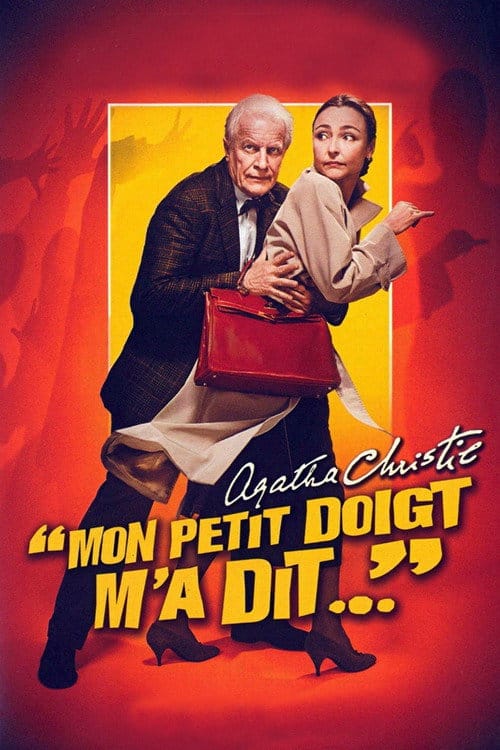
6.2·2005·105 min·Français·Réalisé par Pascal Thomas
ComédieMystère
Synopsis
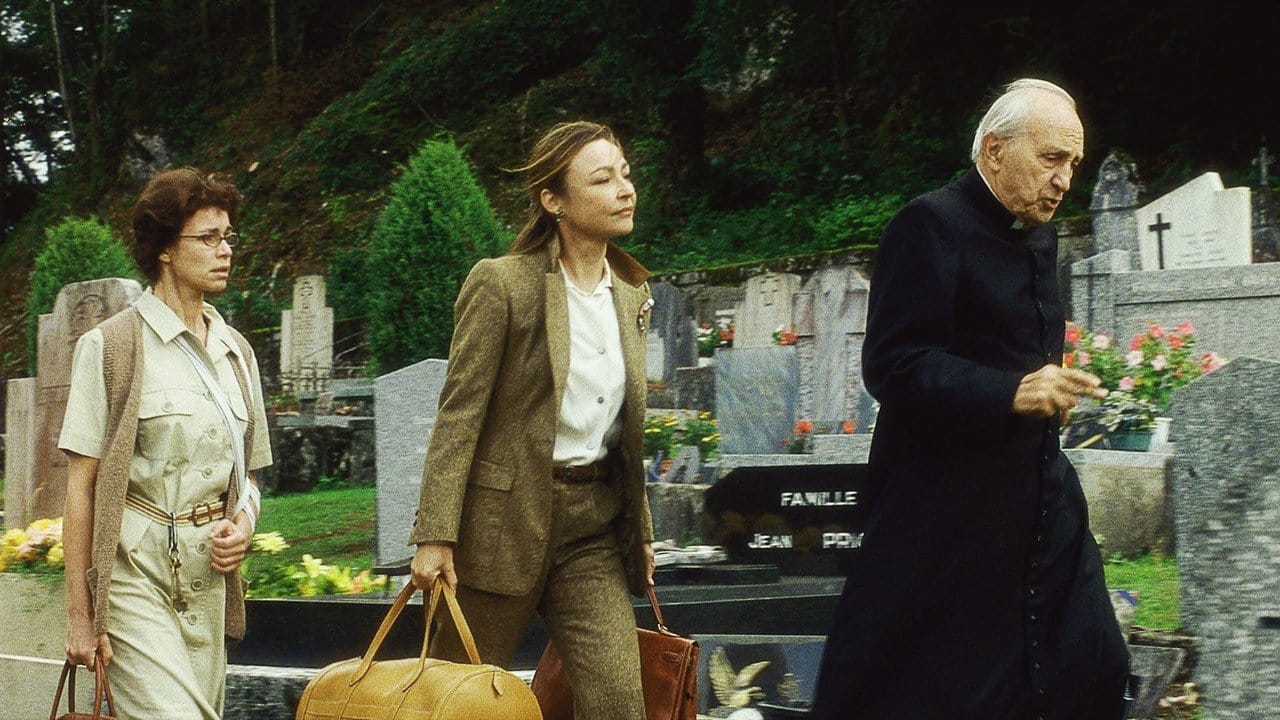
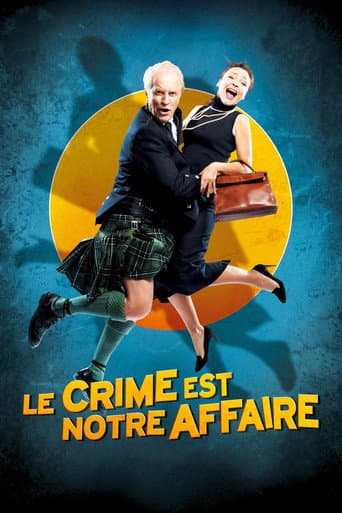
Pourquoi Madame Rose Evangelista a-t-elle prématurément quitté la maison de retraite où Bélisaire et Prudence Beresford sont venus voir leur tante Ada ? Et pourquoi cette vieille dame un peu toquée faisait-elle allusion à un enfant emmuré dans une cheminée ?
Acteurs principaux

Catherine Frot
Prudence Beresford
André Dussollier
Colonel Bélisaire Beresford
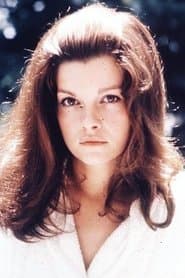
Geneviève Bujold
Rose Evangelista
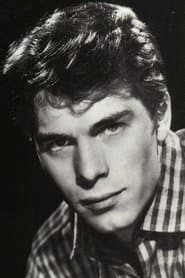
Laurent Terzieff
Maître Anet / Monsieur Sévigné

Valérie Kaprisky
Françoise Blayes
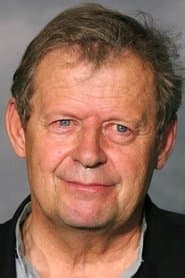
Bernard Verley
The General
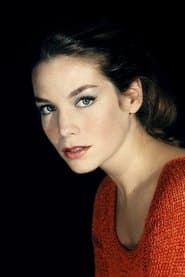
Alexandra Stewart
Mrs. Boscovan
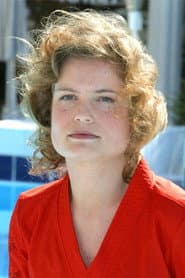
Sarah Biasini
Marie-Christine
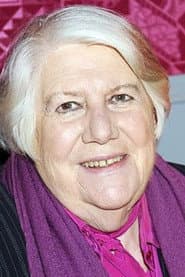
Françoise Seigner
Ada, tante de Bélisaire
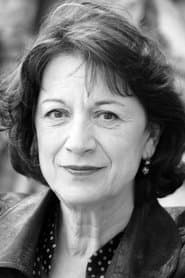
Élizabeth Macocco
Mme Pacard, directrice de la maison de retraite
Prudence et Bélisaire Beresford - Saga
Plus comme ça
Arsenic et vieille dentelle
1944·7.6
Le Grand Sommeil
1946·7.6
Le Murder Club du jeudi
2025·6.6
Meurtre mystérieux à Manhattan
1993·7.3
La Maison Biscornue
2017·6.4
Le Nombre 23
2007·6.4

À couteaux tirés
2019·7.8
Un Duplex pour 3
2003·6.1
Mort à l'arrivée
1988·6.3
Fenêtre secrète
2004·6.6
Wake Up Dead Man : Une histoire à couteaux tirés
2025·7.2
Drop Game
2025·6.3
Communauté
6.5
Note Trakt
45 votes
10
2
9
8
14
7
5
6
15
5
6
4
1
3
2
1
2
183Spectateurs
563Collectés
108Listes
Avis de la communauté (1)
S
senbaldorVIPCritiqueJun 7, 2026
# Context and Legacy - Source Material - Based on Agatha Christie's 1968 novel - Adaptation - Relocated to France, shifting from British sensibilities to French bourgeois satire - Reception - Praised for its stylistic flair and the chemistry of the leads # Themes and Meaning - The Uncanny - The juxtaposition of the mundane retirement setting with the grotesque nature of the past - Memory - The unreliability of aging memory and its role in obscuring truth - Evil in Banality - The horror hidden within quiet, pastoral French villages # Cinematography and Sound - Visual Style - Picturesque, saturated French provincial landscapes - Atmosphere - A blend of sun-drenched aesthetic and gothic undertones - Soundscape - Playful, jazzy score that emphasizes the 'cozy' mystery subversion # Narrative Structure - Key Events - The chance encounter at the nursing home - The disappearance of Mrs. Lancaster - The investigation in the village of Chavignol - Narrative Style - Lighthearted, whimsical tone contrasted with grim underlying crimes - Non-linear historical uncovering - Core Conflicts - Past vs. Present - Superficial civility vs. Hidden malice # Character Analysis - Tommy & Tuppence - Aging but spirited amateur sleuths - The 'Old Married Couple' dynamic as a vehicle for banter and investigative harmony - Motivation - Tuppence's innate curiosity versus Tommy's reluctant pragmatism - Development - Moving from mundane life to active engagement with the sinister side of humanity # Summary Insights - The film successfully utilizes the 'cozy mystery' framework to explore darker psychological themes of intergenerational trauma and repressed memory. - Pascal Thomas’s direction deliberately clashes the idyllic beauty of the French countryside with the grotesque secrets of the past, reinforcing the 'hidden rot' motif. - The lead couple serves not just as investigators, but as an anchor of normalcy that makes the exposure of the village's corruption feel more jarring. - The film treats the act of aging not as a decline, but as a repositioning that allows the protagonists to witness aspects of the world younger characters ignore. - The adaptation transforms Christie’s distinctly British characters into uniquely French archetypes, highlighting the universality of the detective genre.
Avis