Chargement...
7.3·1962·96 min·日本語·Réalisé par Kenji Misumi
AventureActionDrame
Synopsis
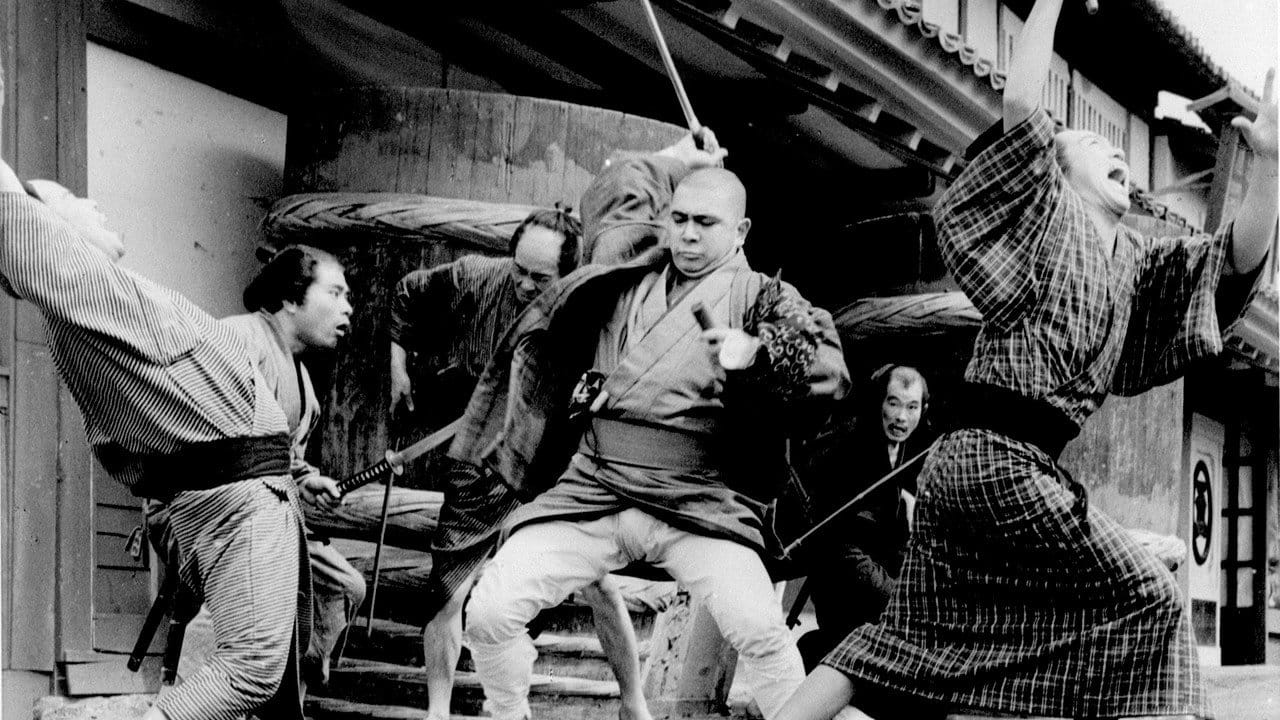
Un aveugle d'aspect pataud fait son irruption dans la petite province de Shimosa. Nommé Ichi, il se fait vite connaître pour ses talents de masseur et pour son habileté surnaturelle aux dés. Mais une autre réputation l'a précédé : en dépit de son handicap, c'est un bretteur hors pair. Et le boss Sukegoro, du clan yakuza Iioka, entend bien s'attacher ses services dans la guerre sanglante qui gronde contre son ennemi irréductible, le clan Sasagawa. Pour Zatoichi, c'est aussi la perspective d'un combat à mort contre Hirate, un mercenaire pour lequel il s'est pris d'amitié…
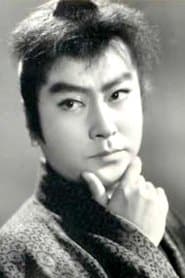
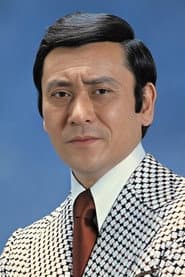
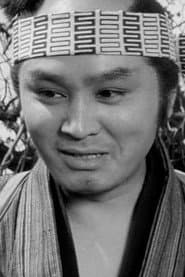
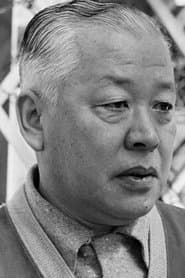
Acteurs principaux

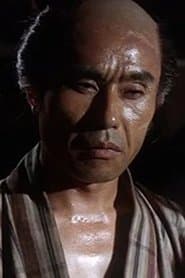
La Légende de Zatoïchi - Saga

La Légende de Zatoïchi, Vol. 02 : Le Secret
1962·7.0
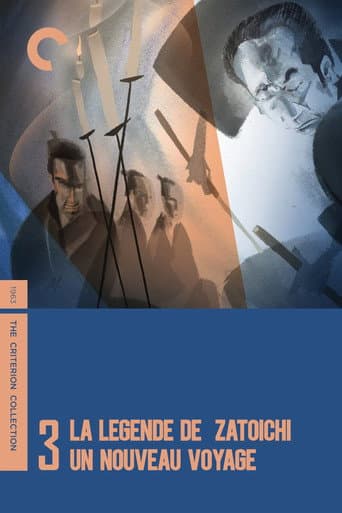
La Légende de Zatoïchi, Vol. 03 : Un nouveau voyage
1963·7.0
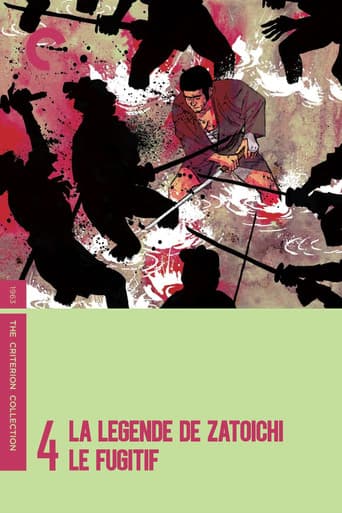
La Légende de Zatoïchi, Vol. 04 : Le Fugitif
1963·6.9
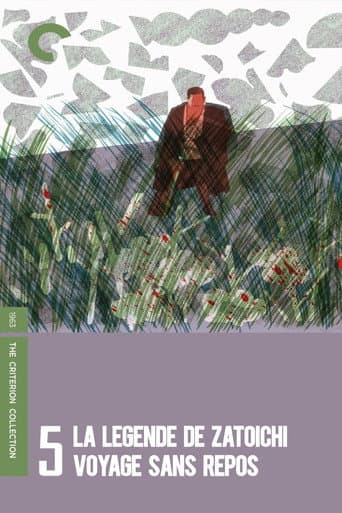
La Légende de Zatoïchi, Vol. 05 : Voyage sans repos
1963·6.9
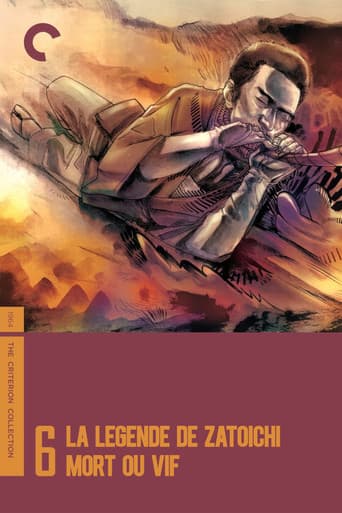
La Légende de Zatoïchi, Vol. 06 : Mort ou vif
1964·6.9
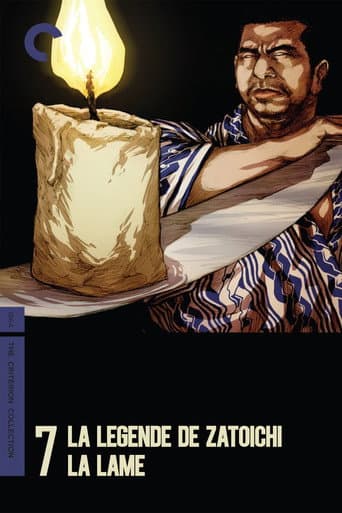
La Légende de Zatoïchi, Vol. 07 : La Lame
1964·6.9
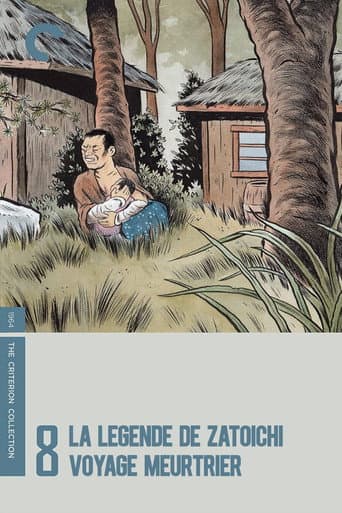
La Légende de Zatoïchi, Vol. 08 : Voyage meurtrier
1964·6.8
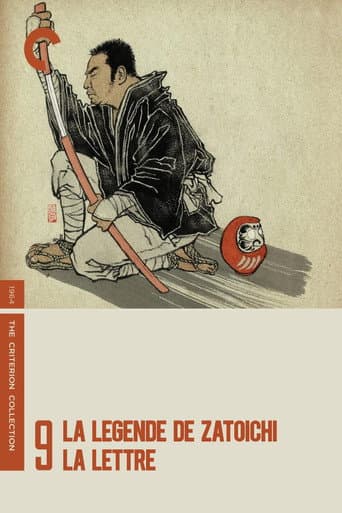
La Légende de Zatoïchi, Vol. 09 : La Lettre
1964·6.7
La Légende de Zatoïchi, Vol. 10 : La Revanche
1965·6.6
La Légende de Zatoïchi, Vol. 11 : Le Maudit
1965·6.9
La Légende de Zatoïchi, Vol. 12 : Voyage en enfer
1965·6.7
La Légende de Zatoïchi, Vol. 13 : La Vengeance
1966·6.9
Plus comme ça
Demon Slayer : Kimetsu no Yaiba - Le film : En route vers l'entraînement des piliers
2024·6.5
Lupin III : La Brume de Sang de Goemon Ishikawa
2017·7.8
47 Ronin
2013·6.2
La Légende de Zatoïchi, Vol. 03 : Un nouveau voyage
1963·7.0
Black Clover : L'épée de l'empereur-mage
2023·8.1
Bleach : Fade to Black
2008·7.1
11 Rebels
2024·7.1

Naruto Shippuden : La Tour Perdue
2010·7.2
Tigre et Dragon 2
2016·6.2
Détective Conan : Le magicien de la fin du siècle
1999·7.3

My Hero Academia : Heroes Rising
2019·8.1
Détective Conan : Mémoire assassine
2000·7.4
Communauté
7.7
Note Trakt
227 votes
10
32
9
23
8
71
7
68
6
24
5
2
4
2
3
1
2
1
1
3
625Spectateurs
59.6KCollectés
1.0KListes
Avis de la communauté (2)
D
drqshadowCritique★7/10Jan 3, 2022
First in a line of twenty-six(!) samurai movies about a blind master swordsman who roams the countryside, conning the con-men and dicing the wannabe tough guys. In this chapter, Zatoichi accepts the hospitality of a small-time yakuza boss and allows himself to be enlisted into a simmering turf war. He finds a kindred spirit in an opposing ronin, a fellow pawn in the schemes of others, and mourns that their fates seem destined to converge in a duel. _The Tale of Zatoichi_ contains very little action, only a few lightning-fast demonstrations before the big battle at the end, but that restraint is careful and deliberate. In lieu of bloodier material, we learn to appreciate Ichi's meditative nature, recognize the shades of grey in his surroundings, enjoy the scenery of a small feudal village and anticipate the inevitability of the moment he finally bares his blade. Shintaro Katsu is calm and confident in that leading role, carrying himself with composed dignity while also selling the gravity of his handicap. As the supporting cast makes light of his condition and underestimates his capabilities, we observe his keener senses of hearing and smell, aides which he keeps to himself, and note the quiet stock he takes of everyone milling about. At heart, this is a straightforward example of the genre. It hits many of the same notes you'll see in its contemporaries - strict code of honor, cynical worldview, reluctant violence, understated emotions - but it does these things well and is old enough that it could probably be credited with popularizing a few of them. I'm looking forward to watching this character develop.
♥1
S
SimonYNWAVIP★6/10Jan 10, 2014
Whilst the plot is fairly standard stuff for samurai films, the real draw is Shintaro Katsu as Zatoichi and it is little surprise that more films followed. From the opening scenes involving a game of dice, there is a sense of playfulness about the character, but Katsu exudes charisma and confidence such that you are never in doubt this man can hold his own in a fight. Indeed, it takes quite some time before Zatoichi even has to defend himself and the fight sequences involving him are quick and short, as they should be. What also works well is the relationship between Zatoichi and his main adversary in the film, which allows us to explore the code of honour that exists between them, reminding the audience that there is more to Zatoichi than meets the eye. This all leads to a great duel at the end and a powerful moment when Zatoichi finally lets his anger show.
Avis