山本嘉一
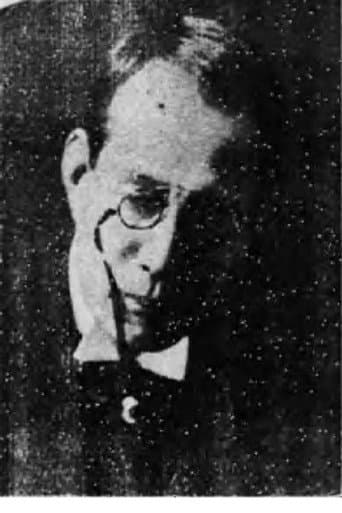
Kaichi Yamamoto, also known as Yamakichi, was a distinguished Japanese actor renowned for his performances in both contemporary and period films. He was a prominent figure at Nikkatsu studios following the era of Onoe Matsunosuke. At the age of 18 in 1895, he joined the "Kawakami Onjuro Troupe," a prominent New School (Shinpa) theater group led by Onjuro Kawakami. Four years later, at the age of 22, Yamamoto participated in the troupe's overseas performances, including those in the United States, showcasing his talent on international stages.
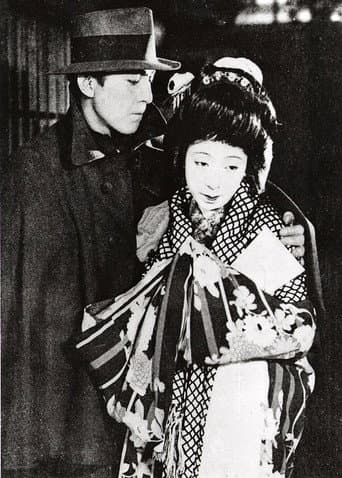
In 1917, he was invited to join the Nikkatsu Mukojima Studio, where he transitioned to film acting after a prolific 22-year theatrical career, shortly before turning 40. His first film at Nikkatsu, "Tsuyu no Chigiri" (Oath of Dew), was released on June 30, 1917, at the Asakusa Opera Hall. After the Great Kanto Earthquake in 1923, which devastated the Mukojima Studio, Yamamoto transferred to Nikkatsu Kyoto Studio. He continued to excel in contemporary dramas, including films like "Okina to Seizo" (Okina and Seizo) and "Toge no Uta" (The Song of the Mountain Pass), the latter being part of the New Year's line-up in 1924[3]. For over a decade, he resided in Kyoto, where he became a stalwart in period dramas, particularly after the passing of Kabuki actor Onoe Matsunosuke.
In 1934, with the establishment of Nikkatsu Tamagawa Studio (now Kadokawa Daiei Studio) as a hub for contemporary dramas, Yamamoto moved there and appeared in films like "Aizou Toge" (Love and Hate Pass).