Cargando...
5.0·2023·104 min·English·Dirigida por Abel Ferrara
Drama
Sinopsis
Es el final de la Primera Guerra Mundial y los jóvenes soldados italianos están regresando a San Giovanni Rotondo, una tierra de pobreza, con una tradición de violencia y sumisión al férreo gobierno de la Iglesia y sus ricos terratenientes. Las familias están desesperadas, los hombres están destrozados, aunque victoriosos. El Padre Pío también llega, a un remoto monasterio capuchino, para comenzar su ministerio, evocando un aura de carisma, santidad y visiones épicas de Jesús, María y el mismo Diablo. La víspera de las primeras elecciones libres en Italia prepara el escenario para una masacre con una dimensión metafórica: un evento apocalíptico que cambia el curso de la historia.
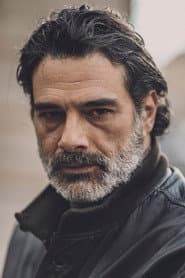
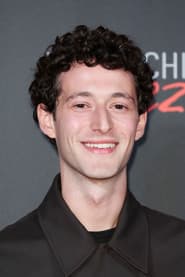
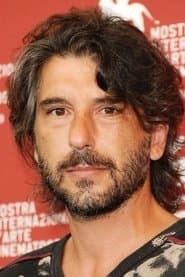
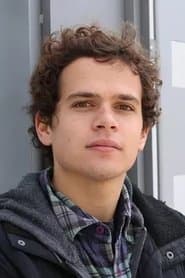
Reparto principal





Más como esto
Communauté
4.4
Note Trakt
108 votes
10
5
9
1
8
4
7
5
6
15
5
19
4
23
3
12
2
11
1
13
501Spectateurs
11.1KCollectés
480Listes
Avis de la communauté (4)
C
Coquidragon★1/10Jun 2, 2023
The saint appears in 10 min. out of 100. It is ideologically to the left. The name is clickbait.
♥5
M
mansematJun 14, 2023
I solely watched this film because it apparently was an eye-opener for LaBeouf making him convert to Catholicism and it became clear pretty fast that he probably was playing in a movie of his own. What we got instead is a bleak, dark, depressing and, even more so, boring thesis about socialism and communism with some smidges of LaBeouf sprinkled through it. I'm watching for Padre Pio, not some class struggle between dirty peasants with broken accents and the elite and their cronies with broken accents. The interesting parts with LaBeouf are short and almost meaningless. There probably is some correlation between these segments and the rest of this snoozefest but a little before halfway I already had no further interest in the movie. Let alone trying to figure out what Ferrera was trying to say.
♥2
B
bfchrisVIPCritique★7/10Mar 21, 2025
I realize that many have given terrible reviews to this film, but I encourage anyone who is in the mood for a more intellectual film to watch this. You will need to be in the right mood. I tried to watch late at night, had to go to bed, and when I returned to it in the daytime, it was a much better experience. It is slow, yes it is slow. Shia's down-home American accent was odd amidst Italian accents, but after a while I ceased noticing it, as I got to know his character and turmoils. The negatives: • a few excessively-long-lens shots (meaning the characters are in extreme closeup) with absurd amounts of camera shaking and failure to stabilize in post-production. They should have used in iPhone for those chaotic scenes, which would have allowed them to get into the chaos with the camera while still stabilizing the shot well enough for the viewer to see what was going on. These shots weren't shaken to disguise bad production or lack of scenery or insufficient fake blood; these shots were exteriors with action in which nothing needed to be hidden. • When the actors get too angry, they go off-script, forget their character while embodying their anger, and use the f word for every third or fourth word ("f* off, you f*ing…). This is quite jarring and anachronistic, especially when the word comes from an angry priest. The first occurrence is not from Pio, but from his abbot! The positives: • Cinematography is very good, with the exception of those few shots mentioned above. • Vincenzo Crea is excellent. He brings the same optimistic dreamer attitude to the role of Luigi as he did to his infatuated pursuit of Daniele in season 2 of "Everything Calls for Salvation." • While the entire film is at a contemplative pace, I noticed no places where things were truly dragging. And while experiencing the inner anguish of Pio, you will gain an education in post-WW2 Italy, which seemed to be a cross between antebellum American South and medieval Europe.
♥1
U
usalittlebird★5/10Oct 16, 2024
Pointless movie. Thought it might be a bit of a biography, nope ....just an idiotic interpretation. Covers maybe a year in his life....boring movie.
Reseñas