Cargando...

6.8·1916·317 min·Français·Dirigida por Louis Feuillade
DramaCrimen
Sinopsis
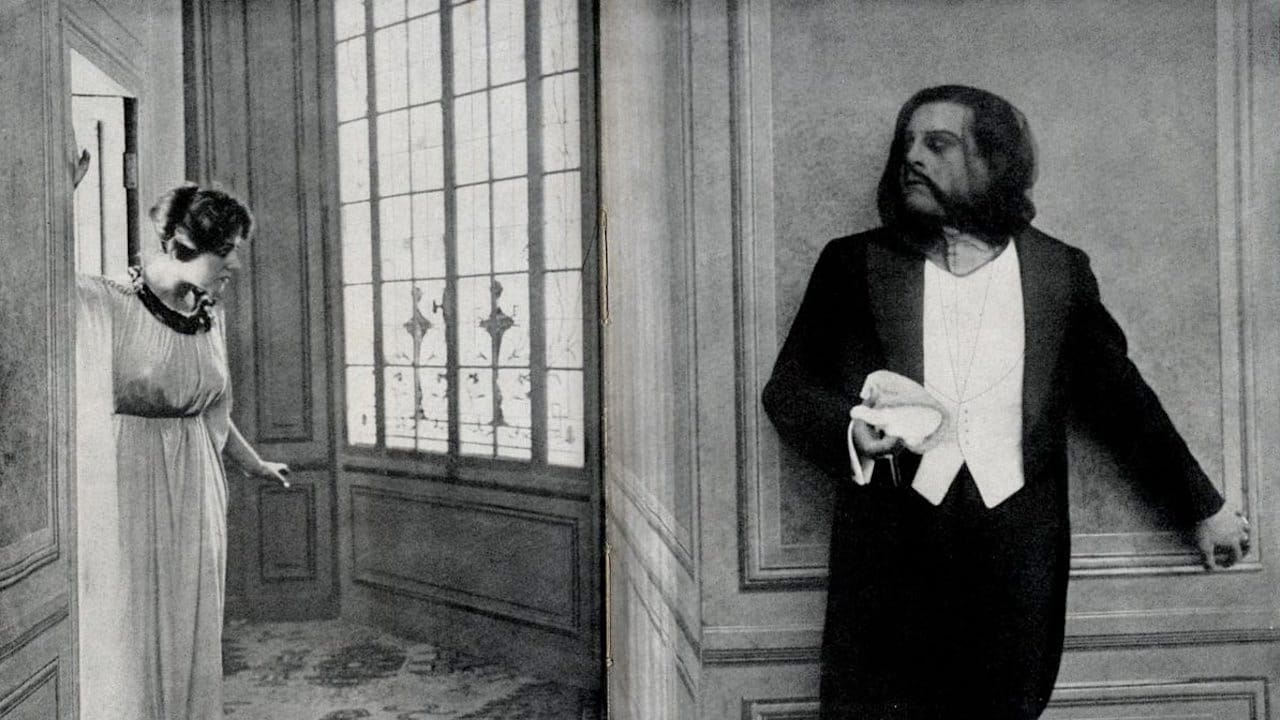
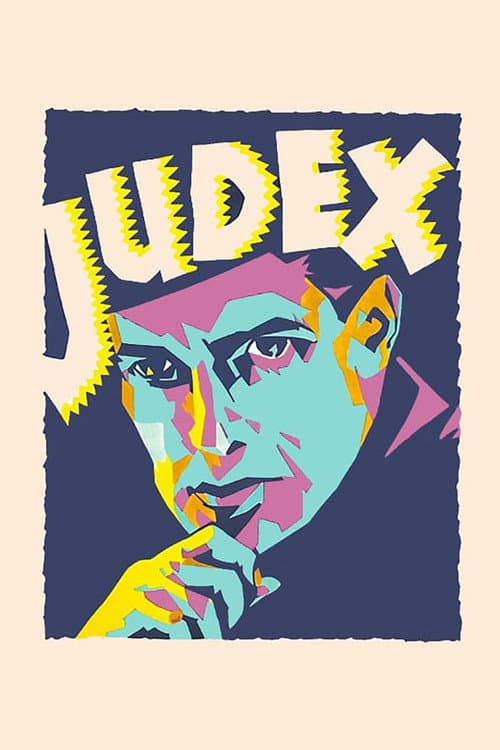
Cuando un banquero sin escrúpulos arruina a su familia, un joven jura llevarlo ante la justicia, por lo que adopta una nueva identidad, el misterioso Judex, y ominosamente disfrazado y hundido en el fangoso camino de la venganza, castiga a los delincuentes y protege a los inocentes. (Originalmente una serie épica de doce capítulos).
Reparto principal
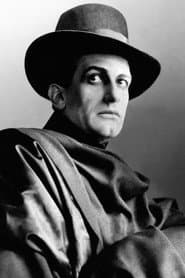
René Cresté
Jacques de Tremeuse / Judex

Musidora
Diana Monti / Marie Verdier

René Poyen
The Boy Réglisse

Édouard Mathé
Roger de Tremeuse

Gaston Michel
Pierre Kerjean

Yvonne Dario
Countess de Tremeuse

Yvette Andréyor
Jacqueline Aubry

Juliette Clarens
Gisèle

Jean Devalde
Robert Moralés

Georges Flateau
Viscount de la Rochefontaine
Más como esto








Communauté
6.8
Note Trakt
14 votes
10
9
3
8
1
7
2
6
7
5
4
1
3
2
1
30Spectateurs
179Collectés
99Listes
Avis de la communauté (1)
J
JaitowerCritique★9/10Oct 8, 2024
Louis Feuillade, the master of French serials, known for the gloomy environments and marginal characters in _Les Vampires_, offers with _Judex_ an unexpected twist. If the villains took center stage in _Fantômas_, and in _Les Vampires_ the personifications of good and empathy, in _Judex_ he introduces a “vigilante” whose actions invite us to question the fine line between vengeance and virtue. [spoiler]Judex, whose secret identity conceals a man of strong moral principles, seems to operate from an ambiguity that does not allow him to fit easily as the archetypal hero. From the very first scene in which he forces the corrupt banker Favraux to return his ill-gotten wealth, Feuillade raises the question: is Judex a modern-day Robin Hood or a vigilante out for revenge? And it is not easy to fit him into a definition. As the series progresses, it shows us a contradictory character, with heterogeneous ideas, trapped between the ideals of cold justice and the warm love that awakens in him; a hero or a villain disguised as a virtue who pulls the strings, like a spider, to form a trap, and thus be judge, jury and executioner of his victims. In this complex figure, he seems to be inviting the viewer to reflect on justice, on whether or not morality should be a limit to law, long before hooded superheroes dominated the screen. Although it is not difficult not to read between the lines a certain criticism towards the audience's own expectations of the time, thirsty for an unlikely and infallible hero, when instead they receive a character who might as well be playing an early version of _Death Note_, moralizing his actions to justify the means.[/spoiler] Feuillade's camerawork is unmistakable, though less laborious than in his previous works, standing out for his insistent eye on everyday dynamics. The long, static shots, which today might seem unusual to the modern viewer accustomed to fast-paced editing, allow the narrative to breathe while giving us the opportunity to connect with the characters and the modernist environment that surrounds them. On the other hand, the filmmaker could not build the intrigue of Judex without a good gallery of supporting characters, and here the _femme fatale_ is not lacking: Diana Monti, played by the incredible Musidora, the conspiratorial nemesis, follows in the tradition of the Machiavellian and seductive female figures that Feuillade consolidated in _Les Vampires_. Before they became popular in American film _noir_. In short, watching _Judex_ today, one cannot help but notice its relevance. In an age where cinema is saturated with monochromatic heroic figures, the ambiguous Judex is strangely refreshing, but also uncomfortable. In its subtle but incisive way it seems to have created a work that invites not only action, but also doubt. _Judex_ is not simply a story of revenge disguised as justice; it is a mirror that reflects our own ideas about power, morality, and the human need for heroes, however much they may also be judges of their own designs.
Reseñas