Cargando...
7.0·2023·105 min·English·Dirigida por Jonathan Glazer
DramaHistoriaBélica
Sinopsis
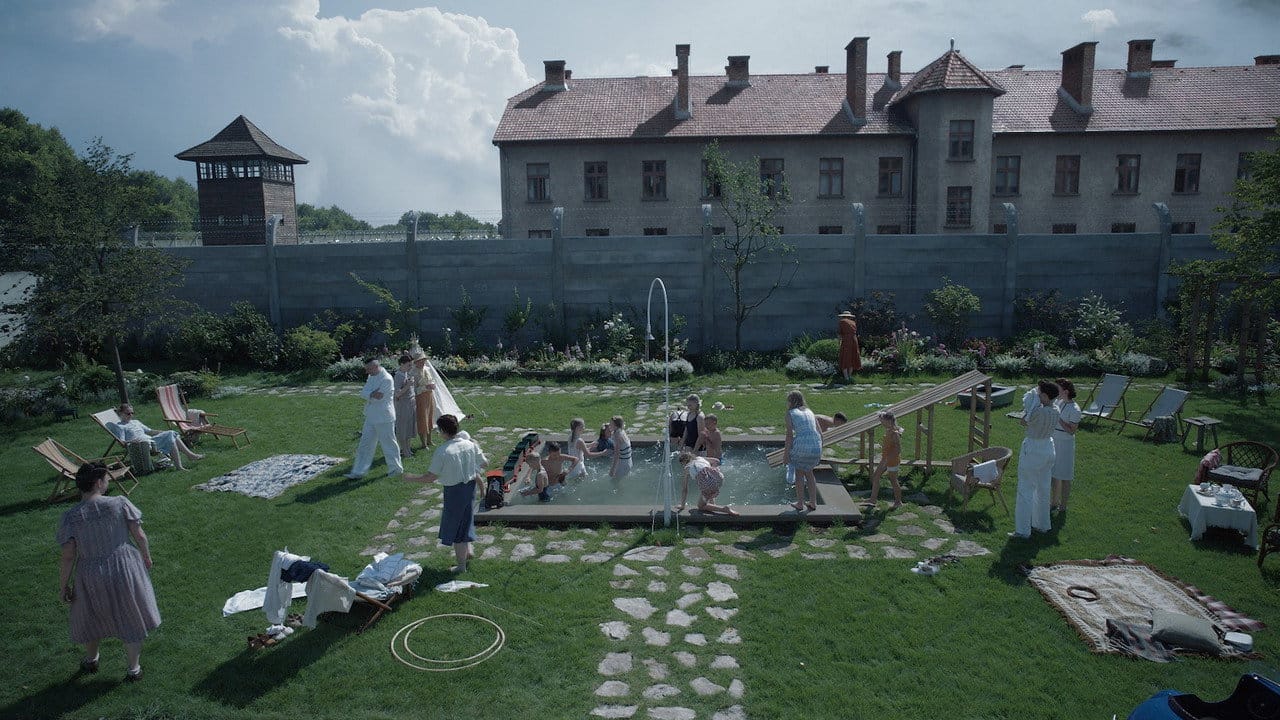
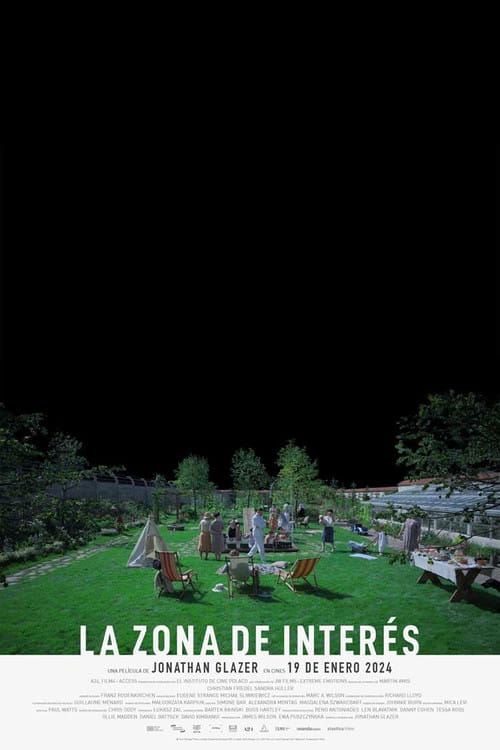
El comandante de Auschwitz Rudolf Höss y su esposa Hedwig se esfuerzan en construir una vida de ensueño para su familia en una casa con jardín cerca del campo.
Reparto principal







Más como esto




Communauté
7.0
Note Trakt
9.4K votes
10
999
9
802
8
2.4K
7
1.9K
6
1.8K
5
529
4
573
3
125
2
241
1
107
31.2KSpectateurs
37.0KCollectés
16.4KListes
Avis de la communauté (12)
J
JC230VIPCritique★8/10Feb 7, 2024
A very interesting portrayal of the banality of evil. The horror is not in what’s shown, but what isn’t. The compartmentalization, the routine. While gunshots and screams echo and smoke billows, they have their idyllic little life, better than they dreamed. Anything that brings too much attention to the other side of their life is an intrusion, an annoyance, like the mother who can’t stand the flames. The droning score and the bright colors underscore this, banging at the door to be let in and acknowledged and shut out by this family. Most striking of these was Rudolf under a blindingly white sky while a soundscape of death paints the picture, and a close up of the flowers of their happy garden while the ashes of the people they’ve murdered rest in the soil. The revulsion the film inspires with Rudolf sharing how the only thing he could think about at a party was the logistics of how to gas them all, as if it’s a fun thought experiment and anecdote, is impressive. As is Hedwig’s entitlement towards her idea of a perfect life and her lashing out at the Jewish servants when it’s threatened. Or the eldest son playing a cruel trick on his younger brother, licking him in a greenhouse door and imitating a gas chamber. It’s all so innocuous to them. Just background noise of their life. The repetition is as droning as the score, leaving you desperate to escape this mindset and terrified of the ways that we too suffer from it.
♥36
J
JordyepVIP★5/10Feb 6, 2024
Quite a frustrating watch. It has this great concept of showing mundane, everyday life juxtaposed with horrifying imagery and sound hanging in the background, many reviewers have referred to it as the banality of evil. It's an inventive way of doing a Holocaust movie, but there's not much else to this. Glazer spreads the concept really thin over the 105 minute runtime, and I started to check out around the halfway mark. It's lacking in structure (no character arcs or big plot developments), every time it threatens to go somewhere it turns out to be an excuse to use the same bag of tricks. The acting and stilted cinematography are both pretty decent, but because they're both meant to serve the understated tone and nothing else, it can't fall back on those aspects. Again, if the tone is enough to carry this experimental film for you, your experience might be different. However, I became increasingly numb towards the repetitive nature, eventually feeling rather indifferent towards the experience (which is the last thing I want with a movie like this). 4.5/10
♥16
G
Götterdämmerung★5/10Jan 23, 2024
It's boring, that's the problem. The Zone of Interest is completely uninteresting. Scenery, wardrobe and all of that is very well done, which infuriates me because they could have done such an interesting film if they'd had shown the funcioning of Auschwitz. In that camp there were stories worth telling. Anyways, I regret having spent money in the cinema for this one.
♥12
M
miguelreina★9/10Mar 6, 2024
It captures horror through a horrifying everyday life, using the viewer's cinematic memory to reflect the perversion of the Holocaust off-screen. The invisible look at the daily life of a family that has achieved their aspirations as human beings, at the same time dehumanizes them, and the introduction of expressive overhead shots breaks that invisibility to show the most direct reality. The director takes risky decisions that manage to integrate perfectly, and an ending that places us directly in the horror of the denials of the reality that we constantly live.
♥9
S
SkinnyFilmBuffVIP★7/10Mar 2, 2024
The biggest strength of this film is the extreme contrast between the story of the Höss family and the story taking place on the other side of the wall. The former gets most of the attention, with the movie playing out like a slice-of-life family drama. But the latter, which exists only in the background, unspoken and off screen for most of the film, is what packs the punch. The writers leverage the knowledge that most audiences already have - we all know what was happening. And that's where the contrast is - watching a man help orchestrate one of humanity's darkest moments without any acknowledgement is disturbingly compelling. That said, this isn't my favorite kind of film, as it feels less focused on building a narrative arc and more focused on the thematic ideas. Just a little too arthouse for my tastes.
♥5
Reseñas