Cargando...
6.5·2019·76 min·sv·Dirigida por Roy Andersson
DramaFantasíaComedia
Sinopsis
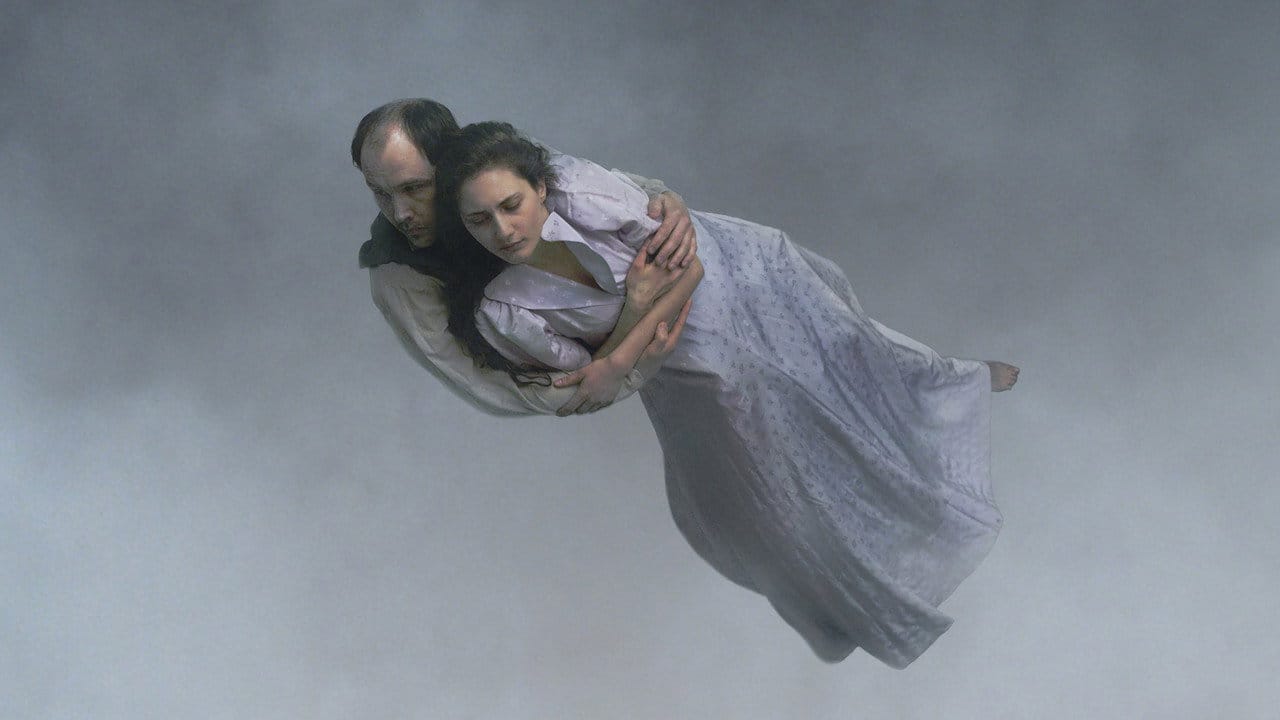
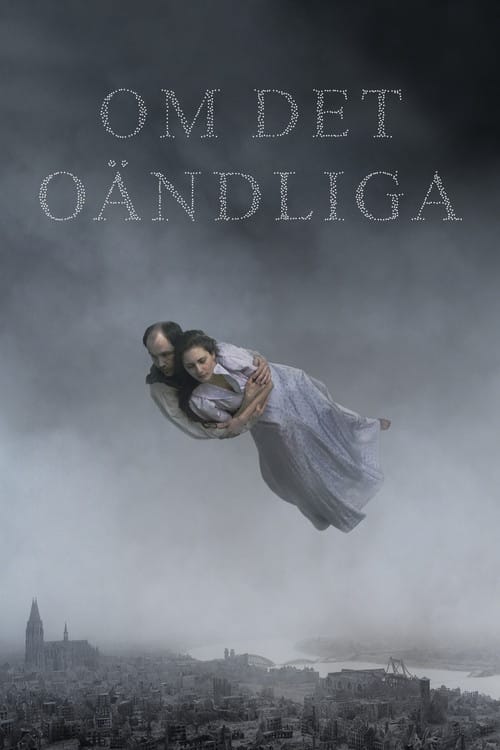
Inspirada en el cuento de "Las mil y una noches", la celebrada colección de historias de oriente medio y de historia india, la película busca ser una yuxtaposición de las distintas etapas que un ser humano atraviesa en la vida. Desde los momentos más preciosos de la existencia hasta el despertar intelectual que nos lleva a tratar de guardar la vida como un tesoro y a compartirla con aquellos a los que amamos.
Reparto principal


Más como esto
Una paloma se posó en una rama a reflexionar sobre la existencia
2014·6.8
El ojo del diablo
1960·7.1
The Middle Man
2021·6.1

Código 3
2025·7.1

Almost Friends
2017·6.3
CQ
2001·5.9

Enredos y mentiras
2017·6.1
The House of Tomorrow
2019·6.8
Fat Kid Rules The World
2012·6.7
Teorema zero
2013·6.1
Especial
2006·6.3

Terapia sexual
2020·6.3
Communauté
6.5
Note Trakt
224 votes
10
10
9
14
8
47
7
53
6
54
5
14
4
18
3
4
2
3
1
7
587Spectateurs
2.6KCollectés
1.1KListes
Avis de la communauté (3)
R
ragreynoldsVIP★8/10Aug 7, 2023
It's September already. Personally, I'd rather be a potato than a tomato. Isn't it quite fantastic?
♥1
F
FLY_Critique★7/10Sep 19, 2020
One of these movies that is more like a piece of art than what you would usually call a movie. There is no story telling,just a succession of very short scenes, with some barely linked together by the fact that the same character appears twice or maybe three times. That's it. There is very little action (and by that I mean, even movement), often no music, nor dialogue. When character speak it's mostly very slow and in a monotonous tone. If they are talking there are long spaces between answers. Each scene starts like if it was a painting, so immobile for a while, with a distinctive framing, usually close up, and camera angle.The scene is immobile for a while, before a character appears or starts to speak. A narrator sometimes describes "I saw... {something related to the scene}". The most recurring character is a priest that lost his faith. Otherwise, they're mostly regular people, though there's also Adolf Hitler in his bunker. Nothing really happens. The priest makes an appointment with his doctor. A guy looks at a girl in the street. A woman gets down from a train, no one is there for her, then a guy arrives, late. A waiter pours way too much wine in a glass. That's it. That's the kind of scenes that are chained from beginning to end. I haven't seen his other movies that already use this kind of presentation, so maybe it's not original after a while, but you can really see the work put in each frame. The initial view is often beautiful in the framing, the colors, the decor. The movie is also pretty short, so after the first initial scenes you just let yourself be gently transported by the succession of scenes and don't see it pass. On the paper it could be very boring, but it's just... peaceful I guess ? And beautiful.
M
miguelreinaMay 19, 2020
[Filmin] Sketches. Life is a mix of sketches. This defines the latest Roy Andersson movies. Minimalist cinema. Especially smart in the first two parts of the Trilogy of Life. Afterward, it has become boring, repetitive, useless. This is a representation of the defeat of man. The bunker, the soldiers, the sad man, the priest who doesn't believe in God... But Roy Andersson's cinema also seems defeated.
Reseñas