Cargando...
7.1·1916·172 min·English·Dirigida por D.W. Griffith
La mano cruel de la intolerancia.
DramaHistoria
Sinopsis
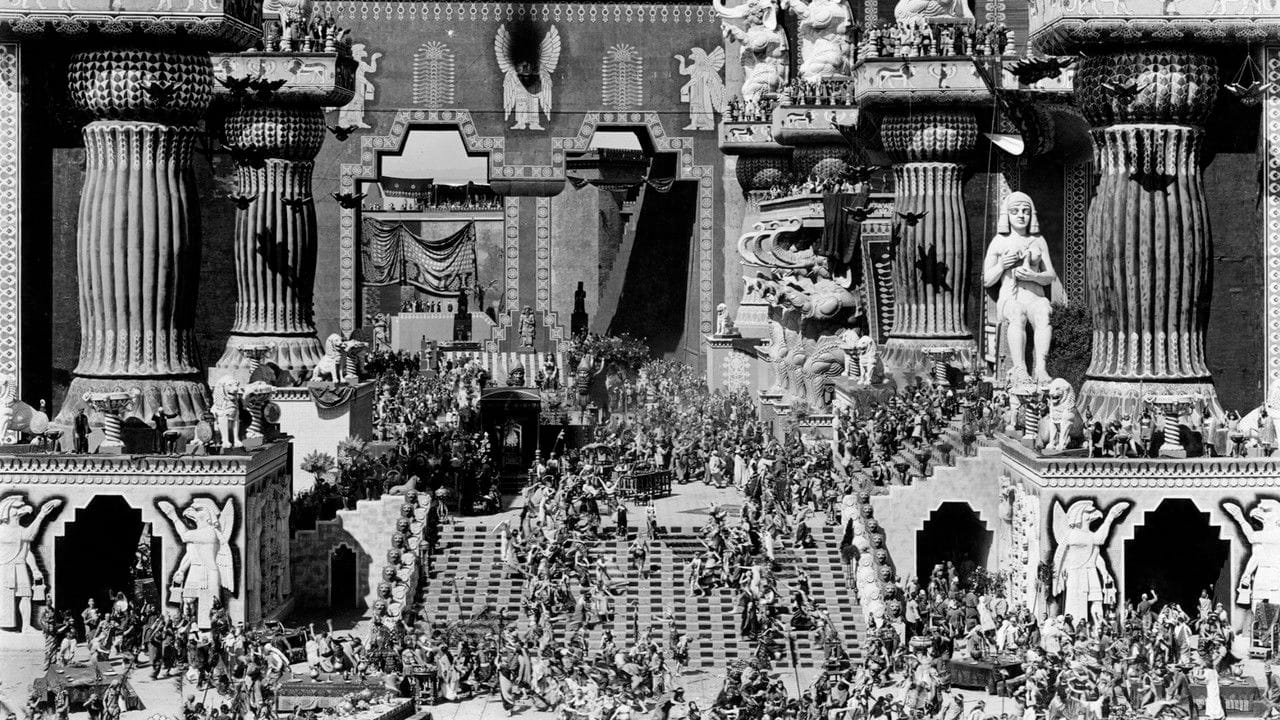
Clásico del cine mudo que muestra a través de varios episodios históricos las injusticias provocadas por la intolerancia religiosa y social. La idea inicial de Griffith era narrar las sangrientas huelgas de 1912 en EE.UU. (un huelguista es acusado de la muerte de su patrón), pero después decidió rodar tres episodios más: "La caída de Babilonia, "La Pasión de Cristo" y "La noche de San Bartolomé" (sangriento episodio de las luchas entre hugonotes y católicos que tuvo lugar en París en 1572). De presupuesto y recursos desmesurados para la época -una sola escena reunió a 15.000 extras y 250 carros- aún hoy sigue asombrando por su espectacularidad.
Reparto principal

Lillian Gish
The Woman Who Rocks the Cradle

Mae Marsh
The Dear One (Modern Story)

Robert Harron
The Boy (Modern Story)
F.A. Turner
The Girl's Father (Modern Story)
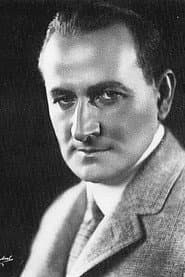
Sam De Grasse
Arthur Jenkins (Modern Story)

Vera Lewis
Mary T. Jenkins (Modern Story)

Lillian Langdon
Mary, the Mother (Judean Story)

Olga Grey
Mary Magdalene (Judean Story)
Erich von Ritzau
First Pharisee (Judean Story)

Bessie Love
The Bride of Cana (Judean Story)
Más como esto


Communauté
6.9
Note Trakt
369 votes
10
39
9
39
8
80
7
86
6
58
5
22
4
18
3
8
2
8
1
11
842Spectateurs
29.0KCollectés
2.5KListes
Avis de la communauté (2)
S
soonertboneVIP★6/10Dec 28, 2022
As epic as they come–that Babylon set was nuts. While I wish this had been an hour shorter, I appreciated the rhythm and the movement of this movie. It felt symphonic to me: the steady bass line of the “Eternal Motherhood,” the different storylines being played like different instruments contributing to a common theme, and playing off of each other throughout to the crescendo of the final conclusion. When I read that Griffith didn’t intend for the film to be an apology for “Birth,” it struck me as a huge narcissistic reaction to criticism. (“I’m not racist, you’re racist.”) But ultimately here the filmmaking can’t be denied, and I’d include this over the former in any "Top X" list.
♥1
N
nmahoney416★5/10Jan 26, 2020
I had to watch this to finish the AFI top 100 list and it is not an easy watch. As a piece of history I can appreciate it but as a movie I did not enjoy it. It has a large scale for the time and it is impressive.
♥1
Reseñas