Cargando...
6.8·2014·112 min·English·Dirigida por Brad Anderson
Nadie es lo que parece
SuspenseMisterioTerror
Sinopsis
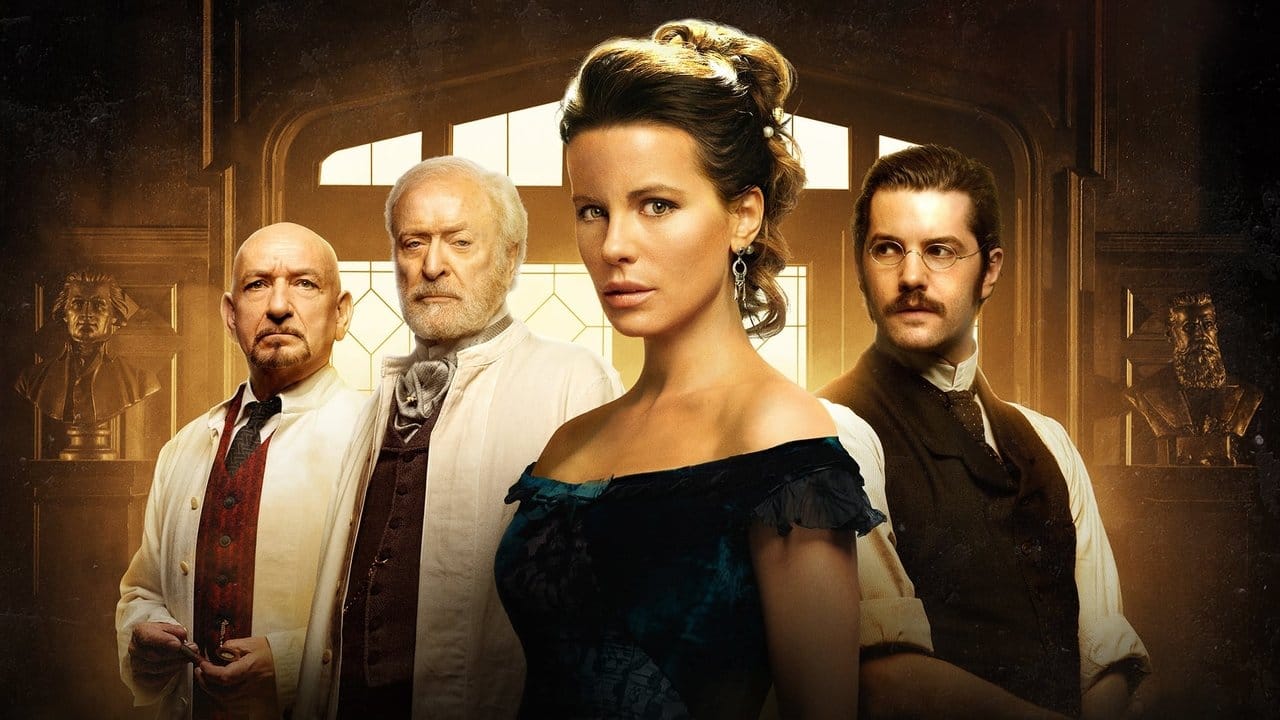
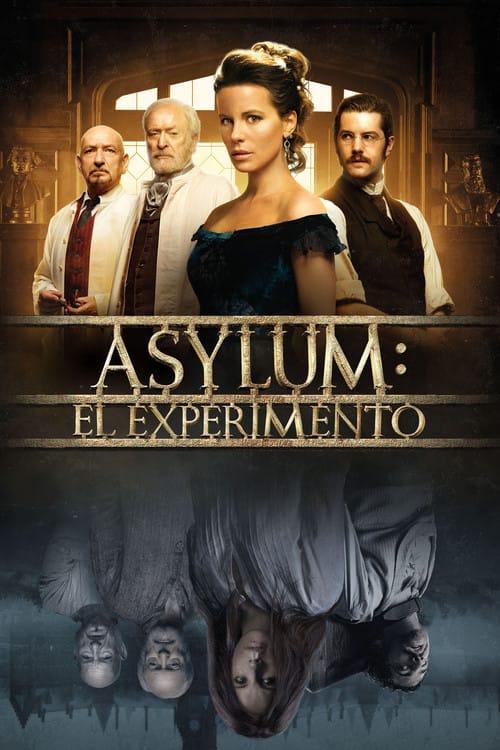
Adaptación del relato de Edgar Allan Poe titulado "El sistema del Dr. Tarr y el profesor Fether". Sturgess interpreta al estudiante de medicina de Harvard que en la historia de Poe se adentra en el manicomio sin saber el cambio de papeles que ha habido en la institución. En el film se cruzará y enamorará de una joven que está encerrada bajo unas circunstancias que no son lo que parecen.
Reparto principal








Más como esto





Communauté
7.0
Note Trakt
2.6K votes
10
269
9
129
8
524
7
774
6
573
5
196
4
68
3
26
2
9
1
42
8.3KSpectateurs
110.0KCollectés
5.4KListes
Avis de la communauté (10)
C
cyruzVIP★7/10Dec 3, 2014
The end put quite the smile on my face.
♥9
N
NightPerseida★8/10Oct 10, 2015
is better than I expected
♥5
S
senbaldorVIPCritique★8/10Jun 7, 2026
# Reception and Legacy - Critical Reception - Mixed reviews - Praise for visual aesthetic and ensemble cast - Critique regarding predictability of the twist # Themes and Meaning - The Fine Line - Sanity vs. Insanity as a social construct - The thin boundary between healer and the healed - Power and Control - Institutional abuse - The irony of 'liberation' through tyranny # Cinematography and Sound - Visuals - Muted color palette of greys and browns - Claustrophobic, labyrinthine architectural framing - Score - Orchestral, tension-building strings - Atmospheric use of diegetic industrial noise # Narrative Structure - Core Conflicts - Doctor vs. Patient power dynamics - The struggle for moral authority - Identity deception - Style - Victorian gothic atmosphere - Unreliable narrator framework - Twist-heavy Victorian thriller # Character Analysis - Edward Newgate - Driven by empathy - Searching for professional redemption - The quintessential observer-turned-participant - Silas Lamb - Charismatic leader - Violent anti-establishment ethos - Manifestation of trauma-induced cruelty - Eliza Graves - The 'hysteric' as the symbol of societal entrapment - Catalyst for Newgate's emotional awakening # Summary Insights - The film serves as a subversion of the 'asylum' trope, where the institution's 'treatment' is revealed to be more insane than the patients it contains. - The character of Silas Lamb mirrors the dangers of charismatic demagoguery, proving that even those who reject institutional cruelty can replicate it in their quest for control. - The visual design emphasizes entrapment; the architecture of Stonehearst mimics the fragmented psyches of its inhabitants. - The 'twist' regarding Edward Newgate’s identity serves as a philosophical commentary on how one’s past trauma dictates one’s perception of morality. - The film functions as a Gothic exploration of Victorian-era scientific arrogance, highlighting the transition from brutal archaic medicine to more 'progressive' but equally flawed practices.
N
NealZVIPCritique★6/10Oct 2, 2024
A movie with Kate Beckinsale that I’ve never seen before? What kind of sorcery is this? What really stood out to me was how the movie embraced that old-fashioned vibe and the costumes. It wasn’t just any historical setting—it felt like the perfect, almost idealized version of the 19th century that you see in movies. Everything had this classic, almost exaggerated feel, like how we imagine the past through the lens of film. Dark, foggy streets, grand but decaying buildings, and those moody, candle-lit rooms that scream "Gothic horror." It was a bit of a cliché, but the good kind, where you actually enjoy being transported to this overly dramatic, cinematic version of the time period. The story itself was really intriguing, though I’ll admit I didn’t catch all the details on the first watch. The film plays with your perception a lot, making you constantly question what's real and what’s just in the characters' heads. That kept me engaged throughout. The cast was fantastic as well. Kate Beckinsale, as expected, was stunning and took over every scene she was in. Jim Sturgess, Brendan Gleeson, Ben Kingsley, and Michael Caine all did an excellent job, and their performances really fit the heightened, dramatic tone of the movie. However, by the end, I started feeling a bit lost. The first major twist was revealed early enough, but then there were more twists, and after a while, they started to feel excessive. It was like the film kept trying to outdo itself, and instead of adding depth, it just made things feel a bit convoluted. At some point, the story lost a bit of its initial momentum and began to drag. Still, I found it entertaining. It’s one of those films that’s visually captivating, even if some of the plot points felt overdone. And while it felt like a movie I had seen before, it still had its own charm. If you’re into period horror films that lean into that classic, dramatic representation of the past, it’s definitely worth a watch. Not perfect, but it keeps you intrigued.
M
mrkesu★4/10Mar 26, 2024
Why did they ADR the last line "Si, grazie?
Reseñas