Cargando...
8.1·1927·153 min·Deutsch·Dirigida por Fritz Lang
No puede haber acuerdo entre las manos y el cerebro a menos que el corazón actúe como mediador.
DramaCiencia ficción
Sinopsis
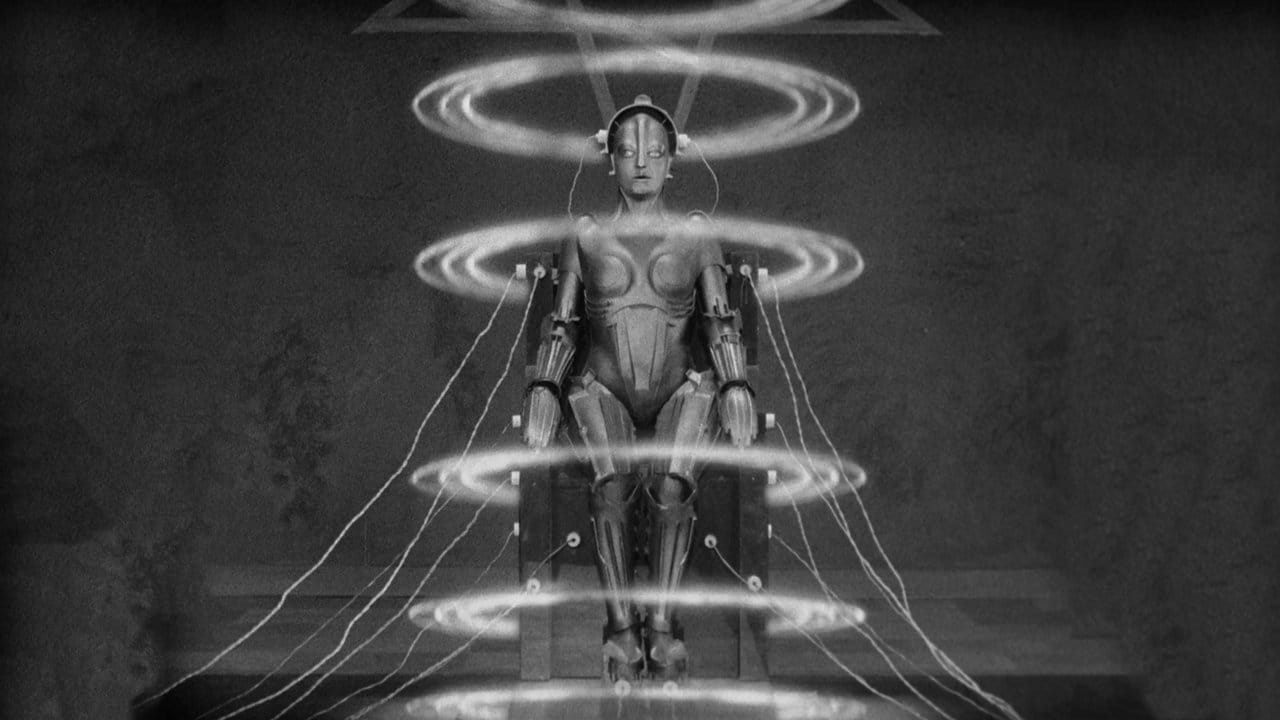
En una megalópolis del año 2000, los obreros están condenados a vivir recluidos en un gueto subterráneo, donde se encuentra el corazón industrial de la ciudad. Sin embargo, incitados por un robot, se rebelan contra la clase dominante y amenazan con destruir la ciudad exterior. Freder (Gustav Frölich), el hijo del soberano de Metrópolis, y María, una muchacha de origen humilde, intentarán evitar la destrucción apelando a los sentimientos y al amor.
Reparto principal
Gustav Fröhlich
Freder Fredersen

Brigitte Helm
Maria / The Machine Man
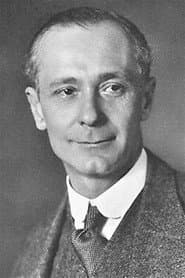
Alfred Abel
Johann 'Joh' Fredersen
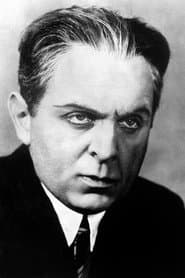
Rudolf Klein-Rogge
C.A. Rotwang
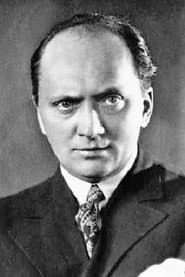
Theodor Loos
Josaphat
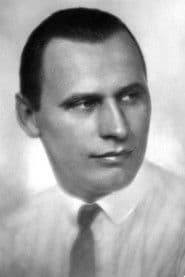
Fritz Rasp
The Thin Man
Erwin Biswanger
No. 11811 - Georgy
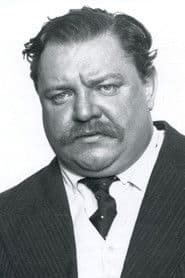
Heinrich George
Grot
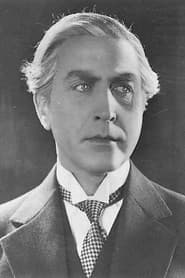
Fritz Alberti
Creative Human - Man Who Convinces Babel (uncredited)
Grete Berger
Working Woman (uncredited)
Más como esto
Communauté
8.0
Note Trakt
3.6K votes
10
784
9
617
8
1.0K
7
547
6
331
5
85
4
76
3
31
2
31
1
35
10.7KSpectateurs
156.7KCollectés
17.6KListes
Avis de la communauté (11)
N
nomissilloc★10/10Jun 30, 2013
The recent restoration based on the almost-complete version found in Buenos Aires, with the recording of the original orchestral score that was composed for the movie - that's the one you want. The shorter ones that are on Internet Archive are OK too, but you miss so much. There's still 8 minutes missing from the recent restoration though, but the restored one looks so much better (it even has the original title cards, which are much more ornate than the ones you see on the shorter versions). The movie is probably the pinnacle of 20s German expressionist cinema, and Brigitte Helm is terrific. It's an absolute classic, despite some overacting, and if you like this then I'd also recommend the 1922 Nosferatu, Cabinet of Dr Caligari and ANYTHING with Lon Chaney (sr) in it.
♥14
A
AndrewBloomVIPCritique★9/10Jan 16, 2023
♥5
F
fabiomello★10/10Mar 21, 2012
one of the most awesomest movies in the entire film history, really breathtaking, 9,5/10.
♥5
D
drqshadowCritique★5/10Jul 28, 2020
Fritz Lang's sci-fi godfather has been through several levels of re-cut hell over the past hundred years. Slashed by nearly an hour for its original western release, trimmed further by Nazi censors in 1936, color tinted and re-edited in the '80s (with a modern rock soundtrack) by Giorgio Moroder, then painstakingly restored for Blu-Ray in 2010, using lost footage from an old print in Buenos Aires. Up until now, my entire memory of the film comes from the Moroder version, which didn't make much sense from a story perspective but always wowed me with its wild, futuristic visions, ambitious special effects and expansive set designs. The restored version offers improvement in both respects. Now cast in gorgeous monochrome, as intended, the art direction is even more stunning. New scenes and high-resolution scans give us new chances to admire the sprawling city, to really soak up the vast scale of Lang's concept. And the plot, naive and airy as it may be, actually moves in sensible directions now. It's incredibly slow moving and drawn-out, sure, overloaded with long shots of talking heads (which seems unnecessary for a silent picture) but at least it's headed somewhere. As a long-time fan of the film, I'm glad to have finally seen the full thing. It's an iconic marvel, an artistic triumph that's, somehow, just as hypnotic now as it must've been in post-WWI Germany. That said, actually wading through the scenes without some sort of huge, dazzling art deco set piece, well, it can feel like work. I needed four sittings to get through this two-and-a-half hour behemoth, and I was personally invested before it hit my media shelf. First-timers will, no doubt, find it smothering. Deeply influential as a production, astounding as a purely visual showpiece, but critically flawed as a whole. Now excuse me while I revisit a few tunes from the 1984 release.
♥2
A
AlexanderZ★8/10Jul 18, 2016
"Metropolis" is a fantastic futuristic view of the fight of classes. When "Metropolis" was shot, it was a romantic revolutionary period of mankind history, with socialist movements around the world. Fritz Lang directed and wrote the screenplay of this masterpiece certainly inspired in this historical moment and defending a position of agreement and understanding between both sides, showing that they need each other. I wonder how this great director was able to produce such special effects in 1927, with very primitive cameras and equipment. The city of Metropolis is visibly inspired in New York. The performance of Brigitte Helm is stunning in her double role, and this movie is mandatory for any person that says that like cinema as an art.
♥2
Reseñas