Cargando...
6.1·1948·72 min·English·Dirigida por Clyde Geronimi
AnimaciónMúsicaFamilia
Sinopsis
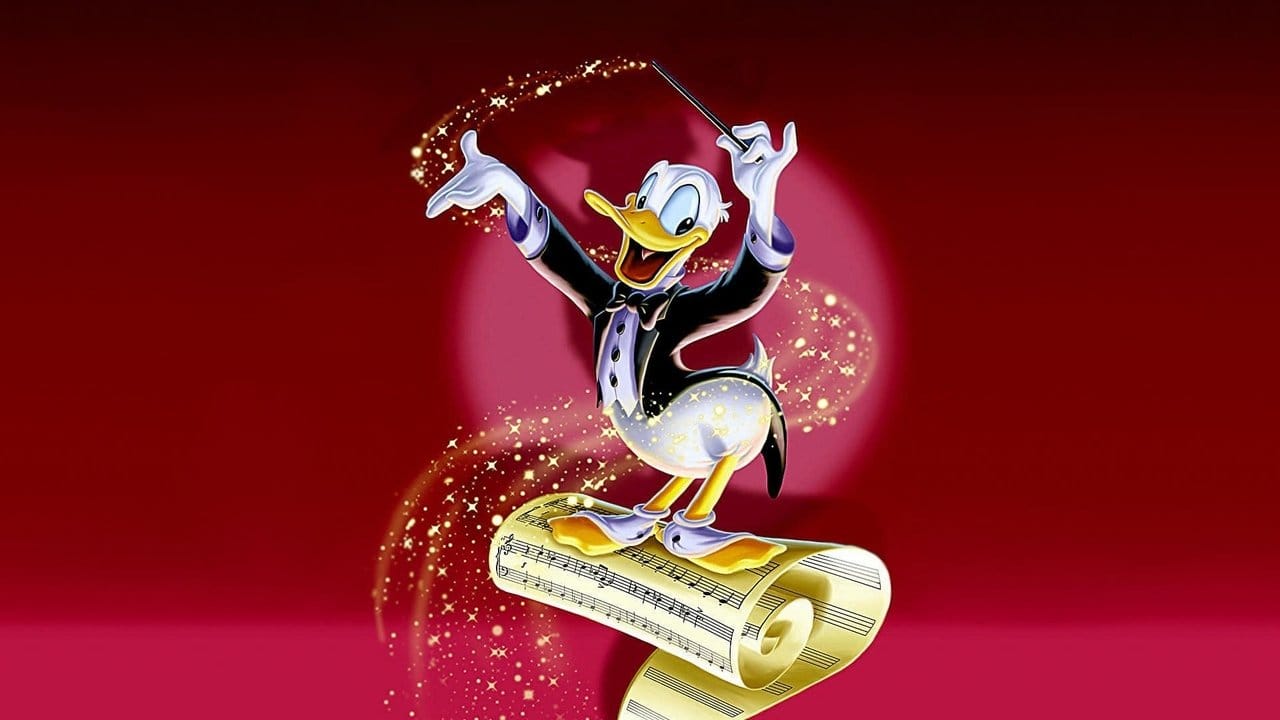
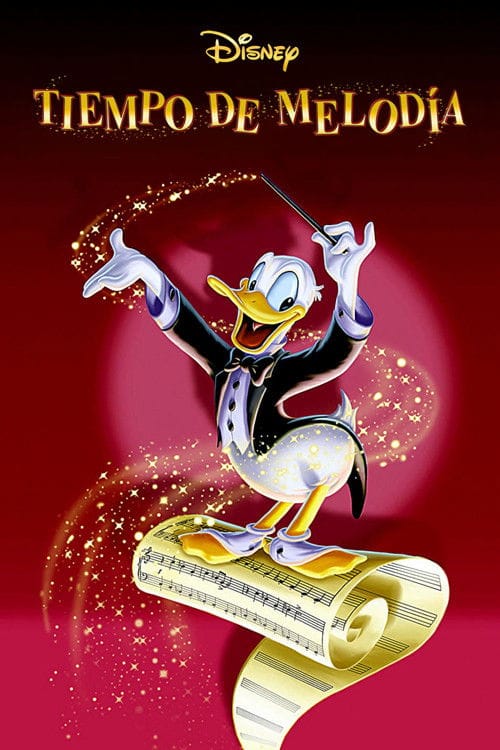
En la más pura tradición de Walt Disney llega este clásico, que hace el número 10, con historias llenas de simpáticos personajes y música muy pegadiza. Únete al Pato Donald en ”Échale la culpa a la samba” y no podrás dejar de mover el cuerpo. En la siguiente historia descubrirás que la música es una verdadera aventura para una abeja muy ocupada en ”El abejorro”. También conocerás a un pequeño personaje, en tamaño, pero de enorme corazón, ”Silbatín”, y con Juanito Manzanas descubrirás cómo el trabajo puede resultar muy gratificante.
Reparto principal


Más como esto
La película de Bugs Bunny y el Correcaminos
1979·7.4
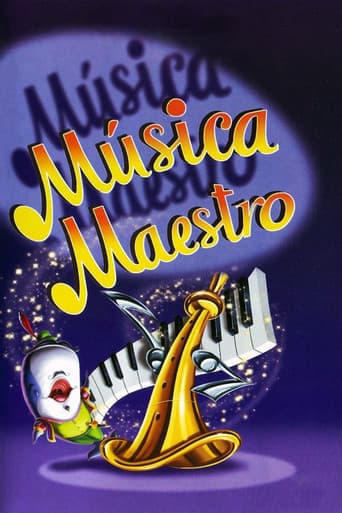
Música, maestro
1946·5.8
Looney, Looney, Looney: La película de Bugs Bunny
1981·7.2
La rebelión de los cuentos
2017·6.8
Hechizados
2024·6.6
Arlo, el chico caimán
2021·6.7
El príncipe Encantador
2018·6.4
Una casa de locos: La película
2021·7.3
El diario de Greg
2021·6.3
Trasto, de la mansion a la calle
2019·6.5
Los 1001 cuentos de Bugs Bunny
1982·7.2
Bratz: Rock Angelz
2005·7.4
Communauté
5.9
Note Trakt
674 votes
10
56
9
4
8
51
7
112
6
212
5
93
4
74
3
27
2
28
1
16
2.6KSpectateurs
58.3KCollectés
3.8KListes
Avis de la communauté (6)
M
MatthewYaxFeb 20, 2012
oldie but a !
♥1
J
JosephC855★2/10Jul 4, 2026
10/64 Melodía 28/05/26 El peor Film del estudio, aburriendo la mayor parte del tiempo, curiosamente los más largos son los peores, es tan decepciónante que siendo el "Sucesor espiritual" de Fantasia tenga canciones tan malas, solo habiendo 2 segmentos que se salvan, lo único que no la hace una bolsa de basura es la hermosa animacion que llega a lograr Disney y más en esos años, su Doblaje, al no tener diálogos no llega a Brillar.
A
ArielRodriguez★7/10Dec 9, 2025
I rate it 7 because I loooved Johnny Appleseeds's story. The rest was kinda meh.
H
heyflpCritique★4/10Feb 26, 2025
"Melody Time" leaves no doubt that Disney’s package films were born more out of financial necessity than artistic inspiration. Released in 1948, it attempts to recapture the magic of “Fantasia,” replacing classical compositions with popular and folk songs. The concept had potential, but the lack of artistic cohesion between the segments results in a disjointed experience—some shorts are engaging, while others feel like mere filler. Ultimately, “Melody Time” struggles to stand out, neither excelling as a musical showcase nor leaving a lasting cinematic impression. On the bright side, unlike some of the other films from this era, it doesn’t waste time with long introductions or unnecessary interludes between shorts. Here, the transitions are straight to the point, keeping the pacing quick—but that doesn’t mean the content itself is worth it. The film kicks off with “Once Upon a Wintertime,” a simple little love story with pretty visuals and a nostalgic vibe, but nothing that truly grabs your attention. Then, “Bumble Boogie” picks up the energy a bit, turning the classic “Flight of the Bumblebee” into a surreal, vibrant trip with dynamic animation—one of the rare moments where the film actually feels creative. Next up is “The Legend of Johnny Appleseed,” telling the story of John Chapman and his journey planting apple trees across the U.S. It’s a sweet segment, but overly sentimental, and the religious elements feel a little out of place compared to the rest of the film. Then there’s “Little Toot,” about a mischievous little tugboat—a concept that could be charming, but the execution falls flat. The animation is fine, but the story drags without any real standout moments, making it one of the most forgettable parts of the collection. “Trees” is one of the shortest shorts and, ironically, one of the most pointless. It looks nice, sure, but there’s no real substance—it feels more like an exercise in style than an engaging narrative. Thankfully, right after that, we get “Blame it on the Samba,” bringing back Donald Duck and José Carioca for a high-energy, surreal musical number. This segment recaptures some of the vibrant spirit of “The Three Caballeros,” blending animation and live-action in a fun way, but ultimately, it just reminds you of how much more inspired and charismatic the 1944 film was. And then we get to the final segment, “Pecos Bill,” which somehow manages to be long, outdated, and awkward all at once. The story of a cowboy raised by coyotes could work as a satire of American folklore, but the tone wobbles between goofy cartoon humor and a weirdly sincere glorification of a character who, let’s be honest, hasn’t aged well. The portrayal of Native Americans is a huge issue—they’re reduced to crude stereotypes and then tossed aside. And if that wasn’t enough, there’s that scene where guns start firing on their own during a kiss—an incredibly unsubtle metaphor that feels like a fever dream, even for a 1940s Disney movie. Ending “Melody Time” with this segment was a poor choice, highlighting the film’s most problematic aspects rather than wrapping things up on a fun, high note. Overall, “Melody Time” suffers from the same problem as nearly every Disney package film from this era: a total lack of identity. While “Fantasia” had a clear vision and a sense of grandeur, this one is just a collection of shorts thrown together out of convenience. Some segments are visually interesting and have value as animation experiments, but most of them are just forgettable time-fillers. Given that Disney cranked out several of these in the ‘40s, “Melody Time” isn’t a disaster—but there’s also nothing about it that really justifies its place in the studio’s official canon. It’s the kind of film that works as a historical curiosity but isn’t something most people will want to revisit.
A
AyumiNoon★6/10May 30, 2023
I've seen it last week. I know I enjoyed it. But I can't remember it at all.
Reseñas