Cargando...
6.3·2007·117 min·English·Dirigida por Peter Webber
Todo comenzó con la venganza.
CrimenSuspenseTerror
Sinopsis
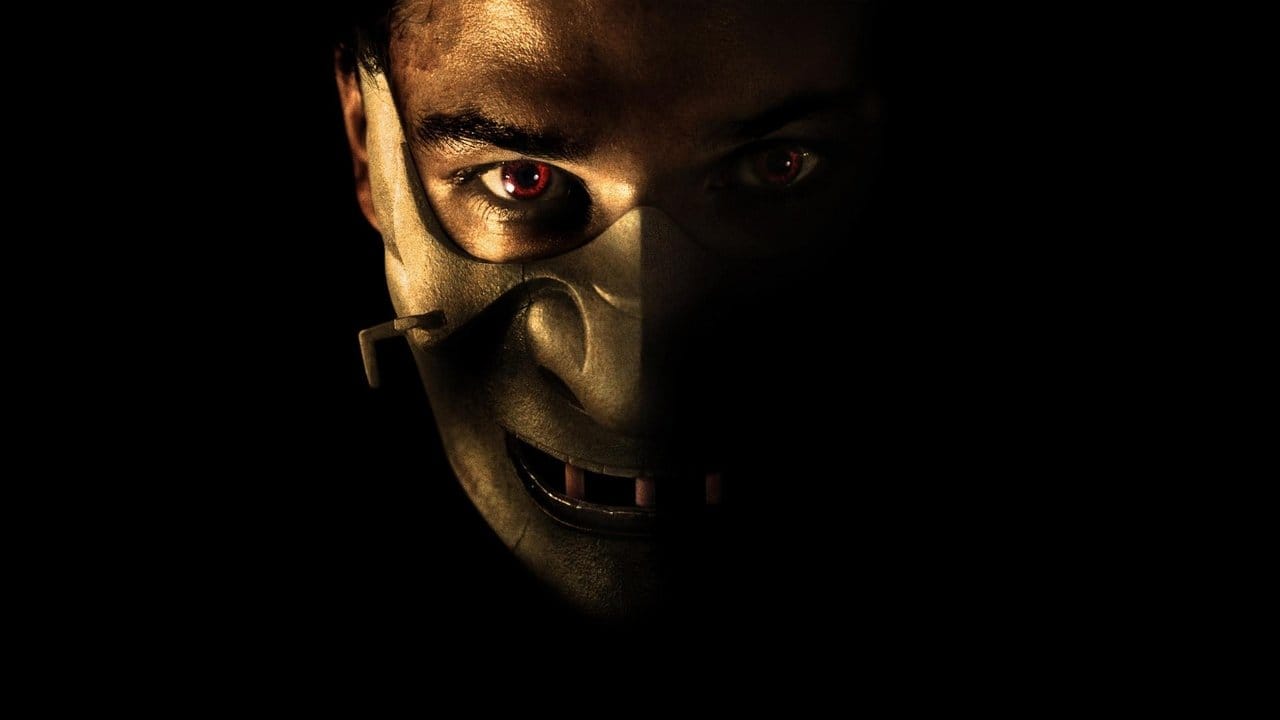
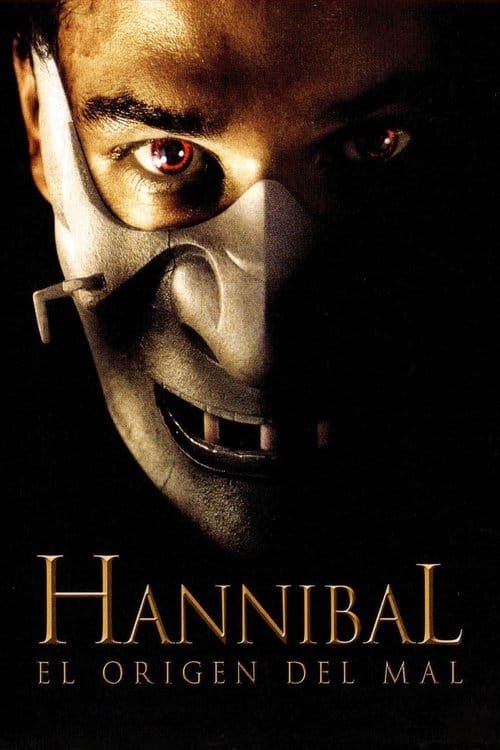
Historia de la juventud de Hannibal Lecter, basada en una novela de Thomas Harris salida a la venta en Estados Unidos en diciembre del 2006. La historia de Lecter comienza en Europa del Este, a finales de la Segunda Guerra Mundial. Hannibal, aún un niño, es testigo del asesinato de sus padres; sin embargo, ésta será la menor de las terribles atrocidades que presenciará y que le cambiarán para siempre.
Reparto principal







Más como esto


Communauté
6.6
Note Trakt
3.6K votes
10
427
9
144
8
547
7
783
6
922
5
324
4
215
3
76
2
82
1
130
14.7KSpectateurs
125.3KCollectés
6.8KListes
Avis de la communauté (11)
U
Username57★3/10Jul 25, 2019
I REALLY WASTED MY TIME WTF WAS THIS EVEN ABOUTTTT
♥1
I
indeed2015VIP★8/10Jul 8, 2014
LI GONG IS HOT that is all
♥1
P
plittlefield★8/10Apr 7, 2013
This is exactly what a prequel should be... engaging, clever, detailed, relevant. The perfect aperitif to the new Hannibal TV series.
♥1
S
senbaldorVIPCritiqueJun 7, 2026
# Context and Legacy - Background - Based on Thomas Harris's novel - Attempts to humanize a legendary villain - Reception - Polarized critics due to de-mystification of the character - Struggles to surpass the shadow of Anthony Hopkins # Themes and Meaning - Philosophy - Loss of innocence as a catalyst for evil - The morality of vengeance - Symbolism - The samurai mask as a metaphor for hidden identity - The soup/cannibalism motif # Cinematography and Sound - Visuals - Cold, desaturated Eastern European palette vs. warm French aesthetic - Soundscape - Ilan Eshkeri's haunting score - Subtle use of ambient silence to emphasize dread # Narrative Structure - Plot Progression - Childhood trauma in Lithuania - Orphanage era - Escape to France - Hunt for war criminals - Style - Linear biographical narrative - Revenge thriller framework # Character Analysis - Hannibal Lecter - From victim to predator - Intellectual arrogance - Repression of cannibalistic impulses - Lady Murasaki - The mentor figure - The bridge between Japanese culture and Lecter's refinement # Summary Insights - The film intentionally strips Lecter of his enigmatic aura, framing his psychopathy as a byproduct of external historical trauma rather than inherent evil. - The relationship with Lady Murasaki provides a cultural veneer to Lecter’s violence, linking his culinary obsession to the ritualistic nature of his kills. - By focusing on the post-WWII environment, the movie contextualizes the birth of a monster within a society that has itself lost its moral compass. - The transformation is depicted as an intellectual evolution; Lecter learns to weaponize his grief into a structured, cold, and aestheticized form of retributive justice.
J
jarvis-8243417★3/10Oct 20, 2025
Ugly and incoherent, _Hannibal Rising_ is the Lecter film that nobody wanted. In this prequel a young Hannibal Lecter attending medical school seeks out the war criminals that murdered his sister. The cast is forgettable and their performances are lifeless. The film tries to make Hannibal into a sympathetic character, but does so in the worst possible way; by making all of the other character more despicable and more repugnant than him. Nothing in _Hannibal Rising_ works, and it provides nothing of value to the Lecter saga.
Reseñas