Cargando...
7.4·2024·110 min·ca·Dirigida por Marcel Barrena
Drama
Sinopsis
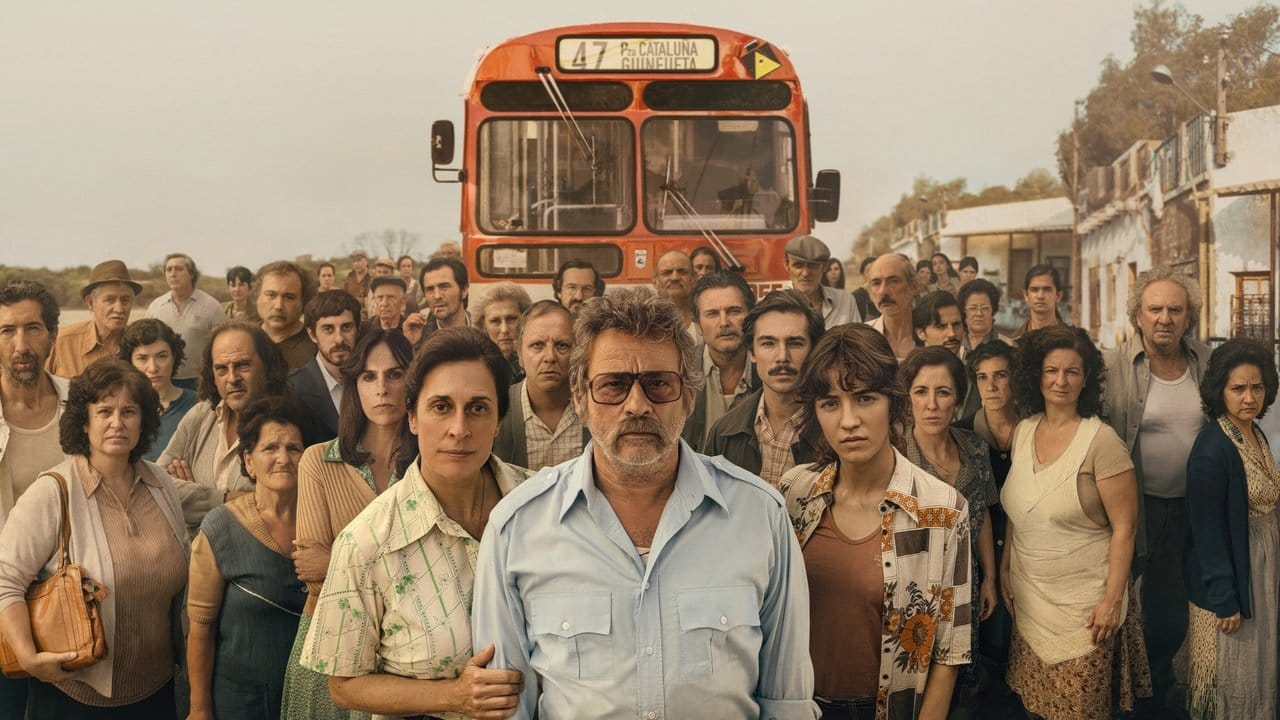
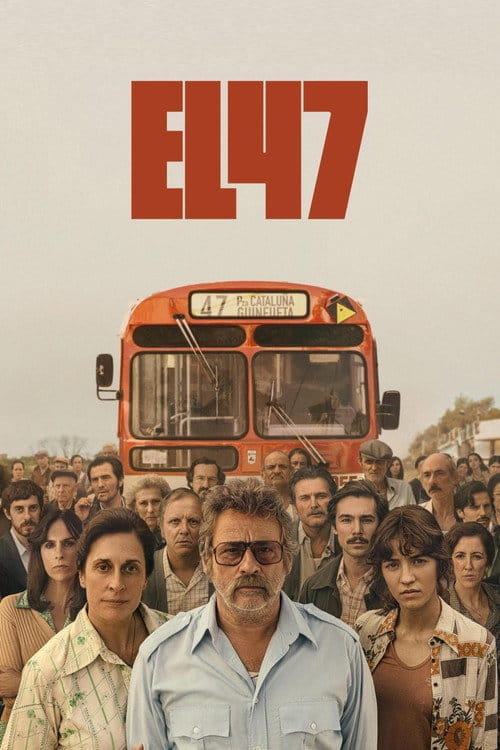
Un acto de disidencia pacífica y el movimiento vecinal de base en 1978 transformó Barcelona y cambió la imagen de sus suburbios para siempre. Manolo Vital, un conductor de autobús que se adueñó del bus de la línea 47 para desmontar una mentira que el Ayuntamiento se empeñaba en repetir: los autobuses no podían subir las cuestas del distrito de Torre Baró. Un acto de rebeldía que demostró ser un catalizador para el cambio, de que las personas se enorgullecen de sus raíces, de una lucha del vecindario, de la clase trabajadora que ayudó a crear la Barcelona moderna de los años setenta.
Reparto principal










Más como esto

Solo la verdad
2018·6.9
Una vida mejor
2011·7.2
Richard Jewell
2019·7.4

A millones de kilómetros
2023·7.6

El banquero
2020·7.6

En América
2003·7.2

Call Me Crazy: A Five Film
2013·7.0

Skin
2009·6.4

Hasta el fin del mundo
2024·6.5

Flamin'Hot: La historia de los Cheetos picantes
2023·7.9

American Underdog
2021·7.1
Sueños de trenes
2025·7.3
Communauté
7.8
Note Trakt
2.1K votes
10
454
9
226
8
656
7
396
6
155
5
164
4
27
3
9
2
8
1
15
6.7KSpectateurs
1.1KCollectés
1.4KListes
Avis de la communauté (2)
M
miguelreina★6/10Jan 15, 2025
A well-intentioned film that falls into all the clichés of social cinema, full of speeches that predominate over dialogue, building unnecessary antagonistic characters and remaining on the surface of the representation of an era that seems more interested in being visually correct than narratively complex. At least it manages to highlight the relevance of immigration (of those expelled) in the development of Catalonia. But the film is driven (and saved) by two great performances by Eduard Fernández and Clara Segura, capable of shaping three-dimensional characters in the midst of a one-dimensional proposal.
♥3
D
decatur555VIP★8/10Feb 6, 2025
El 47 brings to life a little-known yet essential chapter of Spanish history, narrating the peaceful rebellion of a working-class neighborhood in the late 1970s. Marcel Barrena directs with a sense of clarity and emotional honesty, allowing the story to unfold without unnecessary embellishments. Eduard Fernández delivers a phenomenal performance, embodying the spirit of an everyday hero with naturalness and conviction. His portrayal feels authentic and deeply rooted in the community he represents, making his character's struggle both relatable and inspiring. The film's setting and period reconstruction effectively transport the audience to the post-Franco transition, although some aspects of the historical context could have been explored in more depth. While El 47 may not surprise with its structure, it compensates with sincerity and heart, offering a powerful reminder of the importance of collective action. The film stands out as a testament to resilience, a piece of cinema that values the people behind historical change as much as the events themselves.
♥2
Reseñas