Cargando...
6.7·1981·89 min·Español·Dirigida por Pilar Miró
DramaHistoria
Sinopsis
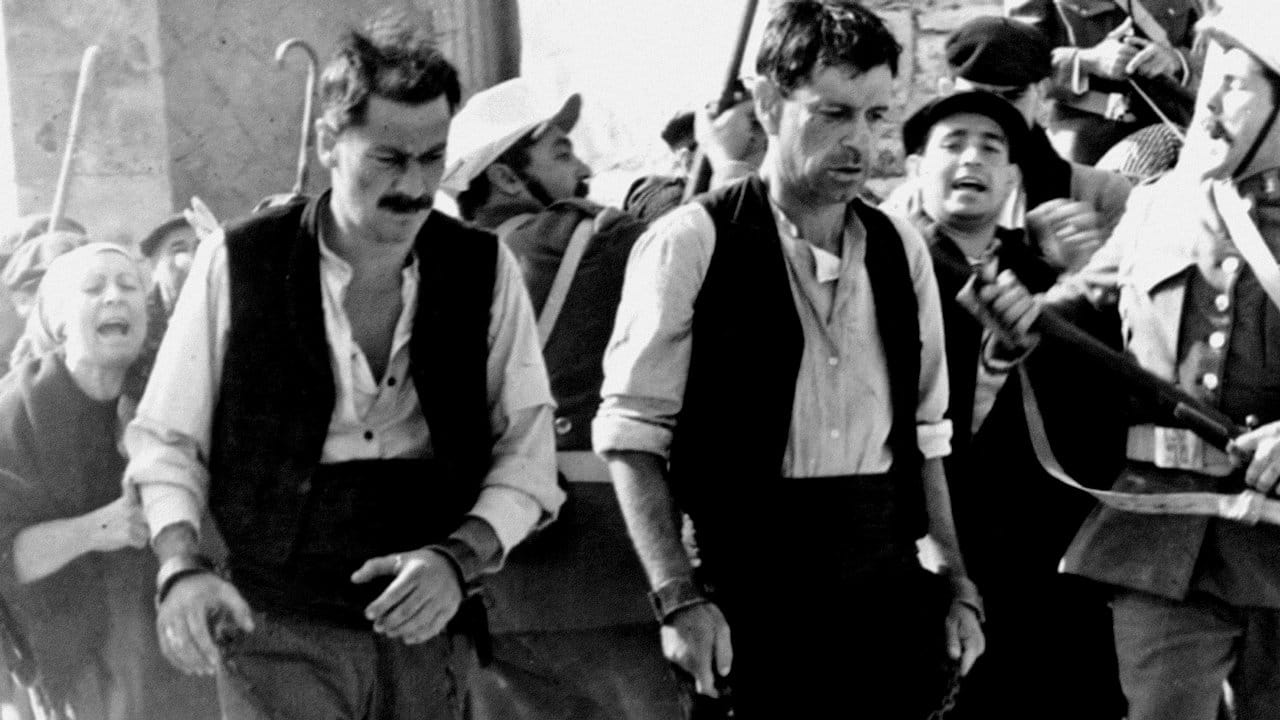
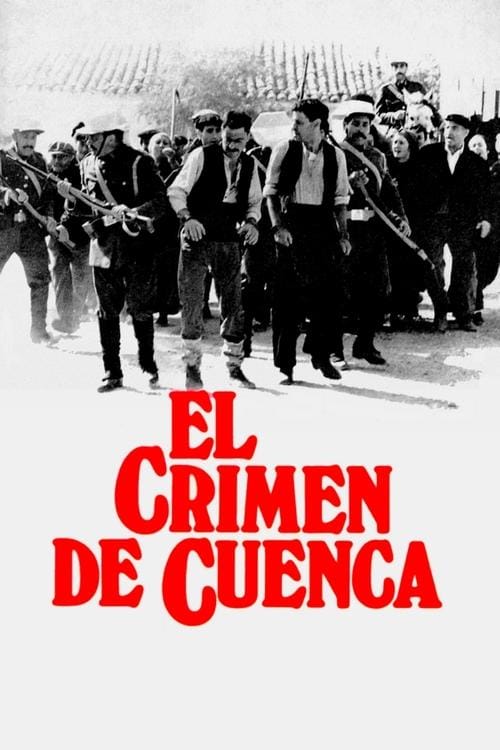
Osa de la Vega, Cuenca, España, 1913. Gregorio y León, empleados en la finca del alcalde del pueblo, un poderoso terrateniente, son detenidos y acusados del asesinato de José María el Cepa, un pastor desaparecido misteriosamente tres años antes.
Reparto principal





Más como esto
La trinchera infinita
2019·6.9
Xiu Xiu: The sent down girl
1998·7.2
Los muchachos no lloran
1999·7.4
The Nightingale
2018·7.1
Yo vigilo el camino
1970·5.9
Perros de paja
1971·7.2
Experimento en la prisión de Stanford
2015·6.8
Los secuestros de Cleveland
2015·7.2

Mexicali
2026·7.8
El médico alemán
2013·6.5
La escapada de Sobibor (Escapada final)
1987·7.2

La chica que lo tenía todo
2022·6.5
Communauté
6.7
Note Trakt
57 votes
10
4
9
2
8
14
7
14
6
12
5
6
4
2
3
2
2
1
1
156Spectateurs
326Collectés
136Listes
Avis de la communauté (2)
D
decatur555VIPCritique★7/10Mar 15, 2025
The Crime of Cuenca is not an easy film to watch, nor does it intend to be. Its impact goes beyond the story it tells. It not only exposes one of the greatest judicial injustices in Spain but has also become a symbol of the fight against censorship. Pilar Miró, with her bold and uncompromising direction, immerses the viewer in an unsettling story where brutality and the absolute abuse of power are laid bare without filters. But what unsettles the most is not just what it tells, but how it tells it. The film reconstructs the events with a rawness that remains shocking to this day. The performances of Daniel Dicenta and José Manuel Cervino are harrowing, and the relationship between their characters adds a level of humanity that makes their suffering even harder to endure. They are not just victims of justice but of a system corrupted by social pressure and impunity. The torture scenes were, and still are, the most controversial aspect of the film. Miró does not hold back: she presents them in a stark and direct way, to the point of being almost unbearable. It is difficult not to look away, but that is precisely the point. It is not gratuitous violence but a way to expose the brutality of a system willing to create scapegoats just to close a case. However, the film does not dwell solely on violence. It goes further, focusing on the hypocrisy of a society that, without evidence, preferred to condemn rather than question. On a technical level, the film stands out for its cinematography, which reinforces that feeling of suffocation and despair, and for Antonio García Abril’s score, which accompanies the story without overemphasizing the tragedy. The supporting cast is also crucial, with names like Fernando Rey, Héctor Alterio, and Amparo Soler Leal, all of whom add depth and weight to the narrative. Perhaps The Crime of Cuenca is not a perfect film. At times, its tone is too theatrical, and some scenes extend the suffering of its protagonists longer than necessary. But its significance goes beyond cinema. It is a necessary testimony, a reminder of how easy it is to fabricate truth through lies and the dangers of a justice system that seeks culprits rather than the truth.
♥1
A
adansantos★2/10Aug 21, 2024
Un truño, absolutamente infumable.
Reseñas