Be not afraid.
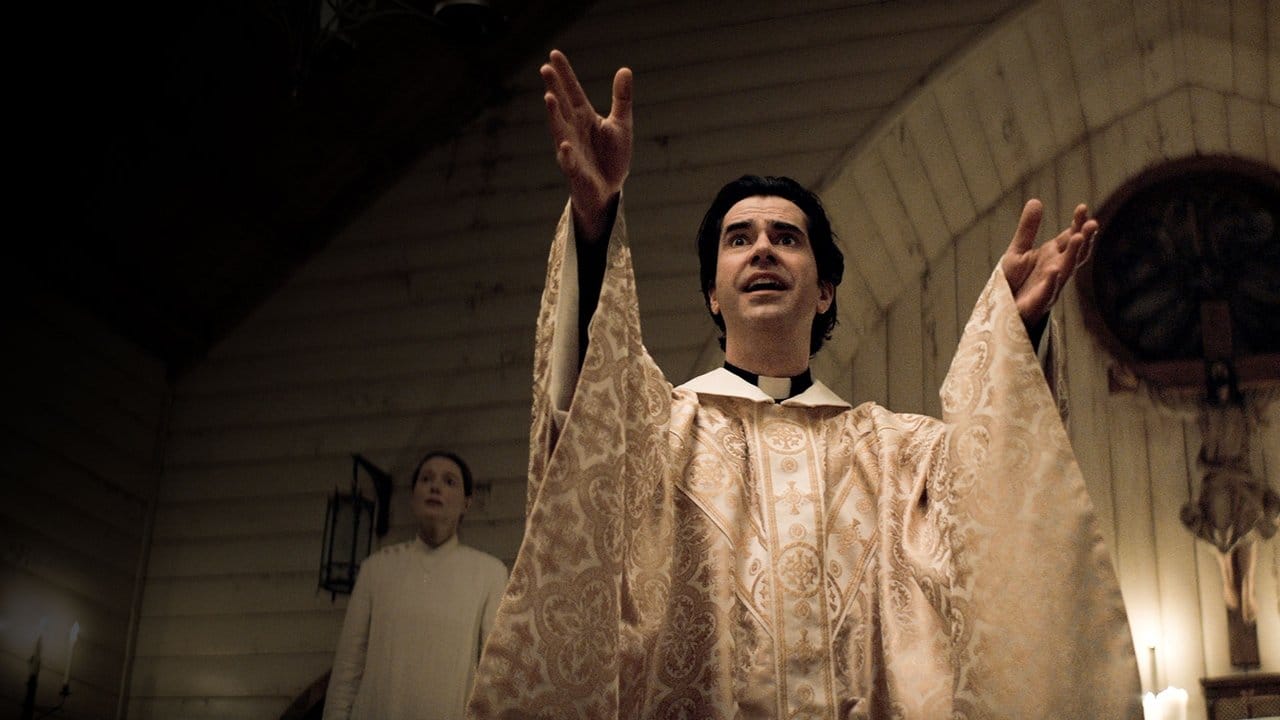
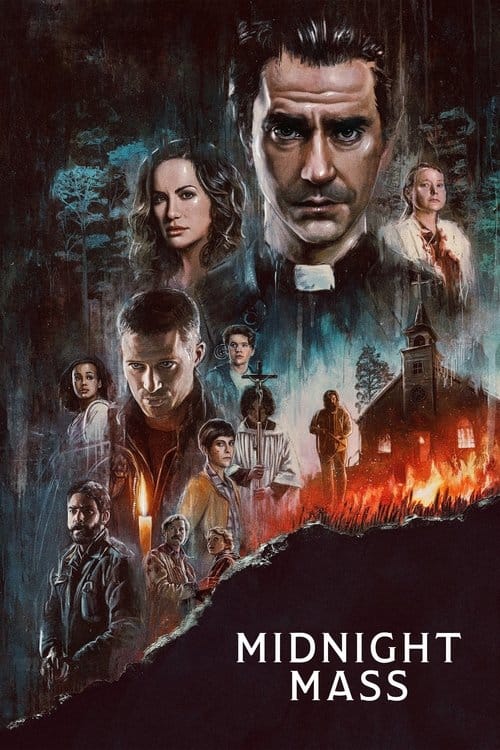
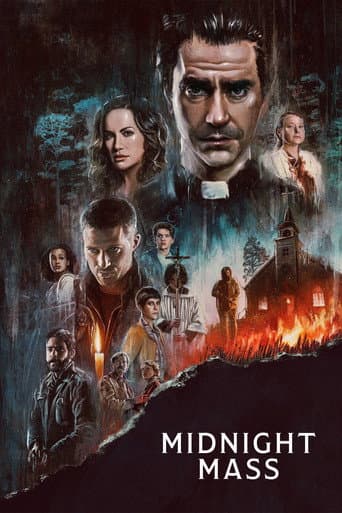
The arrival of a charismatic young priest brings glorious miracles, ominous mysteries and renewed religious fervor to a dying town desperate to believe.









Avis de la communauté (11)
Very slow moving, and WAY too much religion - I had to fast-forward through a lot of tedious monologue. Couldn't finish the 3rd episode - don't care what it was all about.
it's a hard watch. It's slow, wordy character development will have you often asking "what's the point?" It's a story about religious interpretation and how ones interpretation of religion determines what's evil. This asks "Is our interruption wrong? and what if what we considered to be an incorrect interpretation is what's actually right?" This is a dark show that questions religious beliefs. If that interests you then it's worth watching. I think I would have enjoyed it more if it was a movie or a 4hr mini series, as it tends to drag especially through the first 3 episodes but the premise is thought provoking enough to warrant interest through til the end.
I still have _Absentia_ and _Before I Wake_ of his non-obscure works left to see, but I find this the best thing Flanagan has done to date. It turns out "original work + heavily literary-influenced" is the ideal middle point of this director, so his preoccupied philosophical/religious ideas don't feel as grafted on as sometimes happen in his adaptations (like the last episode of _Hill House_), and the influence helps stressed the emotional/thematic resonance further than his more purely formal genre exercises (like _Hush_ or _Oculus_). The complexity here feels very much Stephen King-influenced (agreed with some comments of "best King novel that he has never written"), but being original work means Flanagan starts off with pure atmosphere and characterization of his own creation, which is why I don't find the pacing and monologues of early episodes to be too much like others do. They feel like carefully crafted momentums that deepen this rich world and cast of characters to parallel the horror-tinged mysteries taking place alongside them. In fact, the only time they truly feel their length is when the other shoe drops a full reveal at the series' midpoint in Episode 4, because as good as its "after death" discussion and others are, they now feel in the way of a clear forward narrative now gaining steam proper. This problem persists a bit into Episode 5, but the devastating ending finally has the characters caught up with the audience, leading into the last two episodes that are the best landing in either of Flanagan's films or series. Horrific, supremely crafted, and surprisingly tender, the ending of series sees Flanagan has the characters confront their past traumas and current beliefs (whether firm or wavering) alongside the horror taking place, and the way he clearly grapples and ponders along with his own characters onscreen during the final stretch is the most moving filmmaking this director has ever done.