Loading...
6.4·1975·145 min·English·Directed by John Schlesinger
By train, by car, by bus, they came to Hollywood... in search of a dream.
Drama
Synopsis
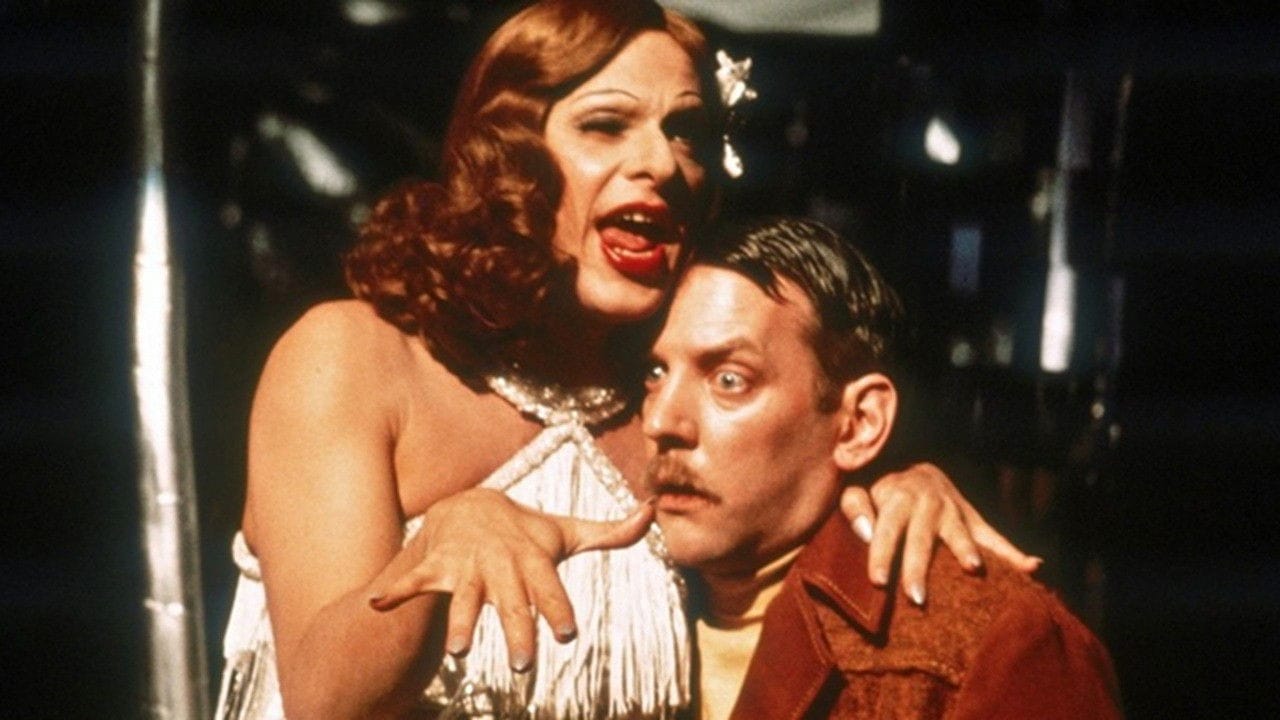
Hollywood, 1930s. Tod Hackett, a young painter who tries to make his way as an art director in the lurid world of film industry, gets infatuated with his neighbor Faye Greener, an aspiring actress who prefers the life that Homer Simpson, a lone accountant, can offer her.
Main Cast




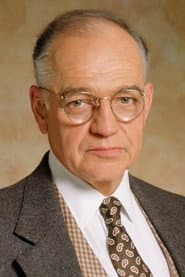
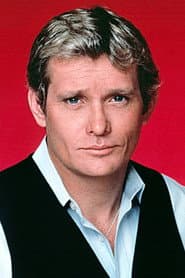
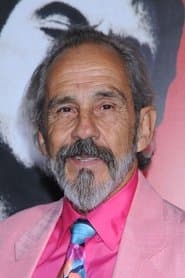


More Like This

Communauté
6.6
Note Trakt
100 votes
10
6
9
4
8
14
7
25
6
38
5
6
4
4
3
2
1
2
261Spectateurs
5.0KCollectés
889Listes
Avis de la communauté (3)
M
moonkodi★6/10Dec 10, 2016
Hollywood in the 30s. Broken dreams, Hollywood society etc The characters were good. The cinematography was exellent (it told the story better than dialogue at times.) There just wasn't enough great scenes or plot development to make the whole movie exciting for the whole duration. It could have been shorter. There were a lot of immoral acts and then immoral people making choices that made Hollywood seedy, I get that, but that was too big of a repetitive theme. The ending was so over dramatic that it was like a nail in a coffin. It felt like a shock ending was used as means to and end, in that it created an illusion a great tension beforehand. I didn't care that the boy dressed as a girl got stamped to death. All the characters were very unlikeable apart from Homer who was designed to have sympathy for then kill. I didn't really care much about him either. When the movie got it right in the story telling with the cinematography it was pretty awesome but it never lasted.
♥1
T
The_ArgentinianDec 5, 2025
What a strange movie. The first act is a total drag. Nothing interesting happens. The production makes this watchable. It shares it's DNA with The Godfather and Chinatown.
V
VWFringe★8/10May 28, 2022
Best friend from high school schooled me about some very unique points of this film -- all of the films shots are composed to avoid any modern appurtenances -- remember they couldn't fix it in post. So, as a period piece it's masterful -- showing Hollywood and Los Angeles as it would've looked back in the 1930's! Also, notice the theme of water -- remember LA used to be dry...having money meant you could water a lawn, thus water becomes a bit actor in the story of haves and have-nots. Props to the director and cinematographer! Thank you, Mike Wyatt...you could have taught film history and written for comedians!
Reviews