Loading...

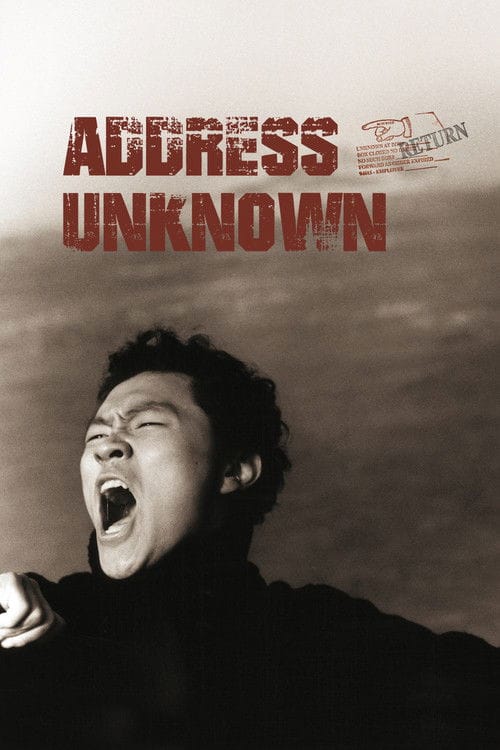
7.1·2001·117 min·한국어·Directed by Kim Ki-duk
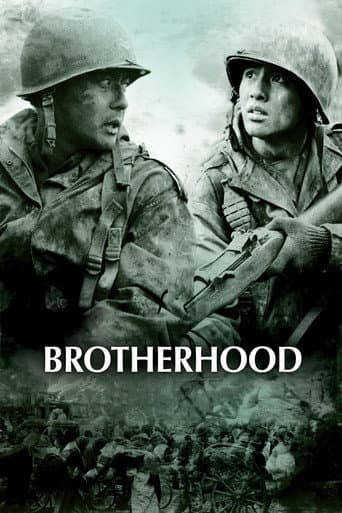
Innocence is a casualty of war.
Drama
Synopsis
Romances end in blood and the frail hopes of individuals are torn apart in a vile karmic continuity of colonialism, civil war and occupation. After surviving Japanese colonization, Korea became the first war zone of the Cold War. The legacy of war remains today in this divided country.
Main Cast









More Like This









Communauté
7.2
Note Trakt
54 votes
10
6
9
3
8
16
7
20
6
3
5
1
4
1
3
2
2
1
1
1
170Spectateurs
4.7KCollectés
331Listes
Avis de la communauté (2)
G
GÜZSTÄV77VIP★8/10Jan 15, 2026
This isn't a film "to enjoy." It's one to endure. Contaminated by wounds that never healed. Nothing is clean: not the violence, not the desire, not the identity, not the love. There's no explicit horror, but something more unsettling: everyday cruelty. The camera doesn't judge or explain. It observes. And that's worse. Each character is trapped in a kind of limbo: children of absent parents, from countries that no longer exist, from wars that ended on paper but still throb in their blood. Visually, it's stark, cold, almost documentary-like. The color red (the bus, the blood, certain objects) appears like a scream in the middle of a gray world. Nothing is left to chance. It's not cinema for passive viewers. It's cinema that looks back at you and asks you what you do with other people's pain.
E
eyestraneApr 12, 2021
One of the most brutal, bleakest films ever made (IMHO). Pop some popcorm, gather the family around and settle in for a depressive ride!
Reviews