Laden...


6.8·1993·87 min·English·Regie Joseph Ruben
Das Böse hat viele Gesichter.
DramaThrillerHorror
Handlung
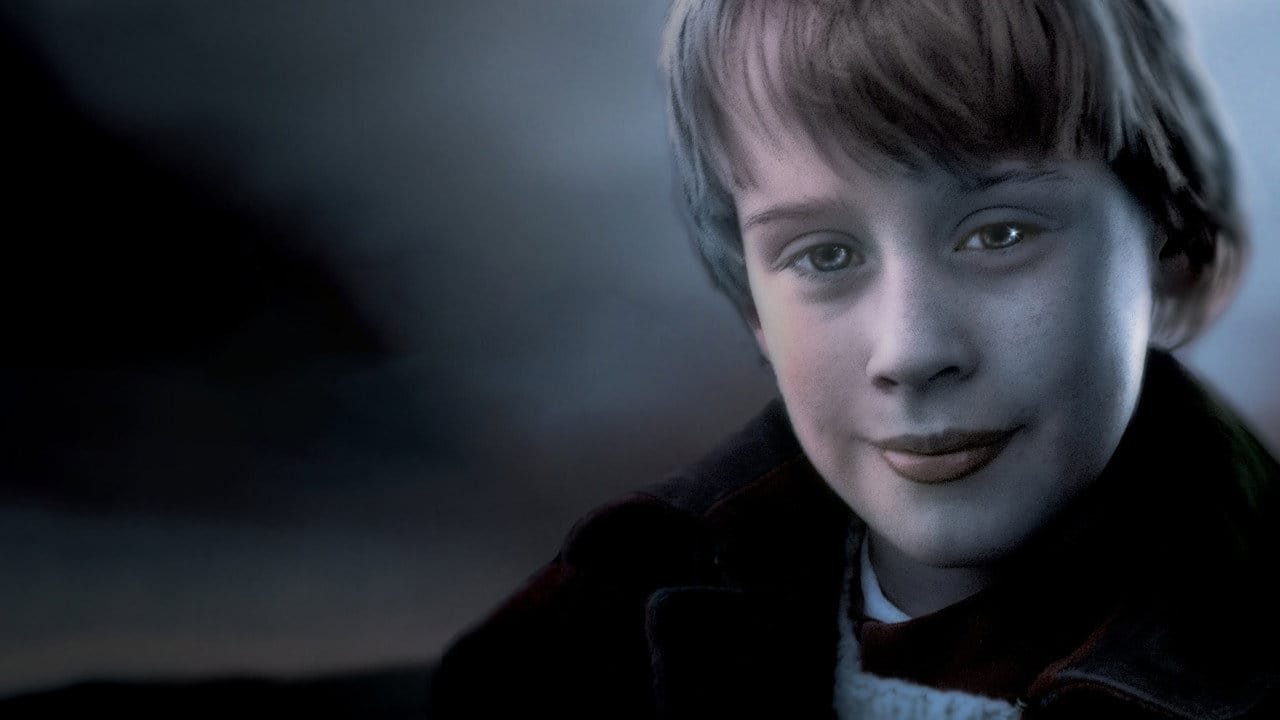
Auf den ersten Blick wirkt der kleine Henry Eavens wie ein ganz normaler, liebenswerter Junge. Seine Eltern kennen ihn als liebevollen Sohn und umsichtigen Bruder, der seine kleine Schwester über alles liebt. Doch hinter seinen Engelsgesicht verbirgt sich eine diabolische, mordlüsterne Seele, die immer dann zum Vorschein kommt, wenn die Eltern nicht hinsehen. Wenn seine Familie wüsste, wie sich ihr kleiner Liebling amüsiert und welche abartigen Spiele er spielt, würde sie das kalte Grauen packen. Mark Evans, Henrys Cousin dagegen, der nach dem Tod seiner Eltern bei Henrys Familie wohnt, begreift schon bald, dass sich hinter dem zarten Äußeren seines Cousins das zweite Gesicht des Bösen verbirgt. Er versucht sich seinem diabolischen Cousin entgegenzustellen und riskiert mehr als nur sein junges Leben.
Hauptdarsteller






Mehr wie das

Funny Games U.S.
2008·6.6
Good Boy - Wir wollen nur dein Bestes
2026·7.1
Goodnight Mommy
2022·6.3
Please Don't Feed the Children
2025·6.2
The Sixth Sense
1999·8.0
Natural Born Killers
1994·7.1
M.O.M. Mothers of Monsters
2020·6.0

Martha Marcy May Marlene
2011·6.6
The Killing of a Sacred Deer
2017·7.0
Byzantium
2013·6.3
Orphan: First Kill
2022·6.6
Careful What You Wish For
2015·6.1
Communauté
6.8
Note Trakt
1.5K votes
10
173
9
49
8
268
7
383
6
416
5
90
4
71
3
19
2
32
1
11
5.4KSpectateurs
49.9KCollectés
2.7KListes
Avis de la communauté (7)
C
CinemanicBonkers★8/10Apr 6, 2020
The second time around made this film even darker, love the storyline and great performance from both young wood & culkin and definitely great chemistry between them both in their roles. I’d of loved to see an alternative to this where wood plays culkins role, it would be interesting to see and I’d definitely think he’d pull it off, seeing him in some dark films like (maniac) that was terrible but shows he can play a dark role and probably could of pulled it off in his youth years.
♥6
J
jekyl6669★6/10Feb 22, 2018
Pretty good bad-seed thriller. Culkin does a good job being such an evil little sh!t.
♥5
S
Spiritualized Kaos★8/10Aug 30, 2022
♥1
H
heyflpCritique★4/10May 21, 2025
Despite its dark premise and a clear effort to break away from its child star’s angelic image, “The Good Son” is a thriller that ends up falling flat in its attempt to create a convincing child villain without ever grounding him in any kind of organic way. Directed by Joseph Ruben and released in 1993, the film tries to build a disturbing tale about evil hiding behind innocence, but it sinks under the weight of weak dramatic conventions, artificial dialogue, and shallow character development—especially when it comes to the character who’s supposed to be the core source of tension. The plot is actually pretty engaging: Mark (Elijah Wood), a boy grieving the recent loss of his mother, is left in the care of his aunt and uncle while his dad’s away on a business trip. There, he meets his cousin Henry (Macaulay Culkin), a seemingly sweet kid who slowly starts to show a darker, more psychopathic side. The idea of casting Culkin—who was, up to that point, the very symbol of childhood innocence in “Home Alone”—as a twisted, evil kid is bold, to say the least. And yes, there are moments when this role reversal works, especially when the script plays with the contrast between Henry’s appearance and his behavior. But that potential gets totally undercut by lazy writing that never really bothers to make Henry feel like a believable person. One of the biggest issues lies in how the antagonist is written. Henry never feels like a real kid. His over-the-top coldness, his pretentious way of speaking, and his random philosophical takes on fear and control all come off as forced—like they belong to a grown-up villain in a spy thriller, not a twelve-year-old boy. There’s no backstory, no trauma, no toxic home environment, not even a hinted external influence to explain why he’s like this. His evilness feels completely made up for shock value. The movie doesn’t even bother suggesting a trigger. Henry is just evil, and we’re supposed to accept that as enough to carry the suspense. It’s not. On the other hand, Elijah Wood gives a genuinely moving and surprisingly mature performance for his age. Mark is a kid weighed down by grief, guilt, and growing terror at a cousin no one else seems to see as a threat. The paranoia builds well from his point of view, and his increasing sense of helplessness in the face of clueless adults creates the film’s most authentic suspense. Wendy Crewson, as Henry’s mom, also stands out within her limited material—her character is loving yet ambiguous, and the emotional weight she carries in the final act is strong, even though the script keeps trying to undercut it with unnecessary lines. To be fair, there are effective moments of tension. The final cliffside scene is well-directed, with a solid build-up of suspense and a real moral dilemma. The ending, while dramatically predictable, delivers the catharsis the story needs—although it immediately gets undermined by a final line that tries (and fails) to add a layer of depth the screenplay never earned. Ruben’s direction is competent on a technical level—the island setting looks great, the cinematography makes good use of the cold winter tones, and the score quietly supports the big scenes. But all that ends up being just a nice-looking cover for a messy, uneven script. The film’s internal logic also falls apart at crucial points. In some key scenes, realism is thrown out the window just to force dramatic effect. The scene where Henry causes a highway accident using a dummy, for example, is never followed up with any serious investigation—even after a mass casualty event. The frozen lake scene is borderline ridiculous, with characters casually walking around on ice that had literally just swallowed a child moments earlier. It’s choices like these that kill the credibility of the story and stop the suspense from ever turning into real fear. So yeah, “The Good Son” flirts with psychological horror but never really commits. Its ambition to portray evil in its earliest form runs into a shallow script and poorly directed performances—except for Wood, who lifts the material with his emotional honesty. The movie seems more interested in shocking viewers by casting Culkin against type than in actually exploring anything meaningful about childhood, morality, or psychopathy. In the end, the question you’re left with isn’t “what made this kid turn out like this?”—but rather, “why did anyone think this was enough to make a movie work?” And that answer, unlike the supposed mystery at the heart of the story, is painfully obvious from the very start.
R
rogerw41★10/10Jun 14, 2022
seen it before a long time ago. this is a great movie
Kritiken