Laden...
6.1·2004·97 min·Français·Regie Olivier Dahan
Ein unheiliges Verbrechen, ein unaufhaltsamer Mörder, gerät in eine tödlich Flut.
ActionThrillerKrimi
Handlung
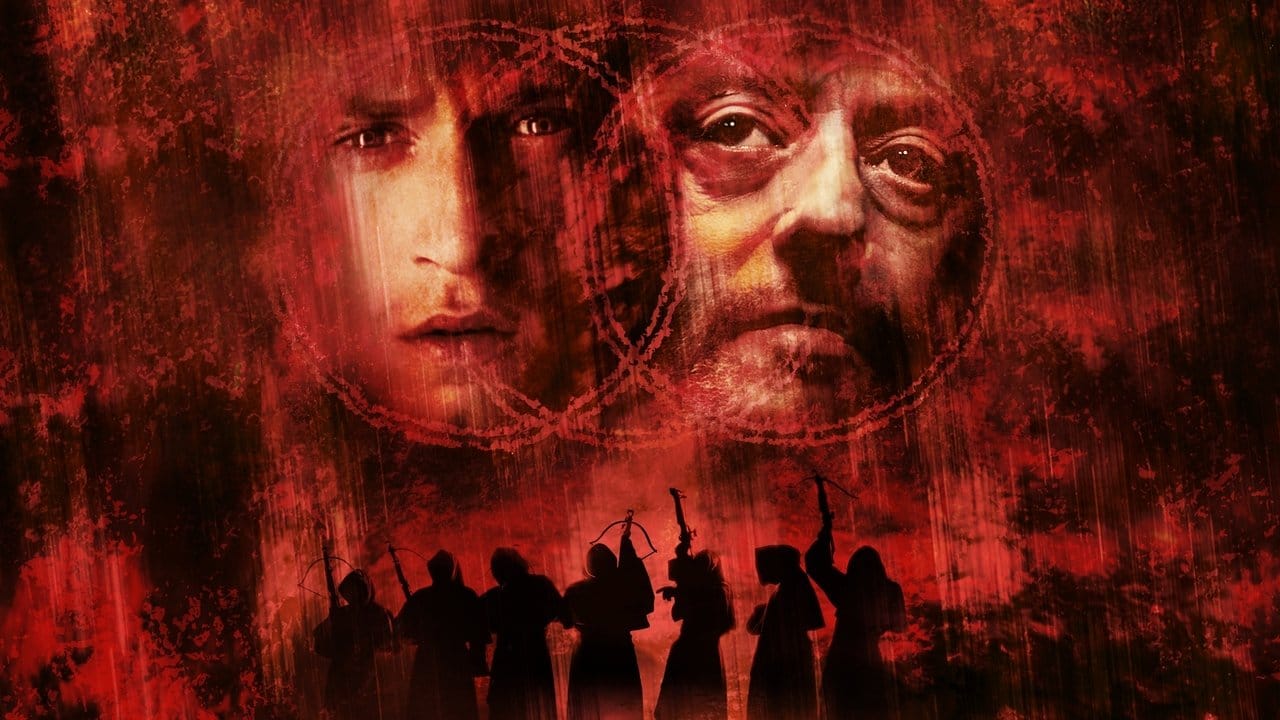
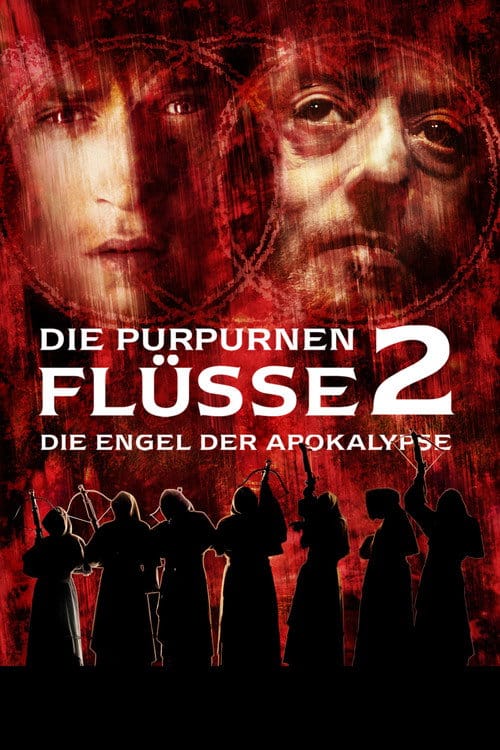
In dem Kloster Lothaire fließt Blut aus einer Wand, als Mönche dort ein Kreuz befestigen wollen. Kommissar Niemans wird an den Ort des Geschehens gerufen. Er stößt schnell auf den Grund des sonderbaren Vorfalls: Hinter der Wand wurde ein Mann noch bei lebendigem Leib eingemauert. Parallel zu Niemans Fall ermittelt sein ehemaliger Polizeischüler Reda an einem ähnlichen Ritualmord. Als die Spuren die beiden Polizisten zusammenführen, gehen sie die Sache gemeinsam an. Eine zwölfköpfige Apostel-Gruppe um einen Mann namens Jesus wird systematisch einer nach dem anderen von Männern in dunklen Mönchskutten dahingemetzelt...
Hauptdarsteller









Die purpurnen Flüsse Filmreihe
Mehr wie das

Frank and Penelope
2022·7.4

Night Train
2023·5.9

John Doe: Vigilante
2014·6.4

Carne - Fleisch
1991·6.8
Public Enemy No. 1 - Todestrieb
2008·7.3

Azrael - Angel of Death
2024·5.9

Savaged
2014·6.6
Dear Mr. Gacy
2010·5.9

Wanted
2008·6.5

White Elephant - Der Mafia-Kodex
2022·5.8
Sie nannten ihn Stone
1974·6.0

Der Protector
1985·6.0
Communauté
6.3
Note Trakt
773 votes
10
37
9
14
8
113
7
177
6
244
5
95
4
55
3
17
2
12
1
9
2.9KSpectateurs
31.1KCollectés
1.0KListes
Avis de la communauté (5)
R
RedRudolfVIP★5/10Jul 4, 2026
The original's forensic precision is replaced here by religious-conspiracy excess — the sequel abandons what made Mathieu Kassovitz's detective framework compelling. Castel replaces Cassel with diminishing returns.
S
senbaldorVIPCritique★6/10Jun 7, 2026
# Historical and Social Context - Influences - Jean-Christophe Grangé's novelistic style - The Da Vinci Code 'conspiracy-thriller' wave - Reception - Polarizing due to stylistic divergence from the first film, commercial success in Europe # Themes and Symbolism - The Apocalypse - Interpretation of biblical Revelation as a modern terror threat - Nazism/Occultism - Historical link between Third Reich mysticism and ancient religious power - Duality - The 'Crimson Rivers' motif symbolizing the bloodline of conflict # Cinematography and Style - Visual Style - High-contrast lighting, desaturated cold tones, kinetic camerawork - Composition - Gothic architecture, claustrophobic convent interiors, expansive landscapes # Narrative Structure - Core Conflicts - Police procedural vs. Occult mysticism - The hunt for the 'Jesus' figures - Style - Fast-paced, editing-heavy, linear narrative with historical flashbacks - Plot Progression - Ritual murders -> Historical investigation -> Convent infiltration -> Climactic chase # Character Analysis - Pierre Niemans - Cynical, veteran, burdened by past trauma, authoritative - Reda - Impulsive, intuitive, street-smart, foil to Niemans' rigidity - Marie - Mysterious, historical researcher, catalyst for plot exposition # Summary Insights - Unlike the cerebral psychological thriller of the first film, the sequel shifts heavily into the realm of 'supernatural action,' trading atmosphere for spectacle. - The film utilizes the 'Nazi occultism' trope as a bridge between historical guilt and modern genre excitement. - The dynamic between Niemans and Reda creates a classic 'buddy cop' tension that aims to humanize the often stoic and brooding lead character. - The reliance on apocalyptic iconography serves as a vessel for complex set pieces rather than a deep exploration of theological horror. - The film reflects a mid-2000s European attempt to emulate Hollywood blockbuster pacing while maintaining a distinctly French stylistic identity in its aesthetic choices.
S
siggi963★6/10Oct 25, 2024
Not at eye-level with the fist movie, but still Pk to watch.
B
Brokolee★6/10Dec 5, 2022
Not as good as the first Movie, but still good enough to watch
S
Spiritualized Kaos★6/10Oct 16, 2017
On this occasion, a religious case.
Kritiken