Laden...
6.7·1959·134 min·English·Regie Stanley Kramer
Science FictionDramaLiebesfilm
Handlung
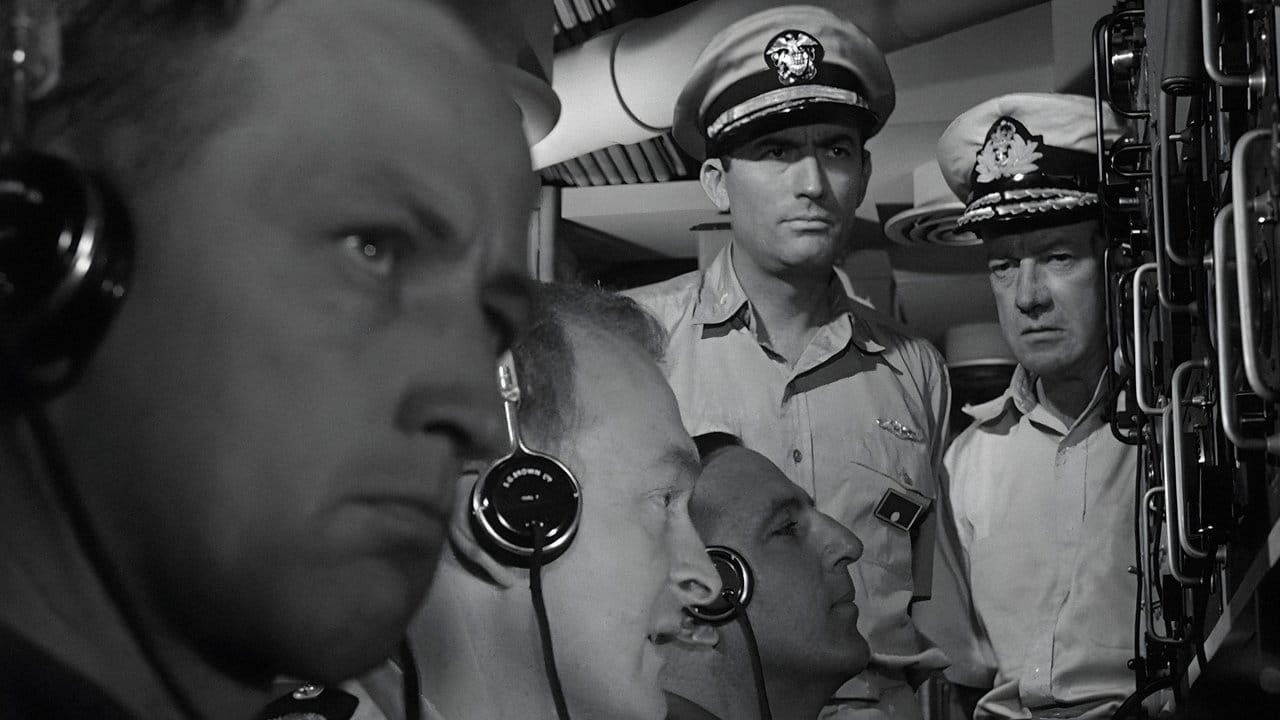
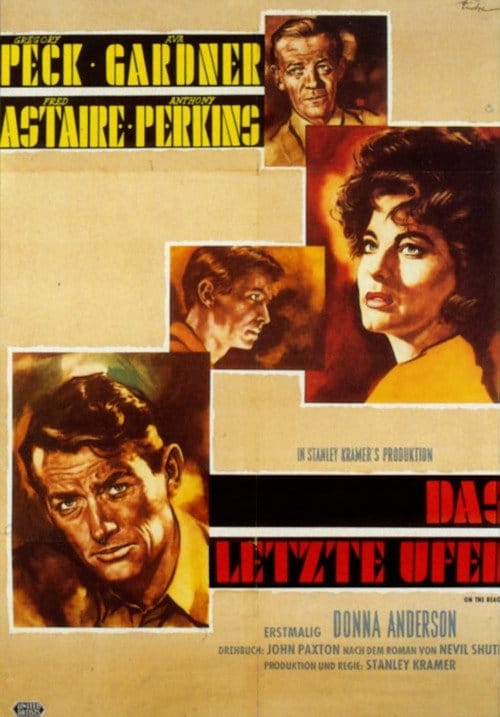
Der Krieg ist aus, niemand hat gesiegt. Nur die Einwohner Australiens und die Besatzung des amerikanischen U-Boots „Sawfish“ sind der atomaren Zerstörung und der Verstrahlung der Erde bisher entronnen. Doch die radioaktive Wolke rückt näher, und Captain Dwight Towers bricht mit der „Sawfish“ auf, um sie zu erkunden. Doch seine Nachrichten sind niederschmetternd: Die Strahlenwolke ist absolut tödlich. Und während die Zeit verrinnt, versucht jeder auf seine Weise mit dem nahen Ende fertig zu werden. Der Eine will noch rasch seinen Lebenstraum als Rennfahrer verwirklichen, die Andere versucht, der Liebe noch einmal eine Chance zu geben. Das letzte Kapitel der Menschheitsgeschichte ist angebrochen.
Hauptdarsteller










Mehr wie das
USS Charleston - Die letzte Hoffnung der Menschheit
2000·6.2
Das letzte Testament
1983·6.4
Frequencies
2013·6.5

Colors of Love - Ein Hotel zum Verlieben
2021·7.1
Hüter der Erinnerung - The Giver
2014·6.6
Fahrenheit 451
1966·7.1
Der seltsame Fall des Benjamin Button
2008·7.6

The Secret - Traue dich zu träumen
2020·7.3
The Day After - Der Tag danach
1983·6.8
Stowaway
2021·6.0
Der Marsianer - Rettet Mark Watney
2015·7.7
Moon
2009·7.6
Communauté
7.0
Note Trakt
349 votes
10
41
9
15
8
66
7
116
6
61
5
17
4
15
3
7
2
2
1
8
954Spectateurs
17.0KCollectés
1.3KListes
Avis de la communauté (3)
D
demeter★7/10Feb 25, 2021
Is it just me, or did they add that line about people being on Mars that wasn't in the book?
L
ltcomdataCritique★8/10Aug 19, 2020
D
drqshadowCritique★7/10Feb 3, 2020
A coastal Australian population (and the US submarine coincidentally docked nearby) awaits the inevitable, weeks after the rest of the world was wiped out by a wave of nuclear-powered, mutually-assured destruction. There's an eerie sense of normalcy to the landscape, by far the film's greatest, most thought-provoking strength. The worker bees all go through their usual motions, as if a great big wall of radioactivity weren't looming off the coast, slowly creeping in to poison them all. It's enough to pull us out of the moment and consider how we might react in such a situation ourselves: when there's nothing to be done, isn't it better to ignore the inevitable, living out the rest of our days in a willfully-ignorant sense of unsteady bliss? Of course, there eventually comes a moment when such questions can't be dodged any longer, and the cast makes some bold, powerful decisions in the face of a long, grueling death by airborne toxin. Those uncomfortable choices, and the ethical quandaries that precede them, form a stiff backbone for the film. The slow, dry pacing of its superficial plot can be difficult to work through, though, and ultimately that's what keeps it from reaching its loftiest ambitions. As with many sci-fi commentaries of the era, you'll have to do a lot of reading between the lines to make the most of this one. It's smarter, but also far less accessible, than most of its modern counterparts.
Kritiken