Laden...
7.6·1945·96 min·English·Regie Billy Wilder
Die Leinwand wagt es, sich für einen schockierenden Bestseller zu öffnen!
Drama
Handlung
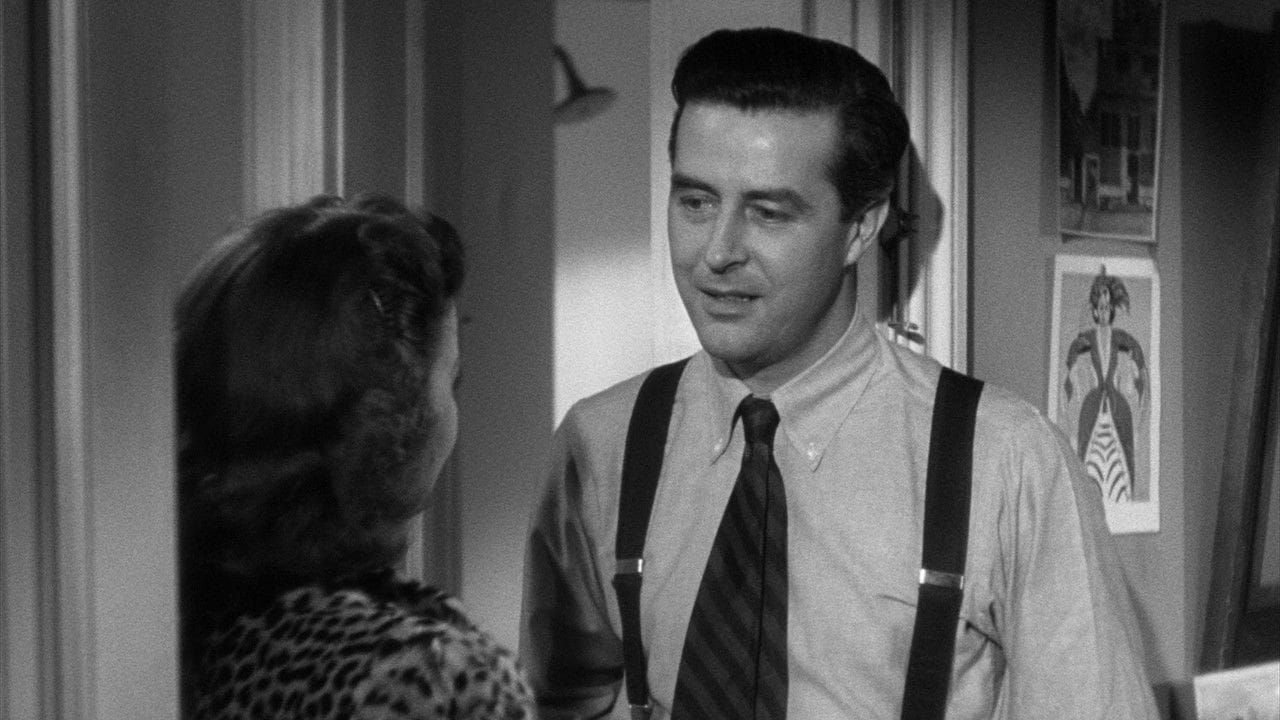
Der alkoholkranke Schriftsteller Don Birnam teilt sein Appartment in New York mit seinem Bruder, der alle Hände voll damit zu tun hat, das Alkoholproblem seines Bruders in den Griff zu bekommen. Als Don eines Nachts einmal nicht unter Beobachtung steht, kauft er sich ein Paar Flaschen Alkohol in einer Bar und betrinkt sich zuhause. Als er nächsten Morgen erneut dort auftaucht, behauptet der Besitzer, Don habe dessen Freundin misshandelt und bedroht ihn. Ohne Erinnerung, und von Selbstzweifeln geplant, flüchtet Don in die nächste Bar…
Hauptdarsteller
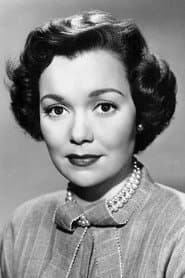
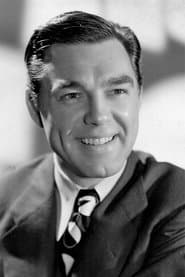
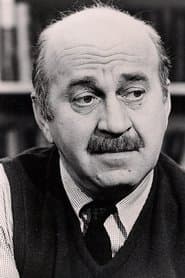
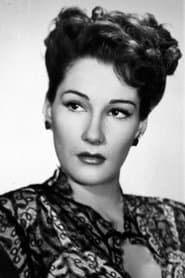
Mehr wie das
Mank
2020·6.7
Der Scharlatan
1947·7.2
Insomnia - Schlaflos
2002·7.0
Kleine Dinge wie diese
2024·6.7
Back to Black
2024·6.7
Tetro
2009·6.8
Unbroken: Weg der Vergebung
2018·6.7
Die Nacht des Jägers
1955·7.9

Out of Play: Der Weg zurück
2020·6.6
Springsteen: Deliver Me from Nowhere
2025·6.7

Gottes Werk & Teufels Beitrag
1999·7.1
Wonderstruck
2017·6.1
Communauté
7.5
Note Trakt
684 votes
10
60
9
85
8
217
7
203
6
68
5
26
4
7
3
5
2
7
1
5
1.6KSpectateurs
31.7KCollectés
3.8KListes
Avis de la communauté (6)
N
nmahoney416★7/10Feb 6, 2019
A powerful look on Alcoholism. This holds up really well and is still relevant to today. Ray Milland is great.
♥1
S
soonertboneVIP★7/10Dec 17, 2023
Not the type of movie that tends to age well, but this one surprised. The depiction of alcoholism feels a little ahead of its time (the hallucination sequence is terrifying) and has some genuinely affecting moments (none more memorable than the condensation rings on the bar top.) Loved the supporting performances from Howard da Silva as the bartender with a heart, Doris Dowling as the prostitute, and Frank Faylen as the creeply "Bim" on the alcohol ward.
A
alexlimberg★4/10Sep 25, 2021
Alright. We get it. Alcohol is bad. And other stories about drinking genius writers you might have heard are not true. There are better movies about alcohol / drug abuse. This approach isn't very entertaining, not very educative, not very credible and not very convincing. Maybe this movie was great when it was released but it doesn't stand the test of time. Plus, it's too long and those narrative flashbacks don't seem to be very clever. The most remarkable thing is the guy in the bathroom He's the only black guy in an all-white Manhattan I believe. His job is apparently to wipe off the suits of his clients with some sort of straw brush. That picture is kind of disturbing.
D
drqshadowCritique★6/10Jan 29, 2020
An Oscar-studded warning film that was, no doubt, far more potent seventy years ago. In addition to three other wins (including Best Picture), leading man Ray Milland took the gold for his central performance as a desperate, cash-strapped, bridge-burning alcoholic at the end of his rope following yet another ill-fated flirtation with sobriety. Milland portrays an effective lush, both charismatic and conniving, a man who's almost able to conceal his inner demons from the public. Almost. And the depths he's willing to plunge for one last taste of whiskey make it easy to comprehend his immediate family's desire to wash their hands of the errant son. The whole affair is often blunt and hammy in presentation, though; maybe not as excessive and misleading as its contemporary, Reefer Madness, but certainly not far from the ballpark. There's an odd sense of the aloof at play here, dredging the depths in search of new lows without bothering to dig any deeper into the sickness at the heart of all the troubles. Its jarring happy ending smacks of insincerity, too, and needlessly undermines the tale's moral base. Not as bad as I seem to be letting on, especially considering the well-connected alcohol industry's vehement opposition to its subject matter, but a curious award-winner all the same. It's good at times, but never great.
J
juliosoft★8/10Nov 23, 2019
Just as hard as Days of wine and roses, the Oscar for the film, actor, direction and script very deserved. When I see or Jane Wyman I always remember her role as Angela Channing in Falcon Crest
Kritiken