Laden...
7.4·2015·85 min·English·Regie Gabe Polsky
Legenden auf dem Eis
DokumentarfilmHistorie
Handlung
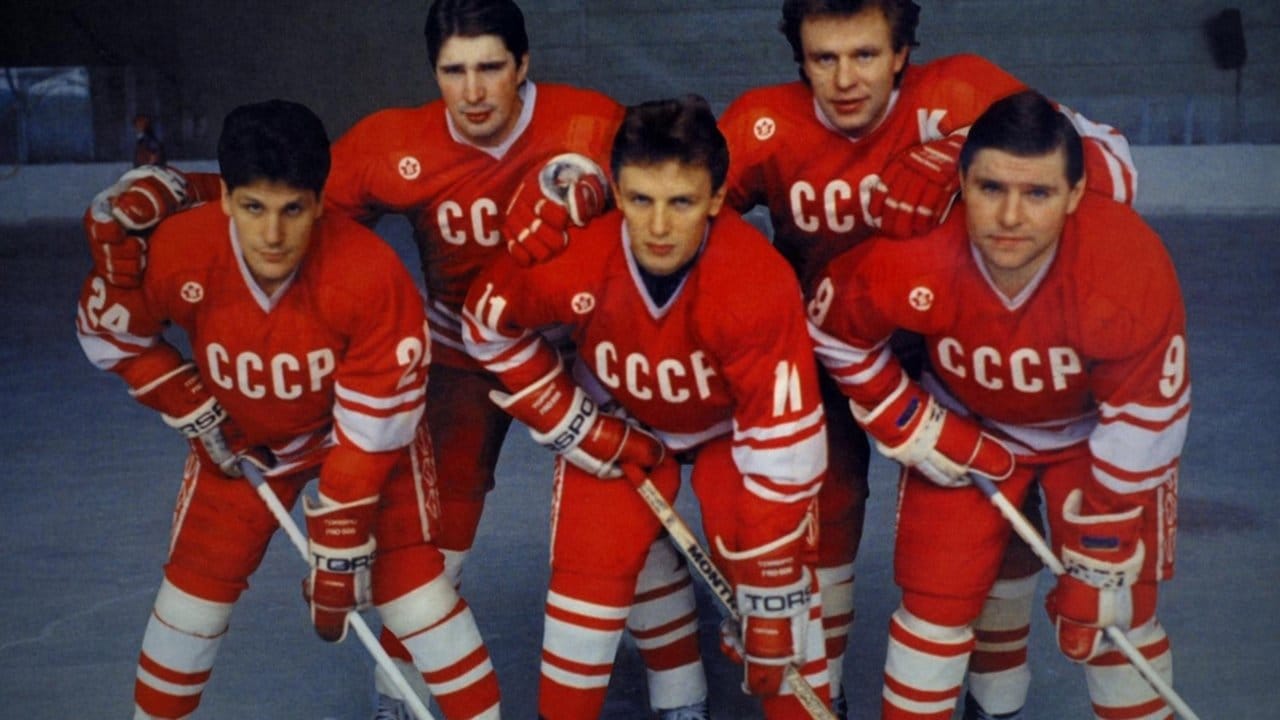
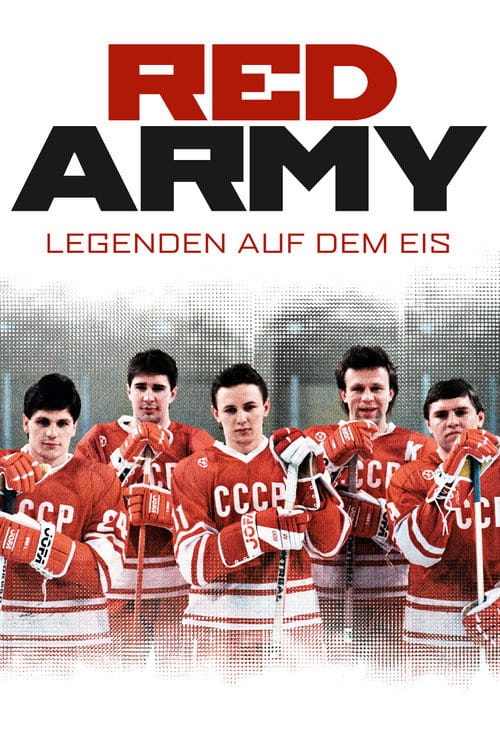
Zur Zeit des Kalten Krieges war die "Red Army", das Eishockey-Team der Sowjetunion, das weltbeste. Auf Sieg gedrillt und nur als Kollektiv erfolgreich, trug es die sozialistische Idee auch im Sport nach außen. Nach der Auflösung der UdSSR war der Trainer der Mannschaft, Slava Fetisov, einer der ersten, die von amerikanischen Vereinen abgeworben wurden, mit dem Versprechen auf ein Leben in Wohlstand. Doch die Realität war ernüchternd, denn die sowjetische Strategie scheiterte in den USA
Hauptdarsteller

Wjatscheslaw Fetissow
Himself
Vladimir Pozner
Himself
Vladimir Krutov
Himself
Alex Kasatonov
Himself

Владислав Третьяк
Himself
Felix Nechepore
Himself
Tatiana Tarasova
Herself

Scotty Bowman
Himself

Herb Brooks
Self - US Olympic Coach (archive footage) (voice)
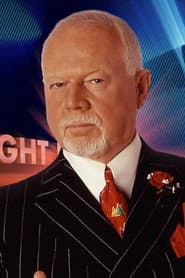
Don Cherry
Self - Hockey Commentator (archive footage) (voice)
Mehr wie das




Communauté
7.5
Note Trakt
276 votes
10
27
9
37
8
92
7
70
6
29
5
11
4
2
3
2
1
1
6
716Spectateurs
28.7KCollectés
1.2KListes
Avis de la communauté (3)
F
FinFan★8/10Sep 5, 2015
I´m not sure if I would categorize this is as a hockey/sport documentation or if it´s a political documentary. In case of the former Soviet Union the lines between both topics were always very faint. This film is more about how the athletes were pressured and used by their government. It´s about how sports was only a means to deliver the Soviet doctrine. It is really interesting and although I´m a decade long hockey fan I learned some things from this. There is a lot of interesting original footage but if you are looking for game highlights this is the wrong film. But, wether you´re a hockey fan or more interested in the political side, this is worth viewing.
Z
zonkeeCritique★9/10May 23, 2015
Just finished watching it, and for anyone wondering who already watched Of Miracles and Men (http://trakt.tv/movies/of-miracles-and-men): The first third of this documentary feels very rushed, mainly because it covers almost everything already that was handled in the OMaM documentary, but with way less detail, especially regarding Tarasov and his coaching style/relationships. After the first third the documentary slows down a little when they go a little bit into more detail of Tikhinov's style. After about half the time I felt like the new stuff kept coming, which I wasn't too familiar with yet from the OMaM documentary. The last third is heavily focused on the defection and the time in the NHL, which was not at all covered in the OMaM movie. So at the beginning I was a bit bored because I knew most of it to a greater detail than depicted in the documentary and some scenes were re-used 1:1, but after about half of the movie a lot of new stuff was shown, which I didn't see before. Overall, this one feels a little bit more superficial, but on the other hand it covers a longer time span and parts which aren't even touched in the OMaM documentary, so it's still worth a watch!
P
ptknightSep 19, 2014
Can't find this anywhere. No release dates in Europe, no Netflix, no Amazon, nothing
Kritiken